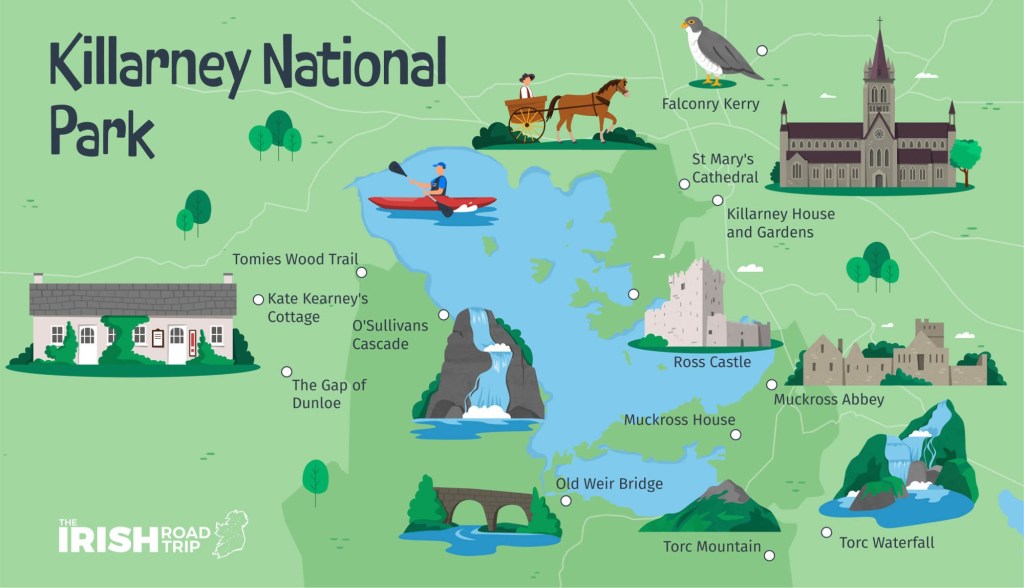
Killarney National Park is the second largest in Ireland, after Wicklow in the east near Dublin, and is about 1/6th the size of Killarney Provincial Park in Ontario. We spent our day on the way to Dingle exploring a few more spots in the park that we were unable to see earlier, including the grounds around Muckross house and abbey, Ross Castle and the Torc waterfall.
The day started with breakfast in Portmagee, and by the time we’d finished and headed out, my upper lip was tingling and had started to swell. I have no known food allergies,but my first thought was that I was reacting to something I’d eaten. Strange Irish seeds in my breakfast granola perhaps? Had I developed an allergy to vegetables triggered by the spinach in my omelet after a relatively veggie free vacation to date?
By the time I boarded the bus, my lip looked like I’d had a botched Botox procedure. I popped a couple of Benadryl tablets of indeterminate age with little effect.
It took until lunch hour for me to figure out that I must have wiped my hand against my mouth after applying a topical steroid to a patch of psoriasis (the life of a red-head). I spent the day looking like a Mick Jagger impersonator, but knowing that I wasn’t having a Gaelic anaphylactic reaction was a relief.
Back to Killarney! We had a lovely drive from Portmagee up into Killlarney town and to the Muckross estate. Muckross house itself was an 18th century folly built by the Herbert family who wanted to impress Queen Victoria with the grandeur of the property to hopefully obtain a noble title.
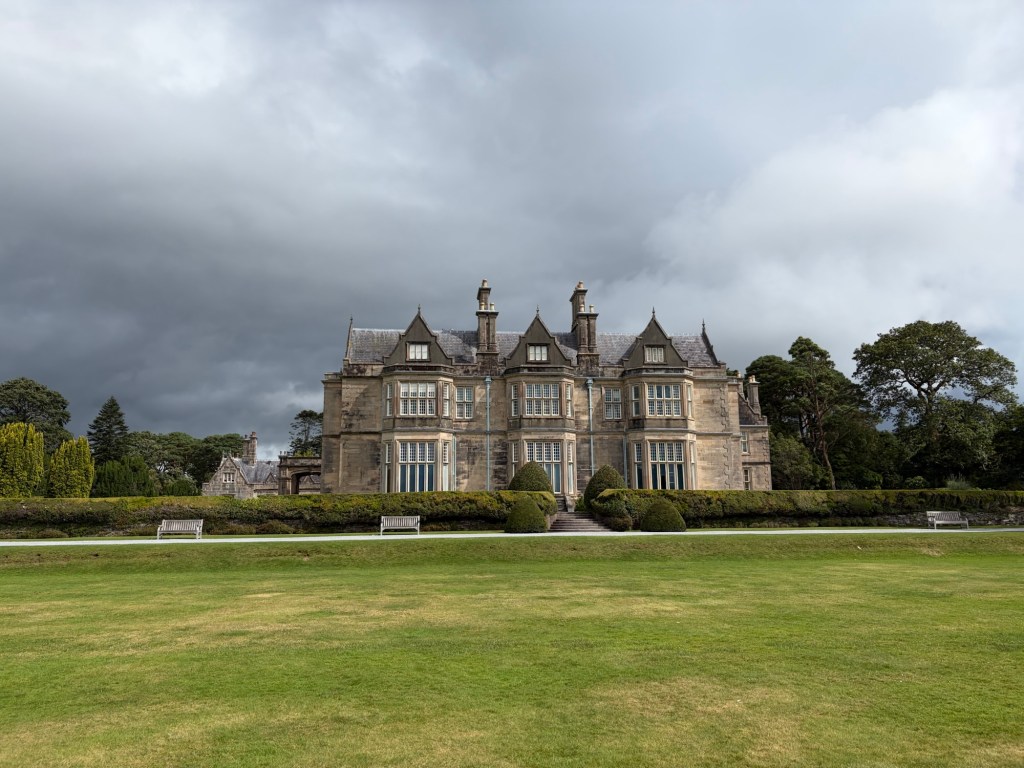
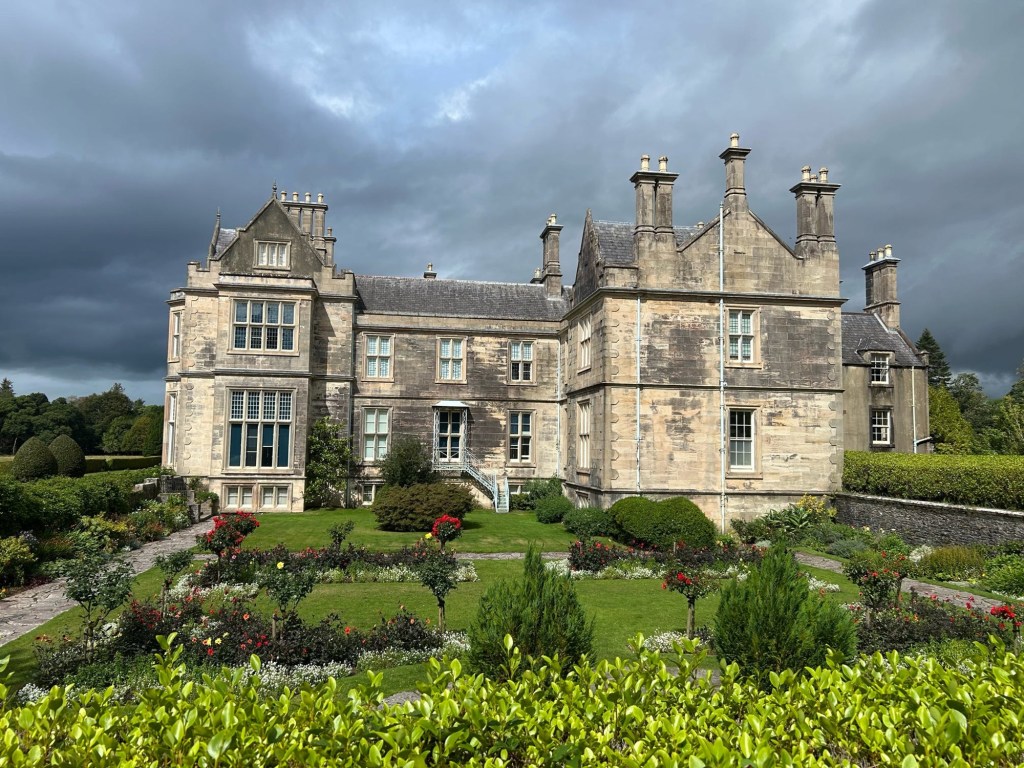
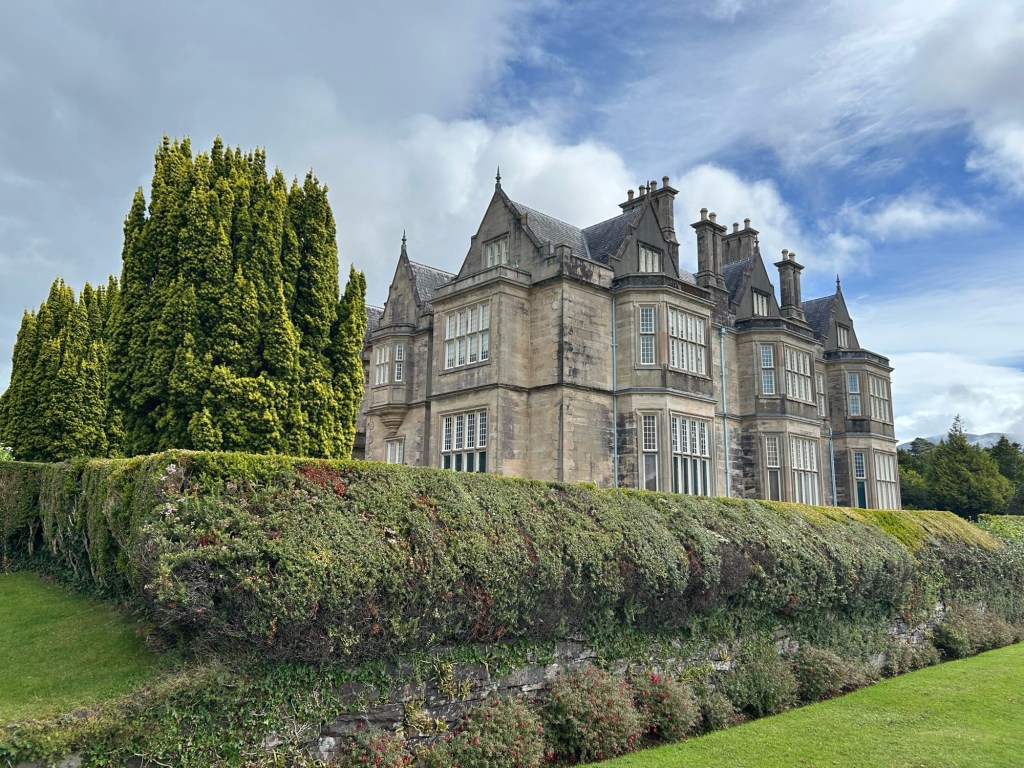
Not only did their efforts fail, it bankrupted the family. The estate was owned by few successive families before eventually being given to the Irish state where it forms the historical heart of Killarney National Park.
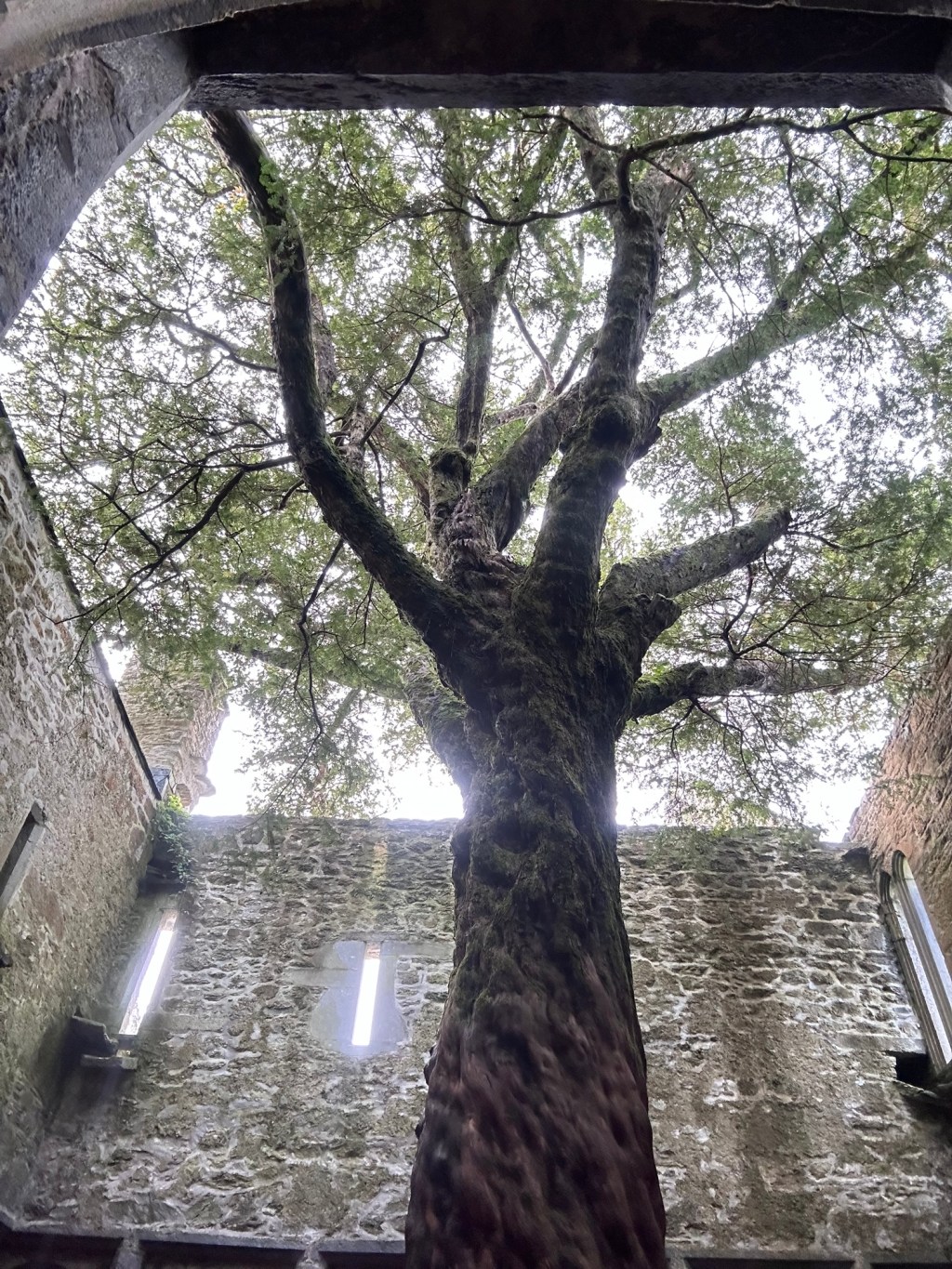
One of the most interesting sites to explore is Muckross Abbey, a former Franciscan friary that was attacked and plundered during Oliver Cromwell’s campaign against Catholic Ireland in the 1600’s. The ruins are hauntingly beautiful, particularly the ancient yew tree (over 600 years old) that has grown up in the interior courtyard. Yew trees have great spiritual significance in Ireland and you can apparently find them in most cemeteries.
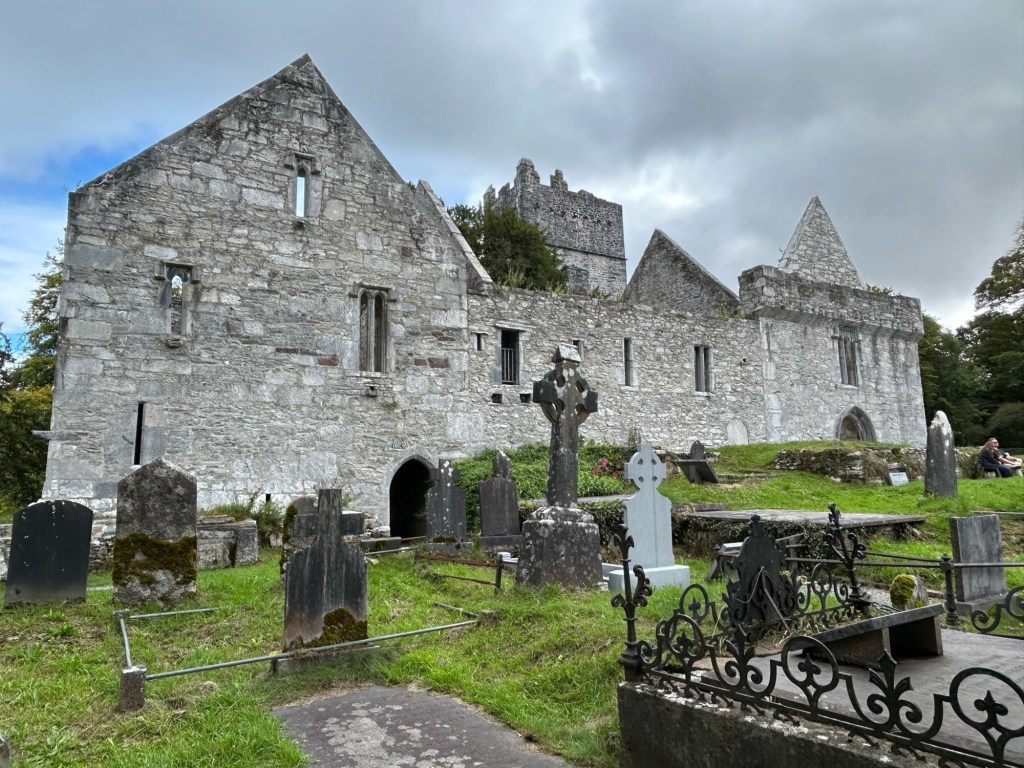
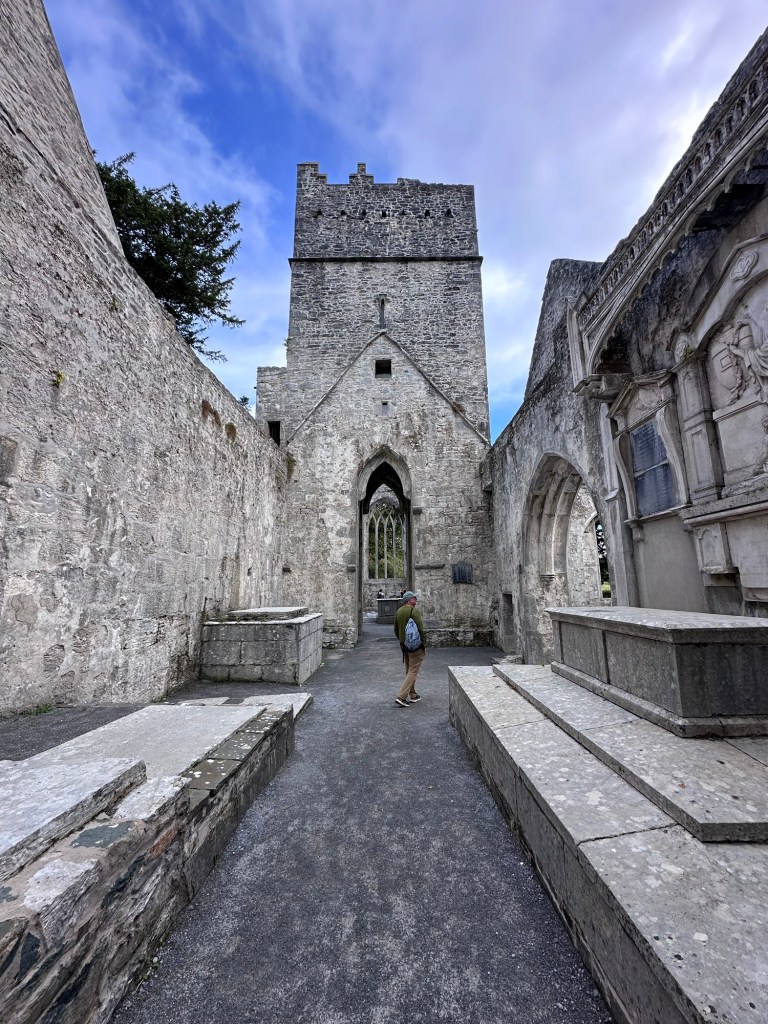
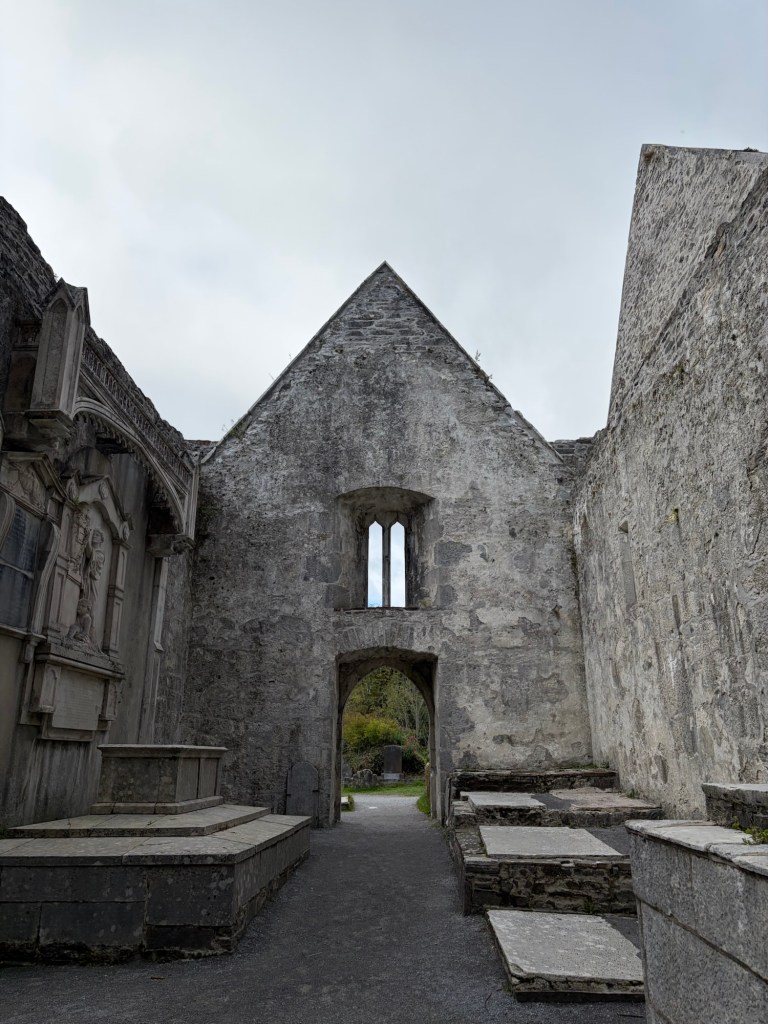
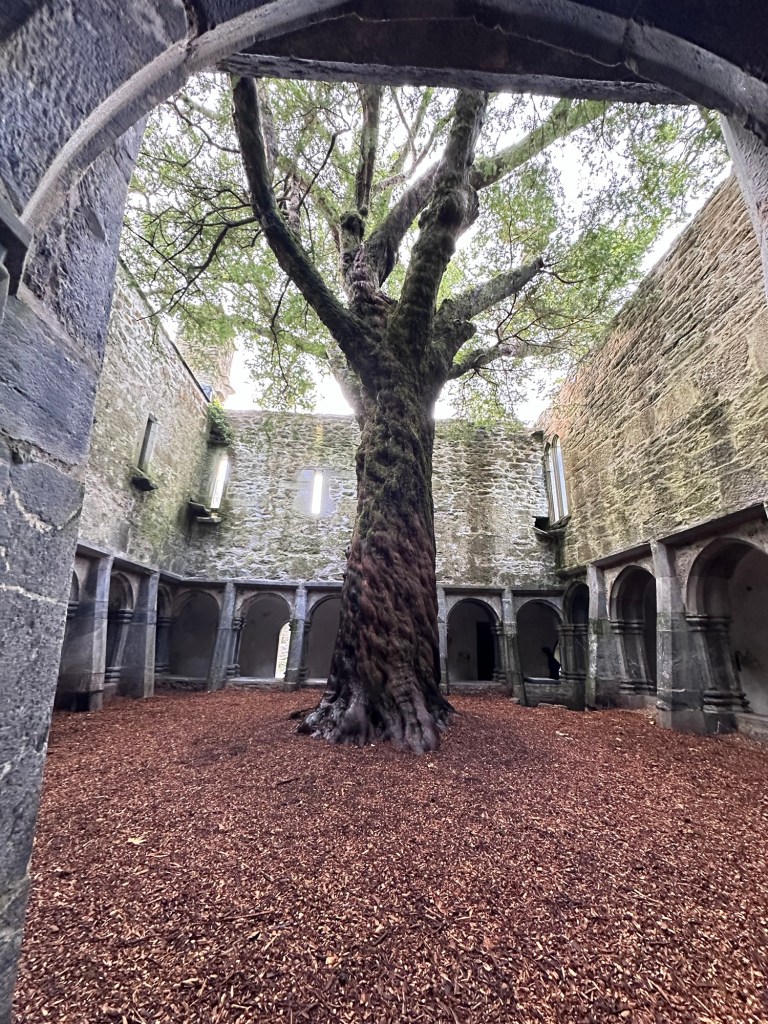
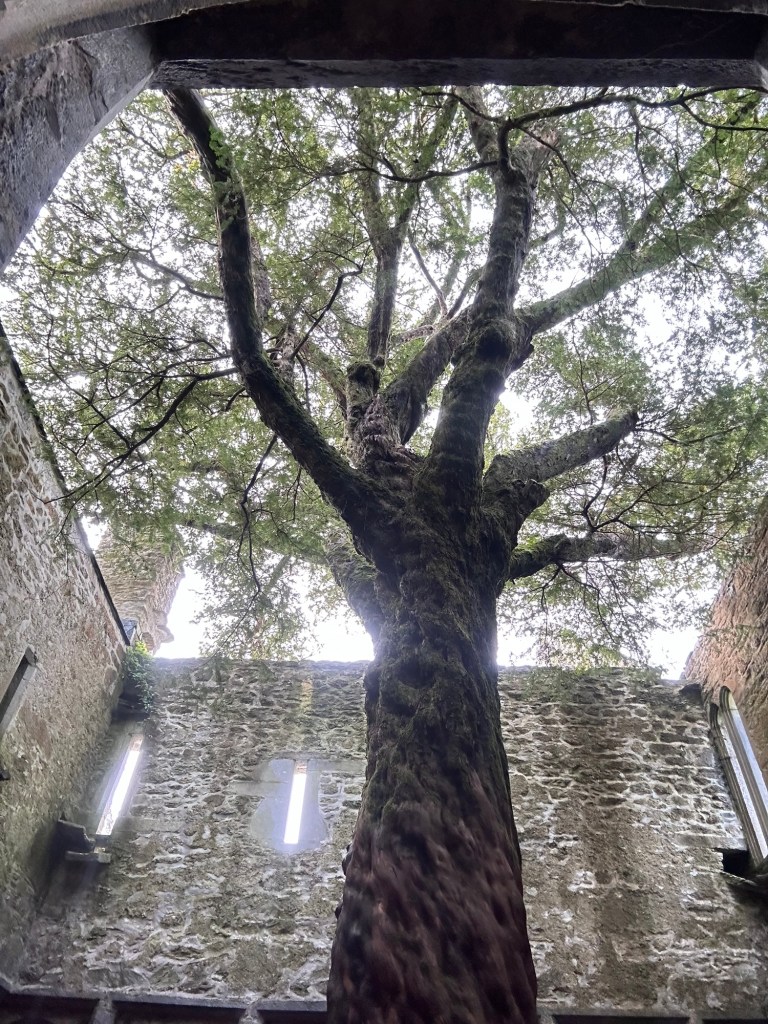
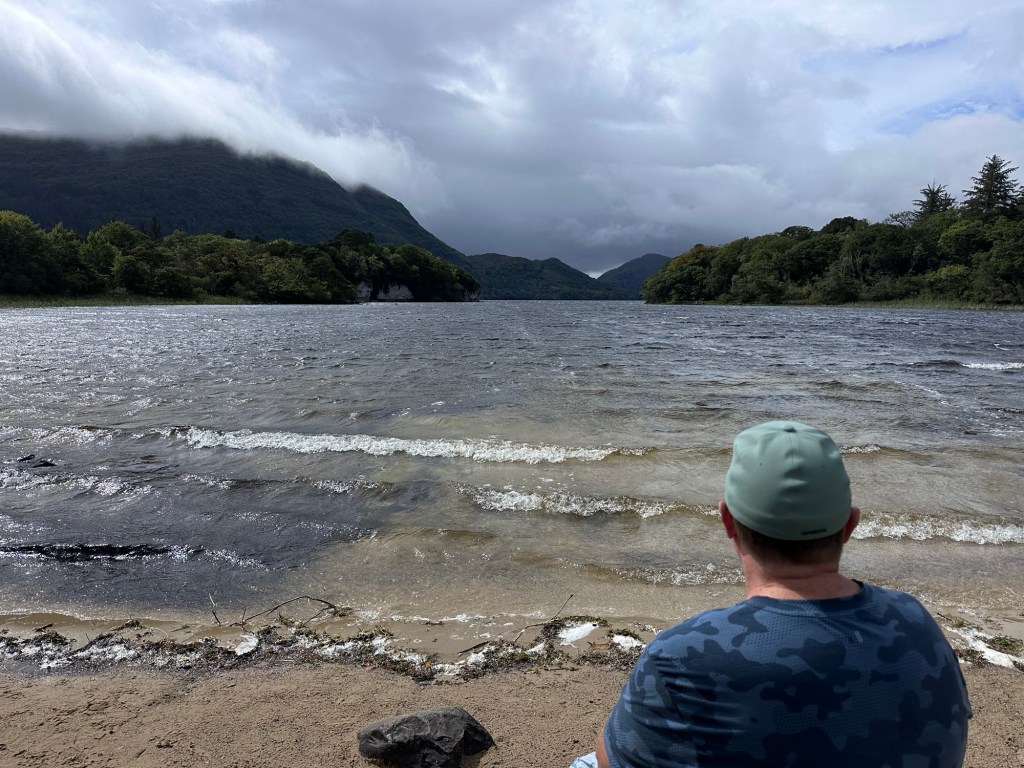
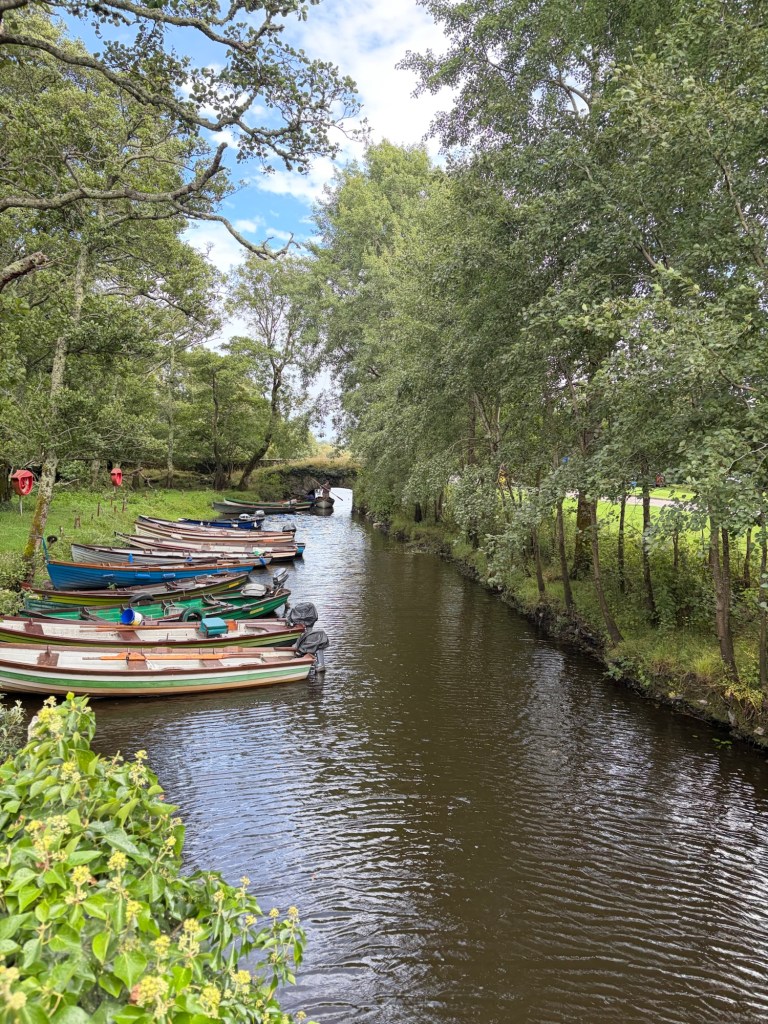
We also enjoyed tramping around the various paths and trails that run through the estate, and appreciating the views out onto Muckross lake and Lough Leane.
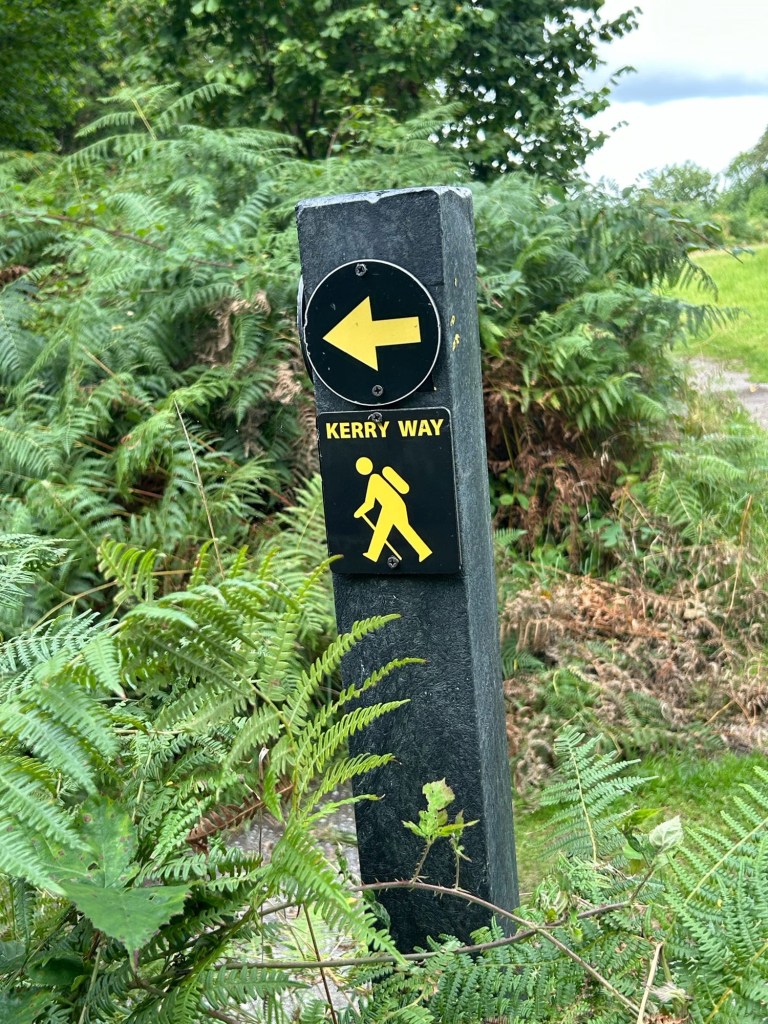
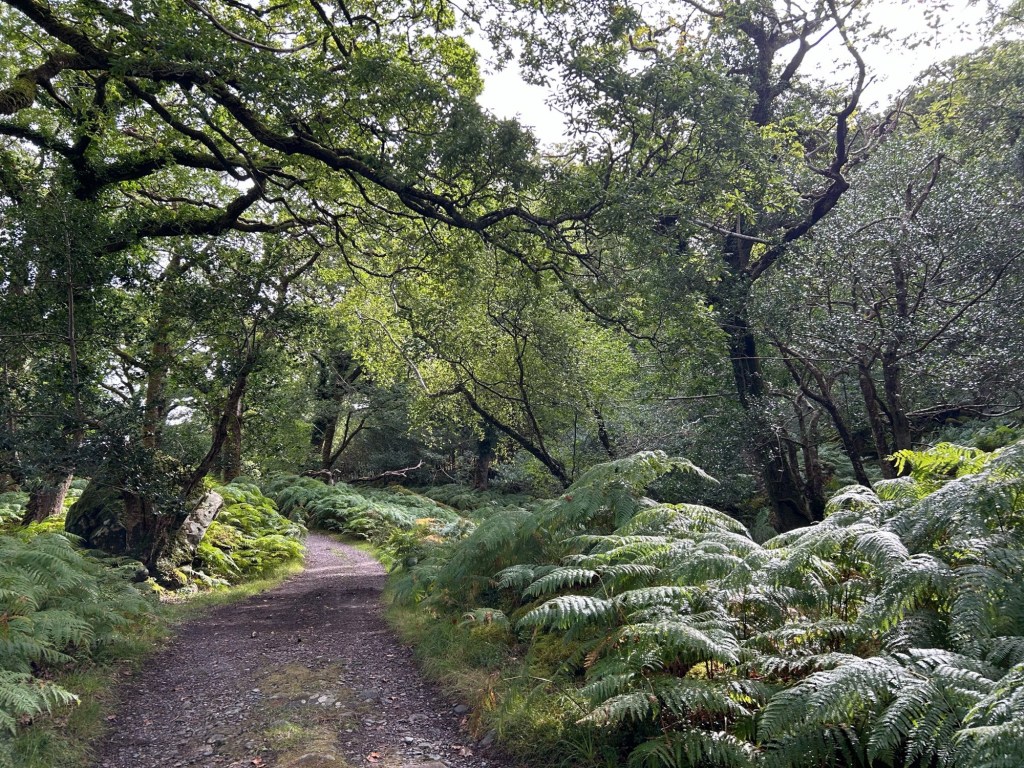
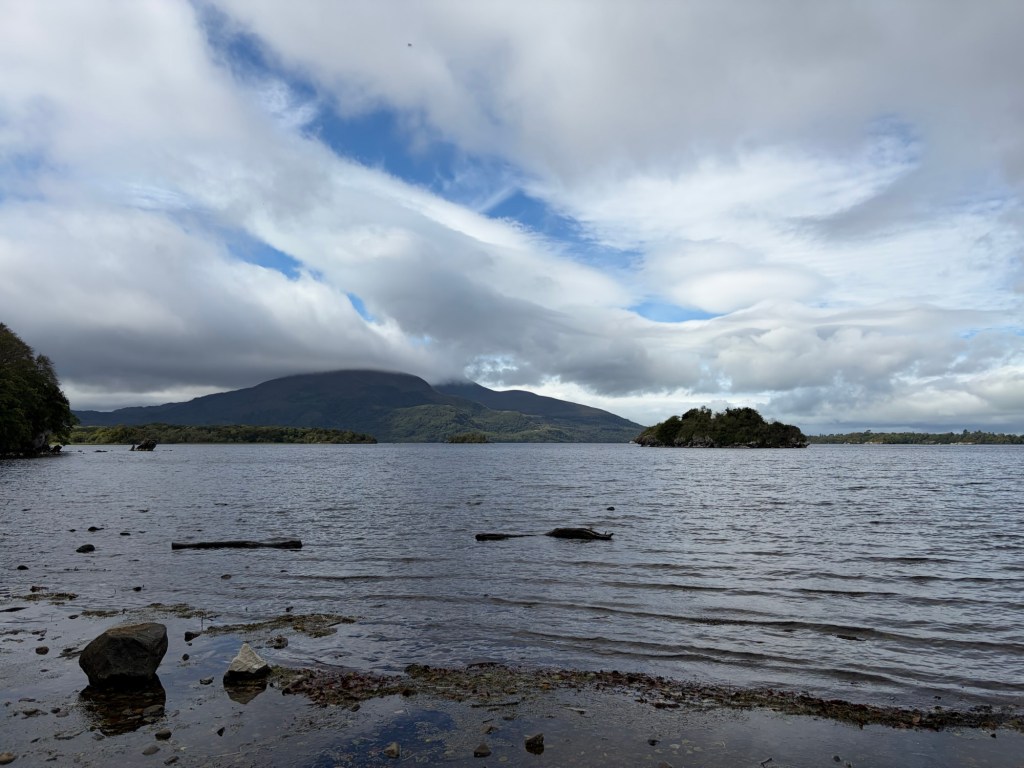
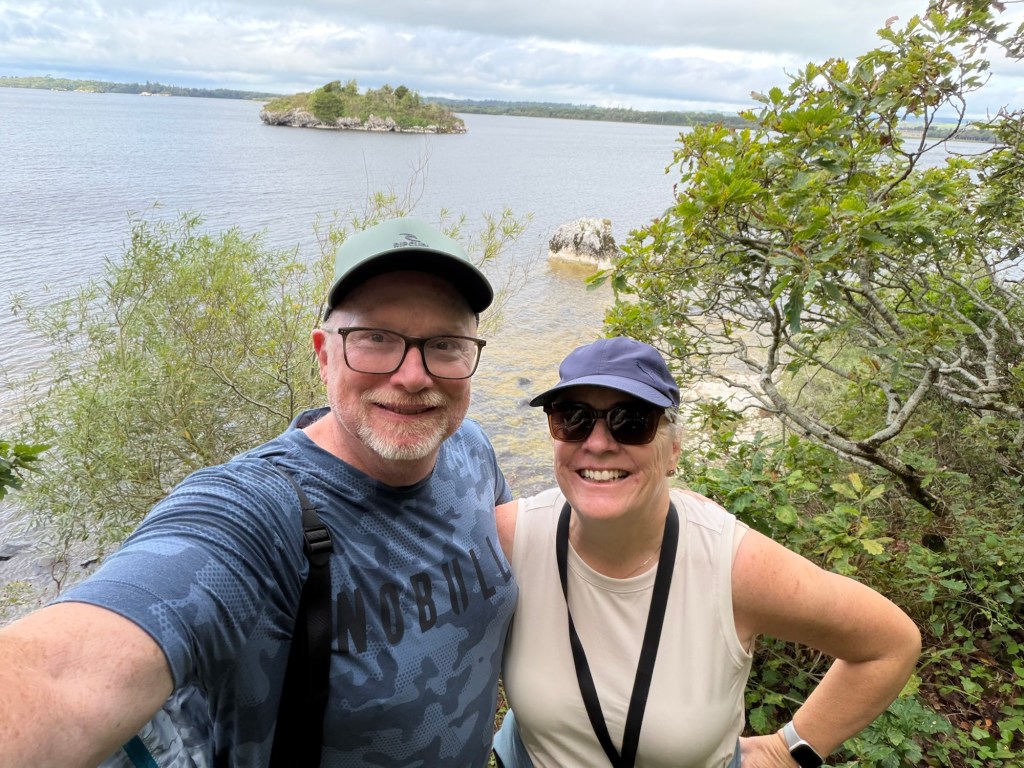
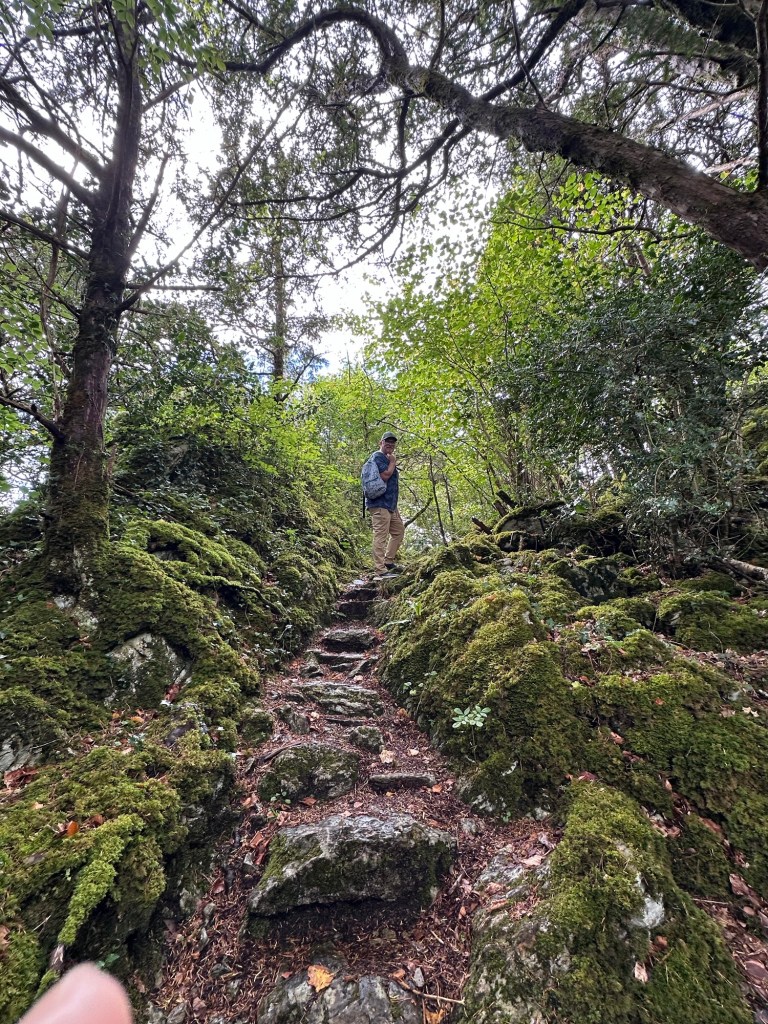
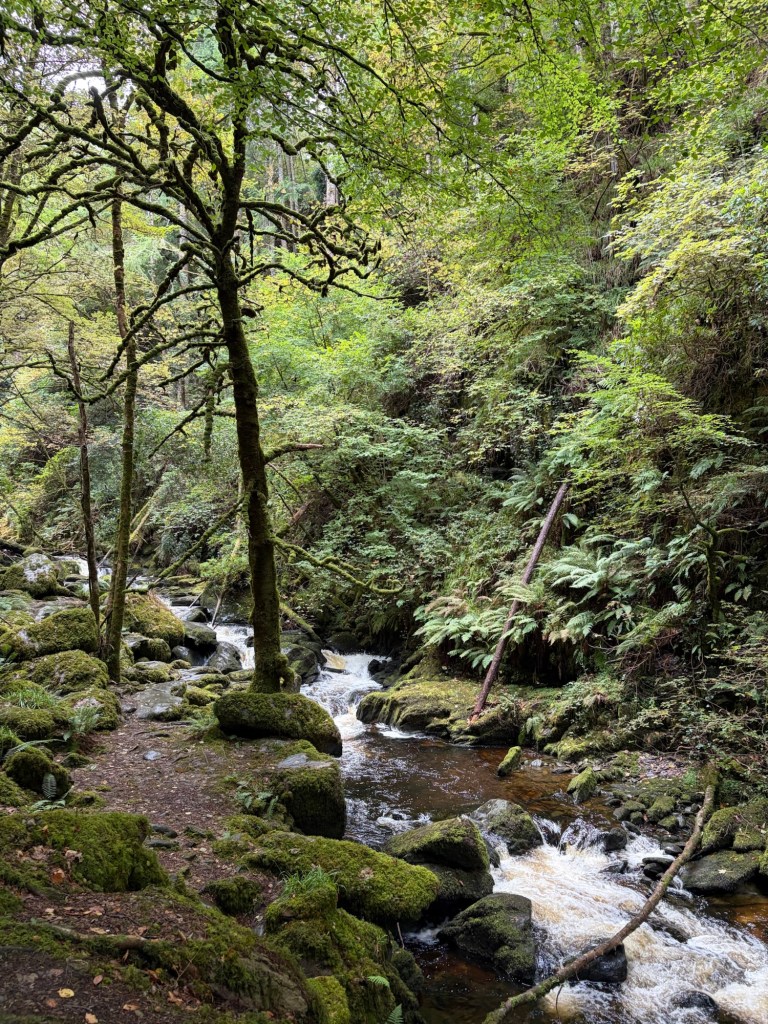
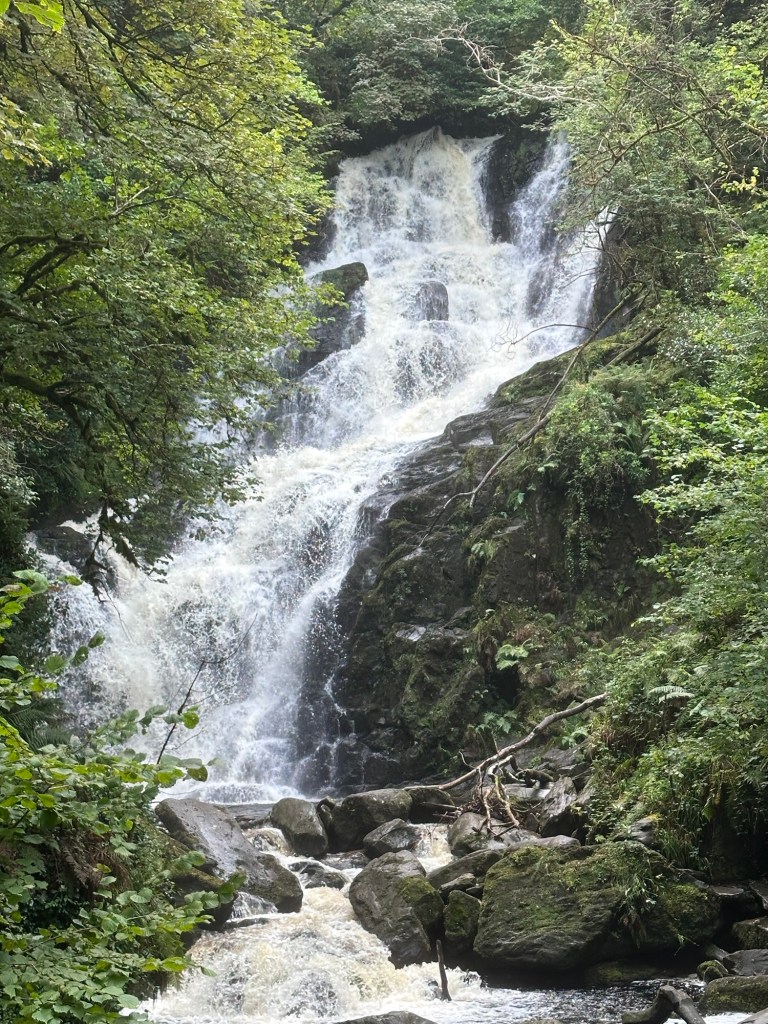
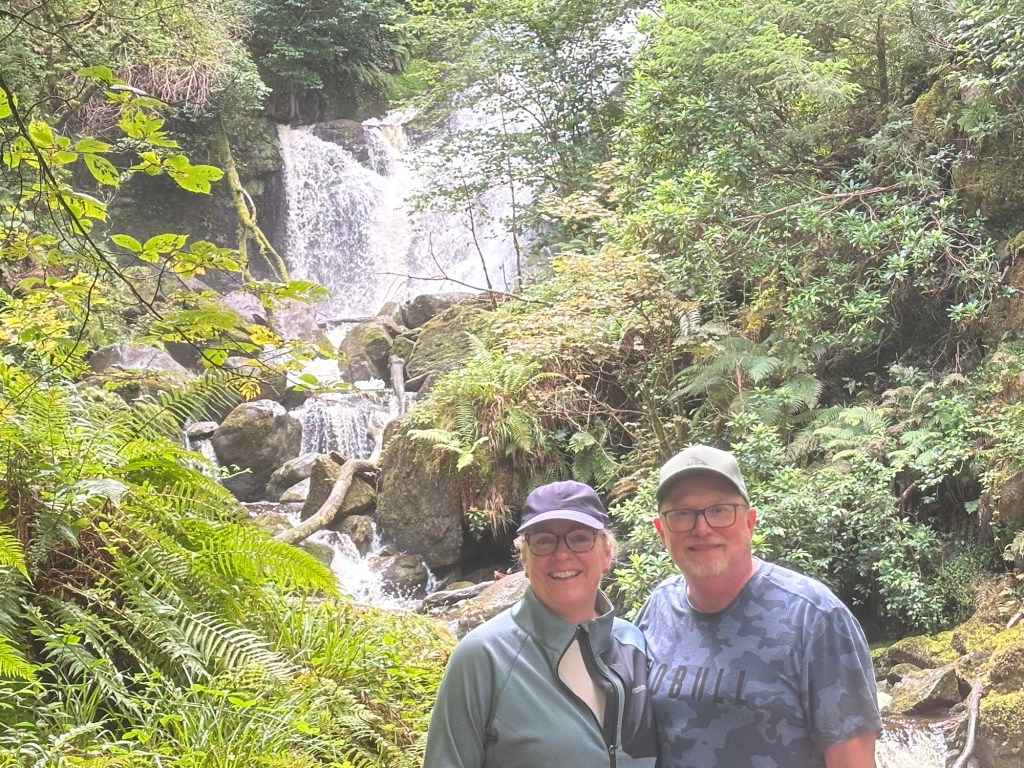
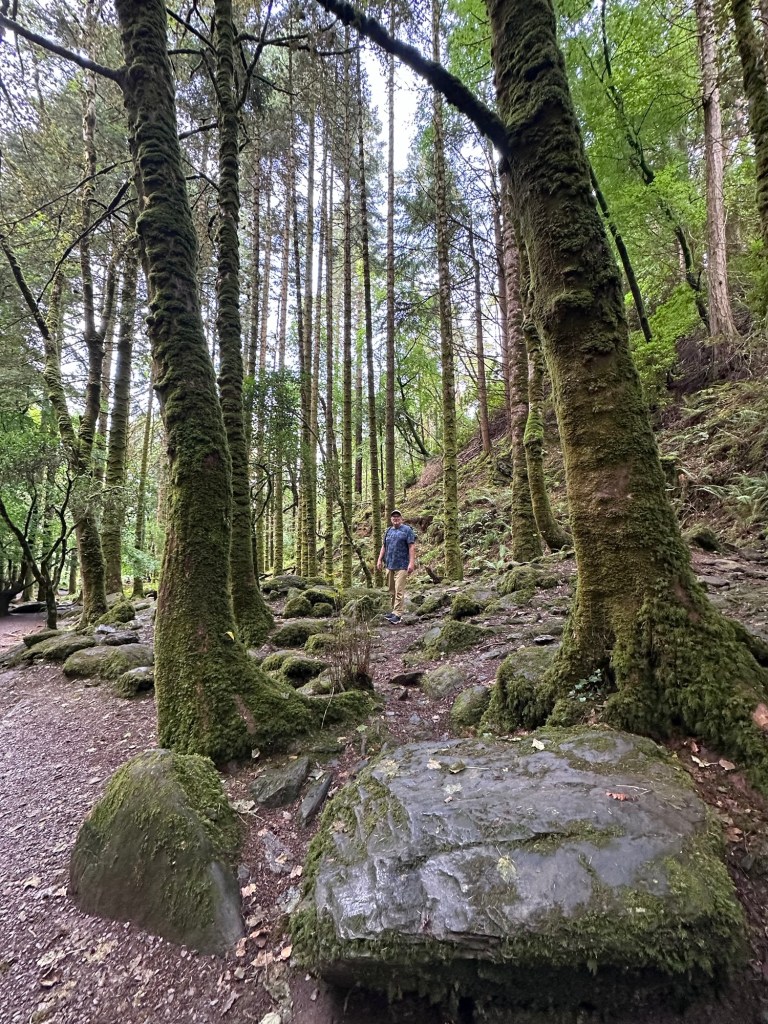
We had a short visit to the lovely Torc falls. More spectacular trees and lots of moss!
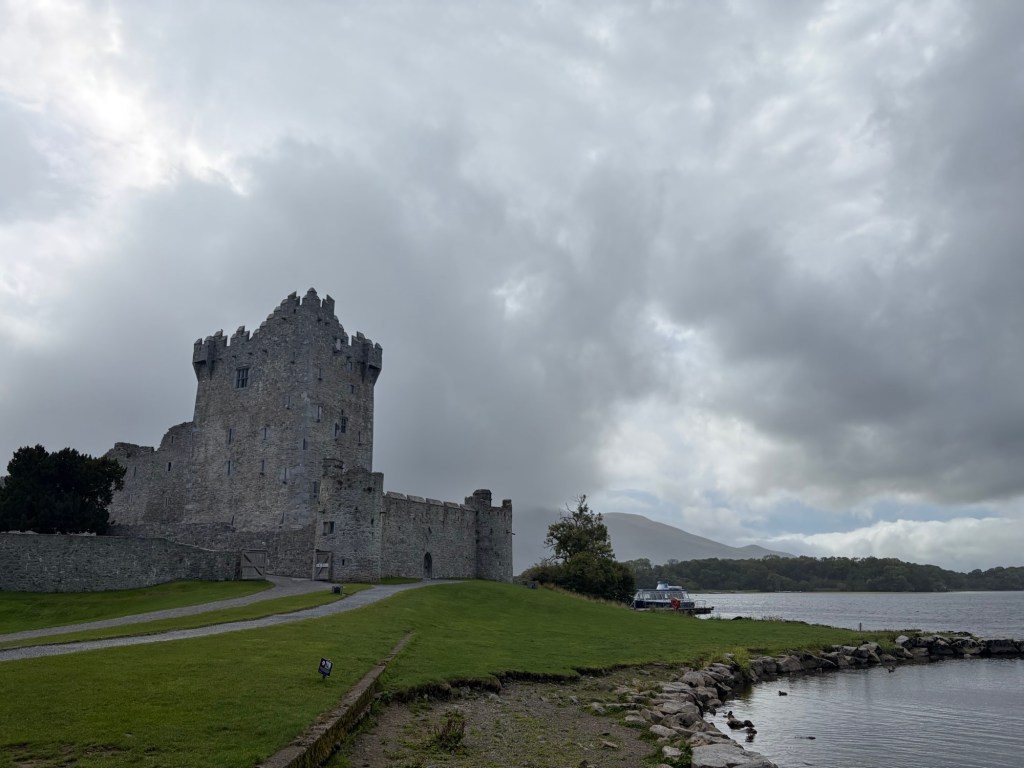
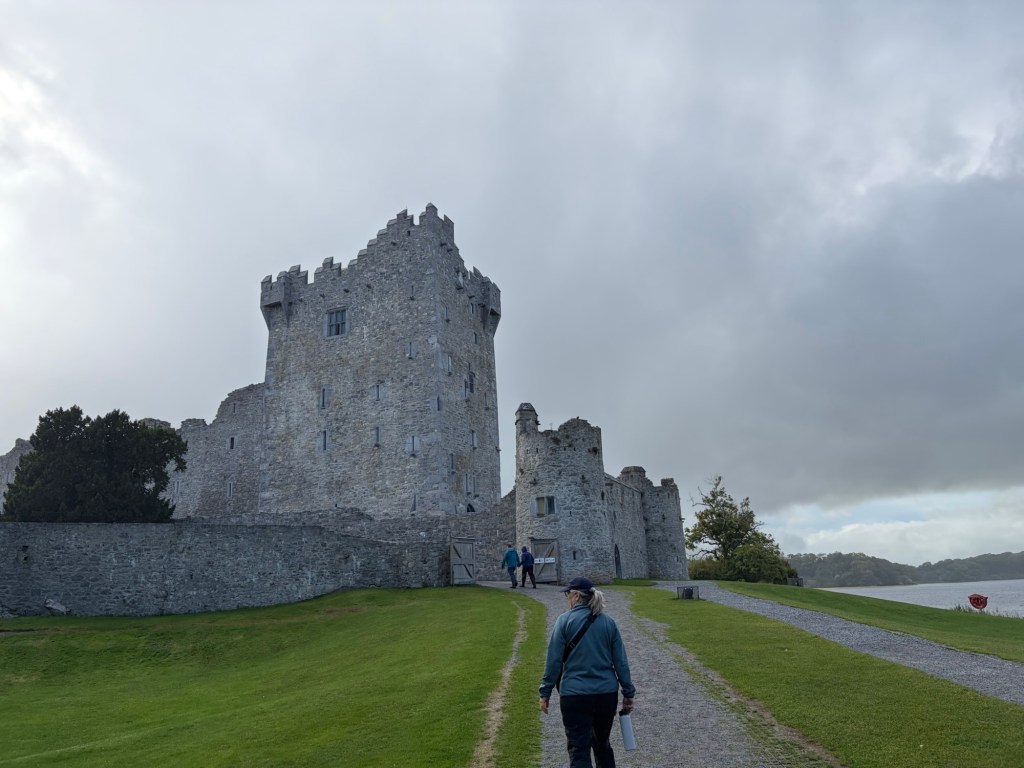
We then stopped to collect some supplies before heading to Ross Castle for a picnic. Stevie steered us to a gas station to pick up our picnic lunch.
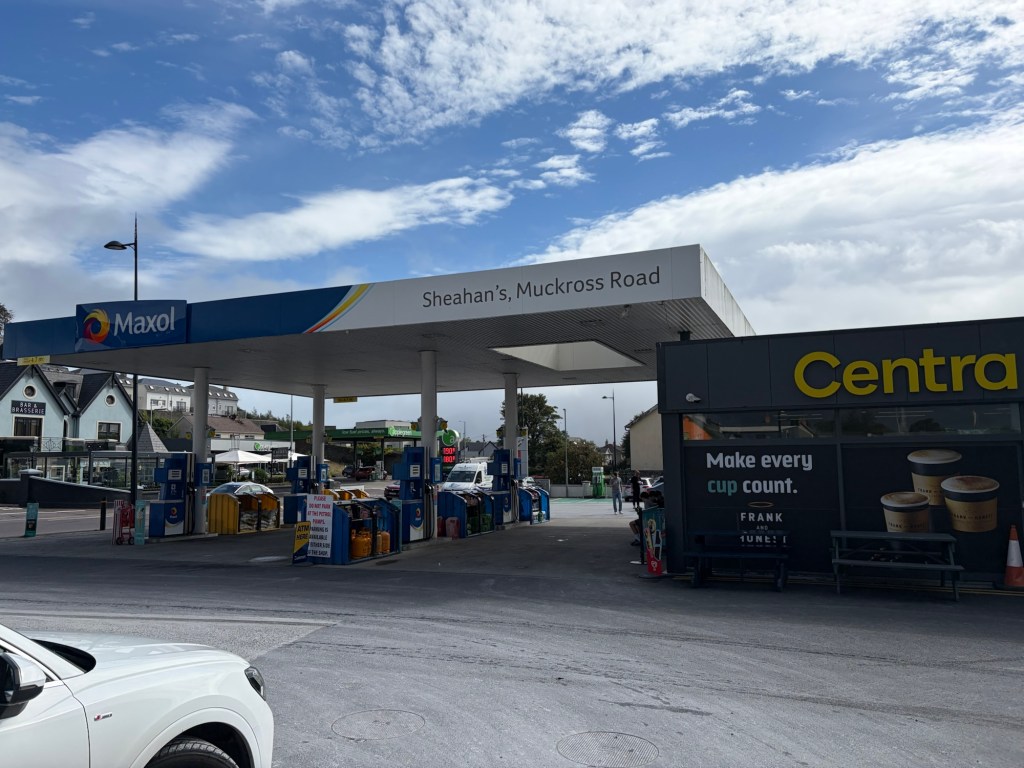
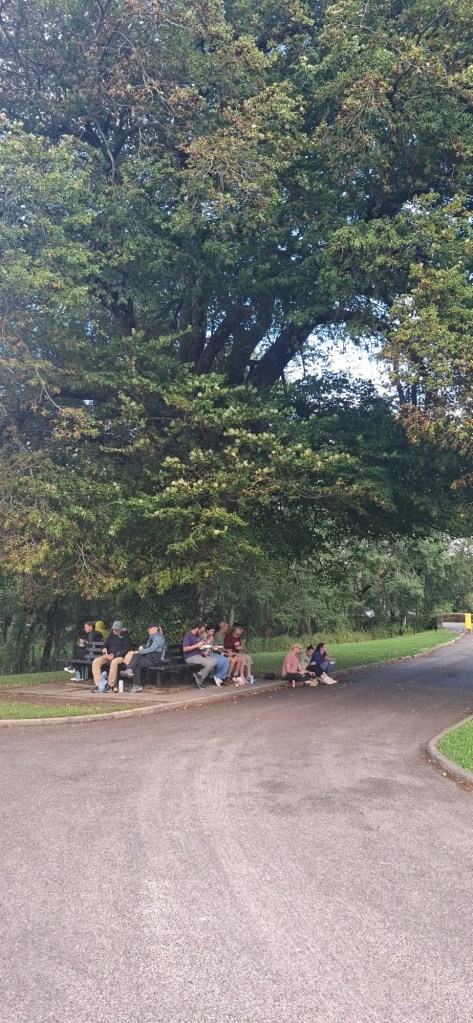
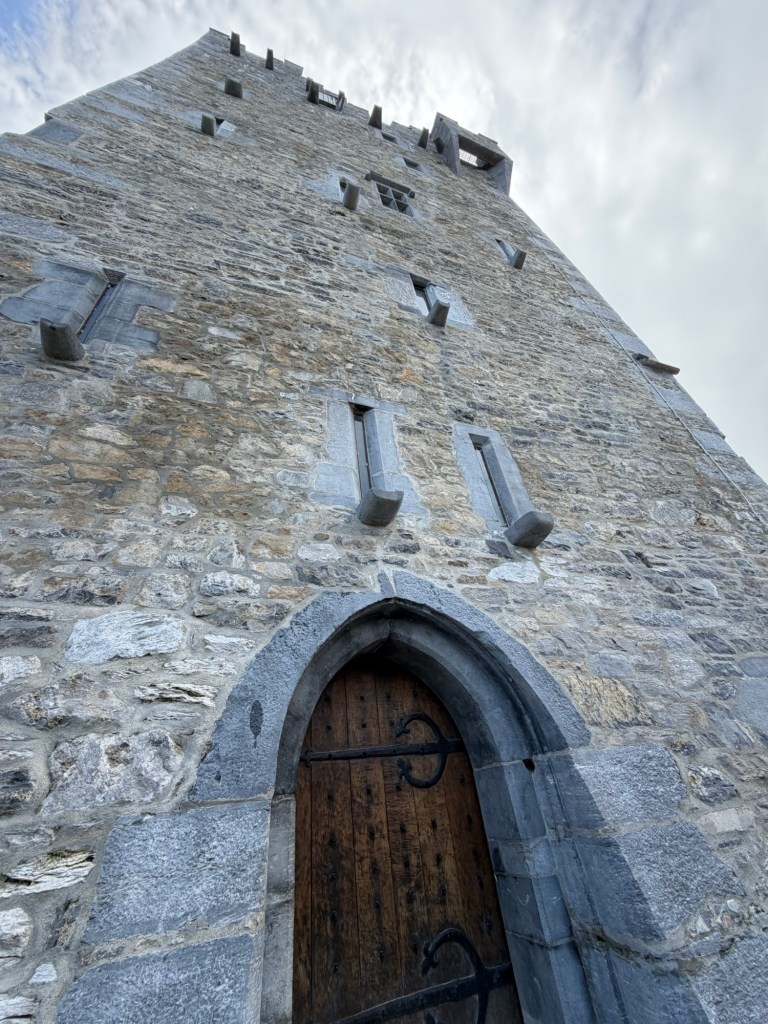
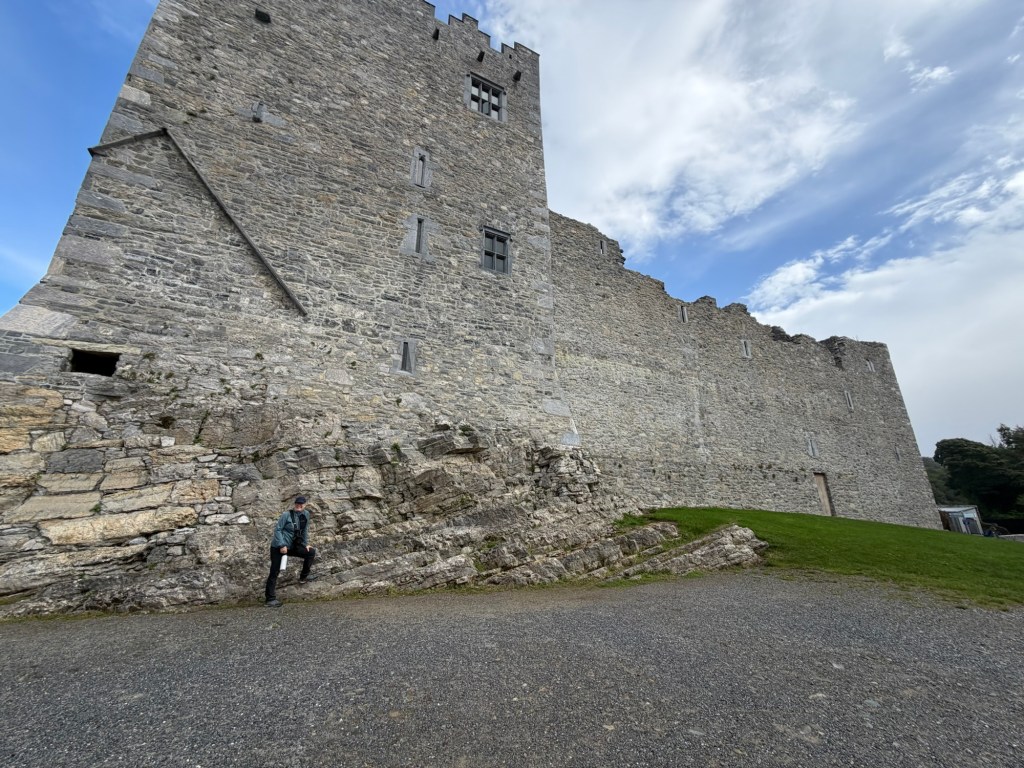
In Canada this would have likely led to a case of food poisoning but in Ireland many gas stations have a marvellous selection of fresh and delicious food. We split a pesto chicken wrap and a falafel salad— delicious. And as a picnic spot, Ross Castle will more than do.
By the end of the day, my lip had receded back into my face and we were in Dingle, where we would stay for the next couple of nights. Dingle, a town of less than 5000 people, has 52 pubs and the greatest concentration of musical talent in Ireland. It looked to be a promising place to visit!


Leave a Reply