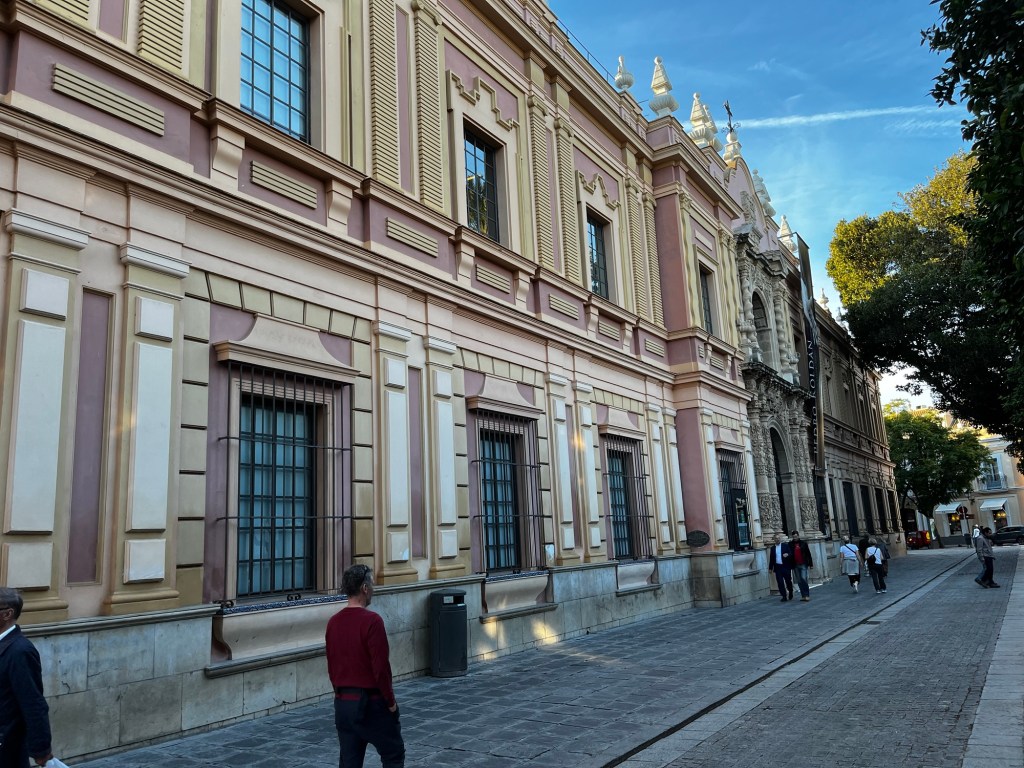
We had two days with some rain, a rarity in this city. It was certainly welcomed by the farmers who have been facing historic drought in Spain. One rainy afternoon I took a solo trip to the Museo de Belles Artes, a former home for the friars of the Order of Mercy which is now a collection of mostly religious (i.e.: Catholic) art which was rescued and collected from convents and monasteries in the 1800’s.
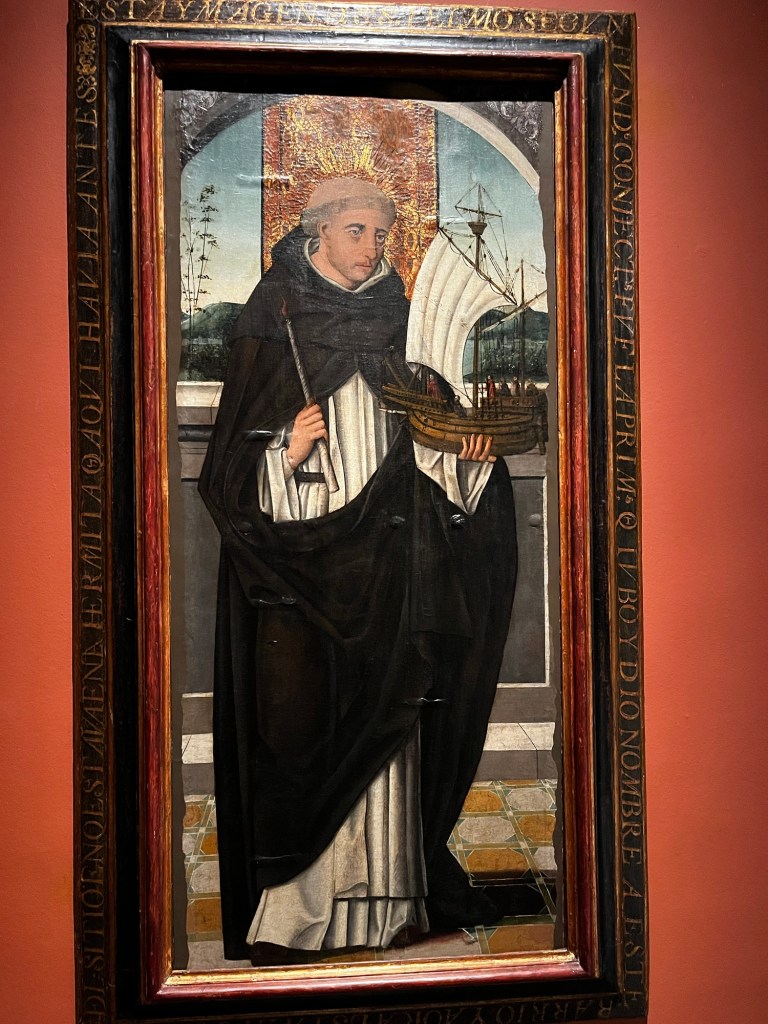
While the first floor is crammed with paintings and statuary that focus almost exclusively on religious themes, they do feature works by Zubaran and Murillo, two important masters in the world of Spanish art. Casual viewing certainly reveals the strong connections between religion and the affairs of the state.
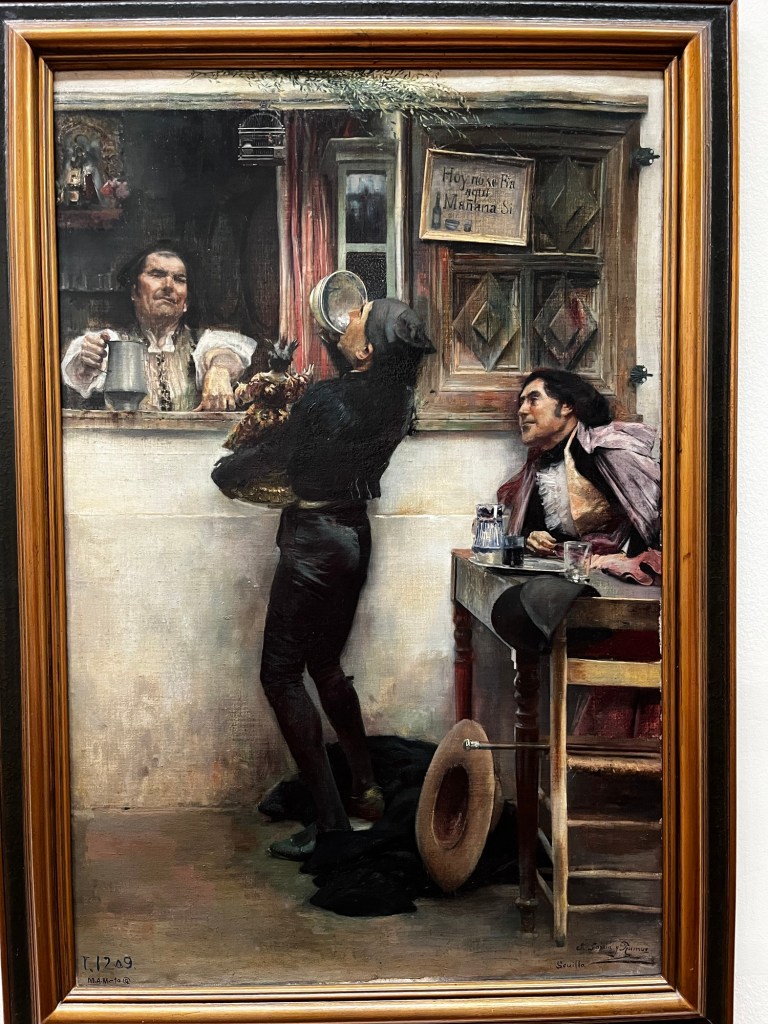
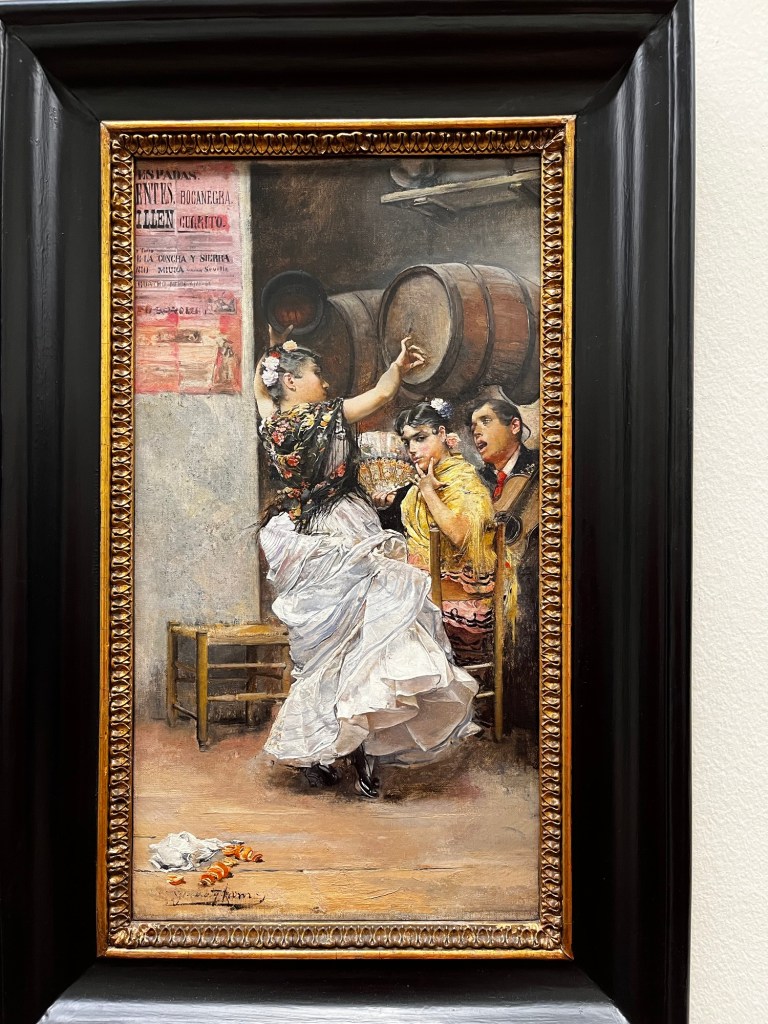
The second floor has more of a mix of secular themes and features some typically Sevillian landscapes and motifs.

The real star is the building itself: its soaring ceilings, serene courtyards and impressive tile work are certainly worth the price of admission. Which, by the way, is ridiculously inexpensive: free for Euro residents and 1.5 Euros for non-European residents.
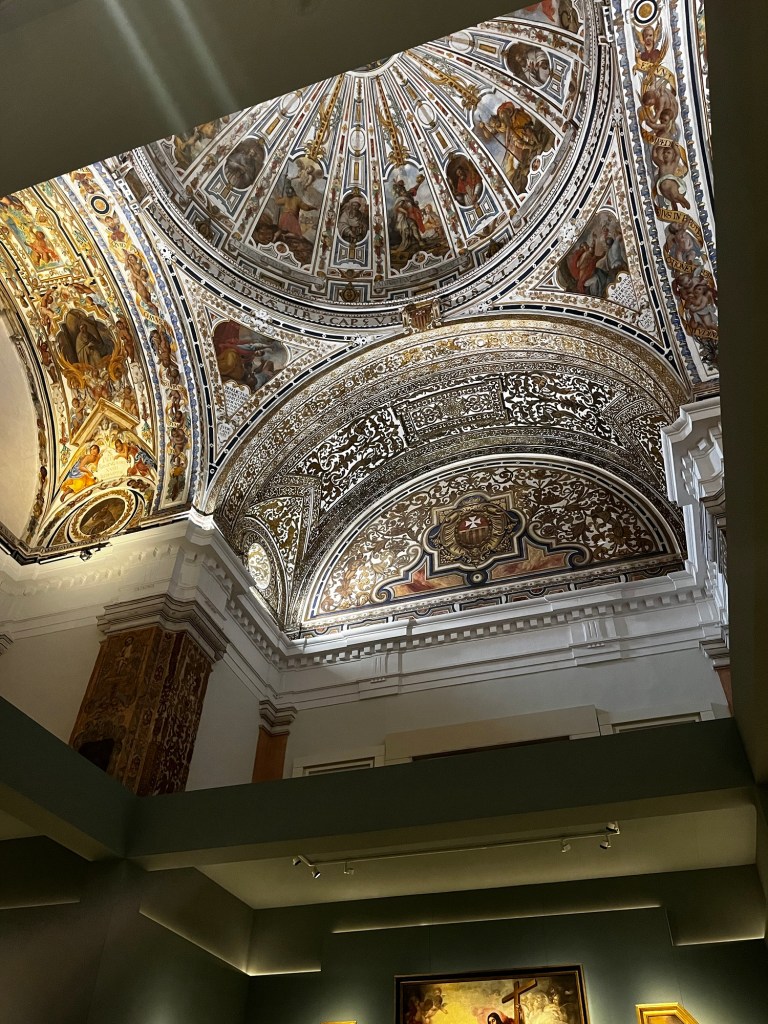
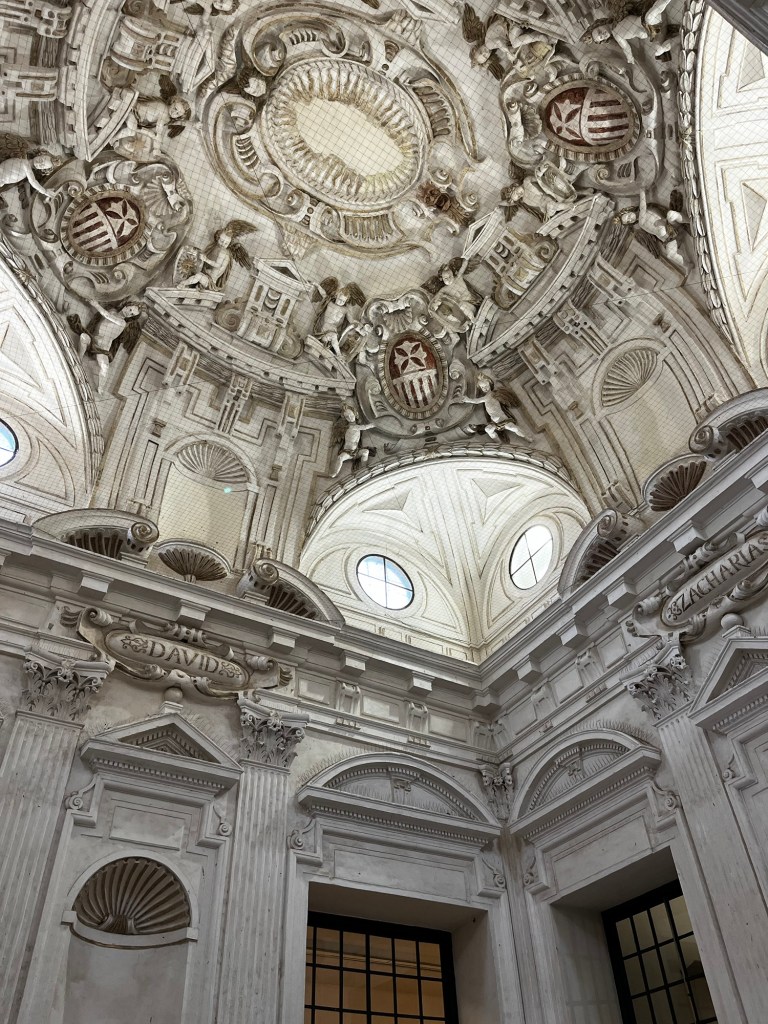
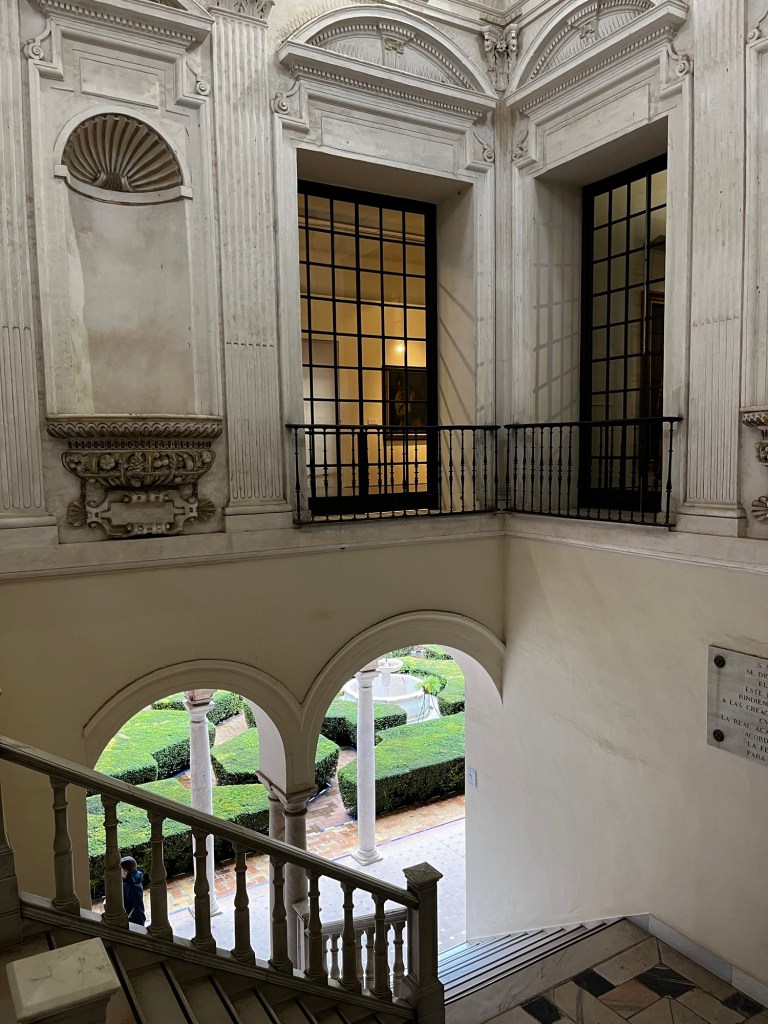
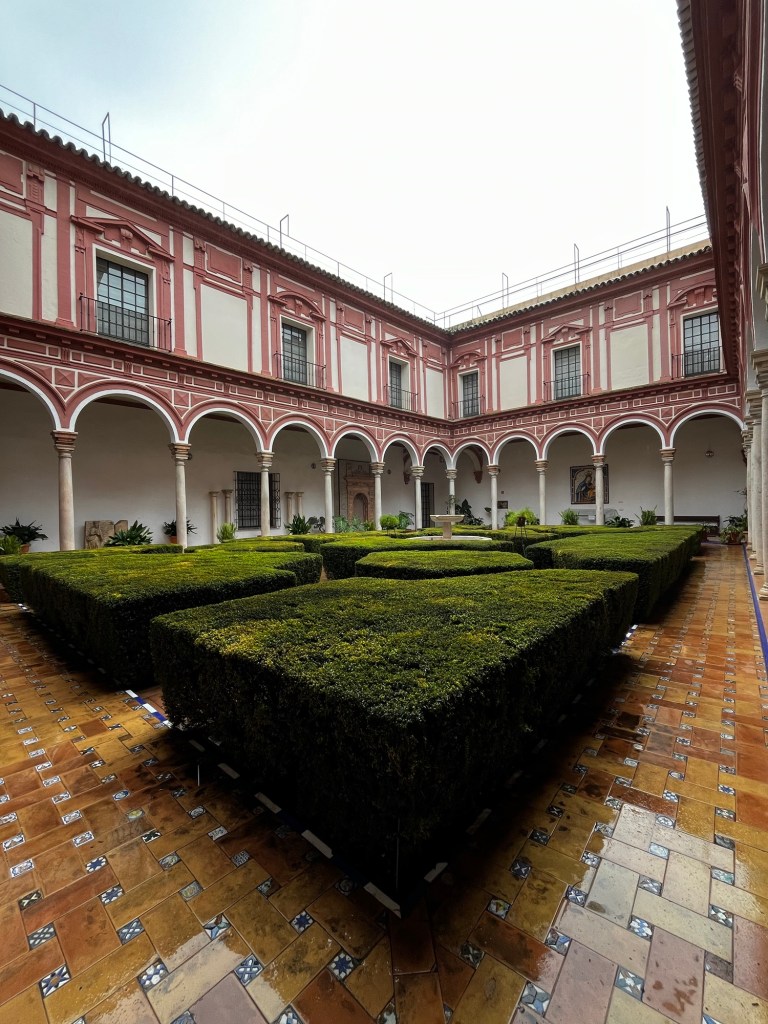
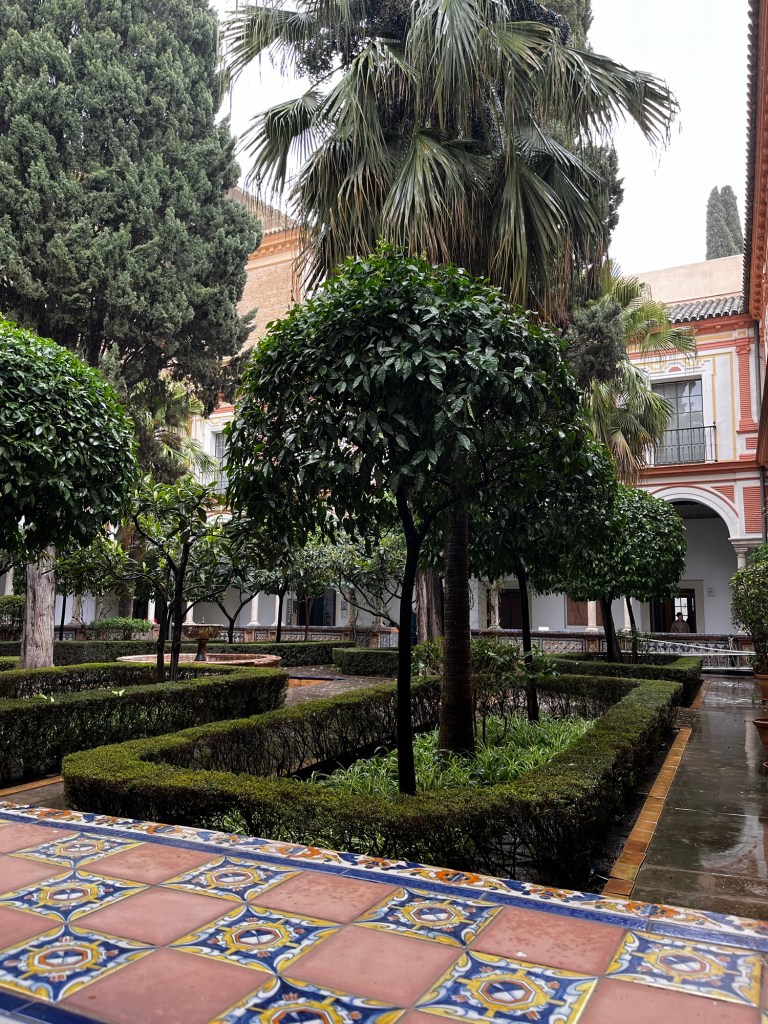
The predominant impression you are left with as you tour the museum is of a country and city resolutely Catholic and traditional in the face of change, specifically the rise of Protestantism and then secularism. What also strikes you is that there is no mention or allusion to the contributions, influence and erasure of the Jewish and Muslim populations who co-existed with Christian Sevilla for well over 100 years following the Reconquista in the mid 13th century.
To get a flavour of this hidden Sevilla we booked a walking tour of the Bario Santa Cruz, the former Jewish quarter, through the tourist information office. Truus set this up for us and it was an absolute bargain at 15 Euros a person for a 1.5 hour tour. There was just the four of us and Maria (are all tour guides in Sevilla named Maria?) shared her passion for Spanish history with us in a very engaging tour.
The story of the Moors, the reconquista, and their subsequent expulsion will be explored more in a future post. The history of the Jewish residents of Sevilla is all too familiar to even those with a casual familiarity with European history. Jews lived for centuries alongside Moors as respected figures in the community. After the reconquista they were confined to the Jewish quarter by the new Christian rulers, even though they were given some measure of protection and continued to play a valuable role in the community. By the late 1300’s, however, anti-Jewish prejudices boiled over. On June 6, 1391, thousands of Jews were murdered by Christian mobs and thousands more fled the city. Within a 100 years, Spanish Jews were given the choice of converting to Christianity or be exiled from the country. By 1492, all of Spain’s Jewish and Muslim residents had been expelled.
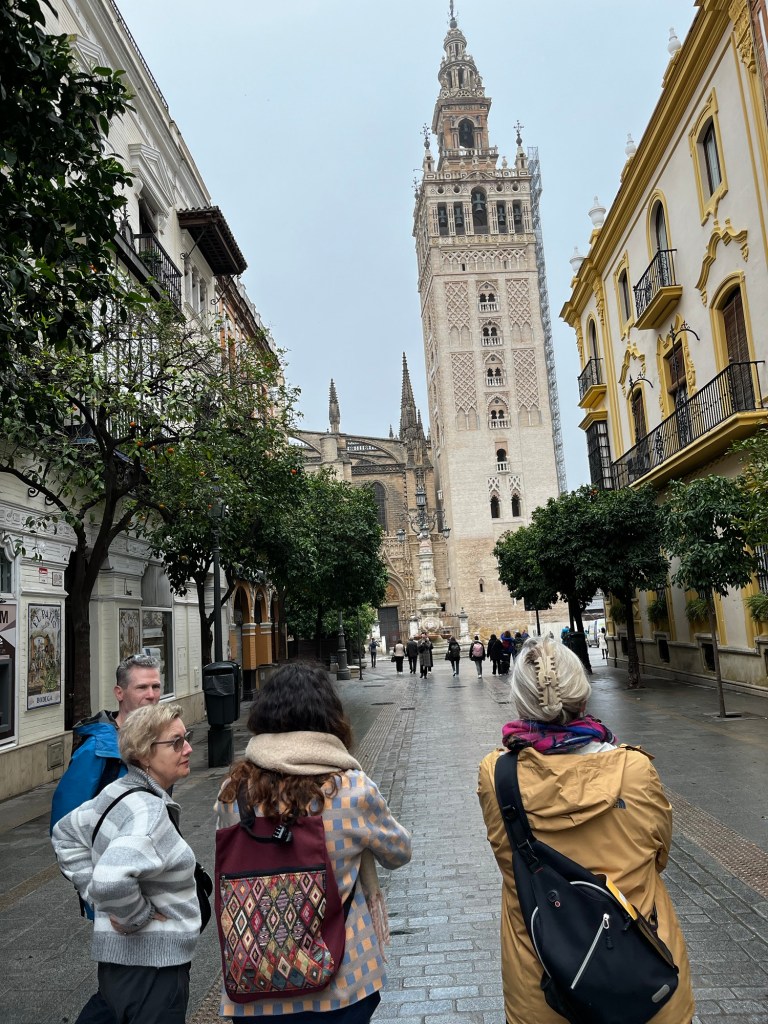
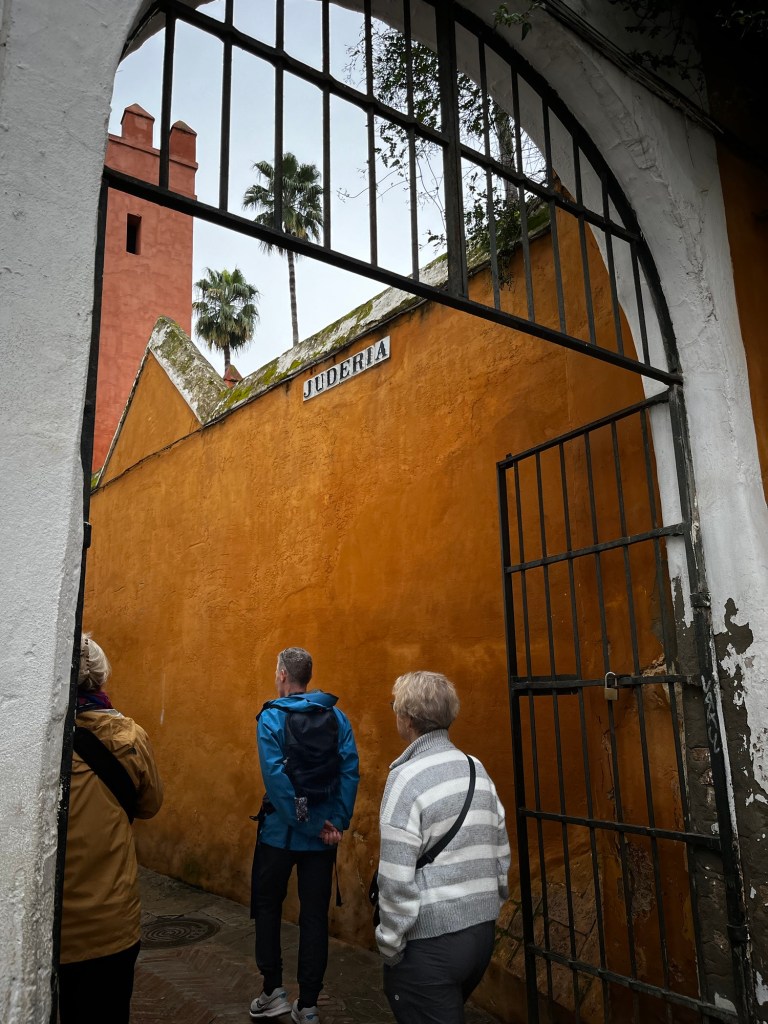
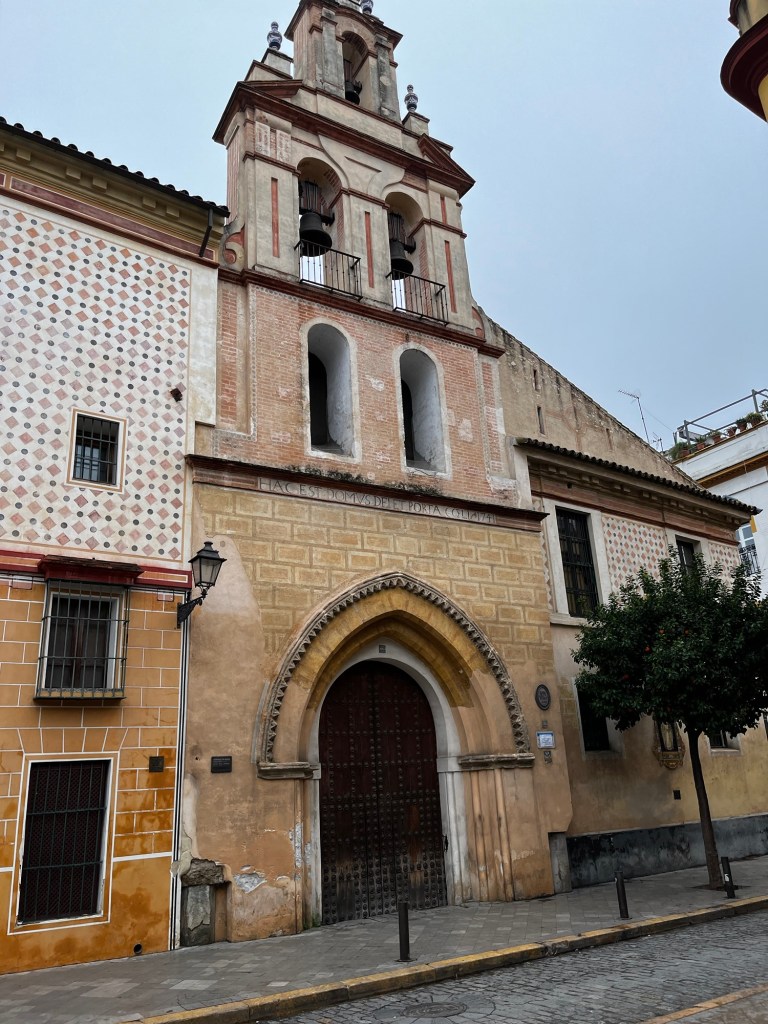
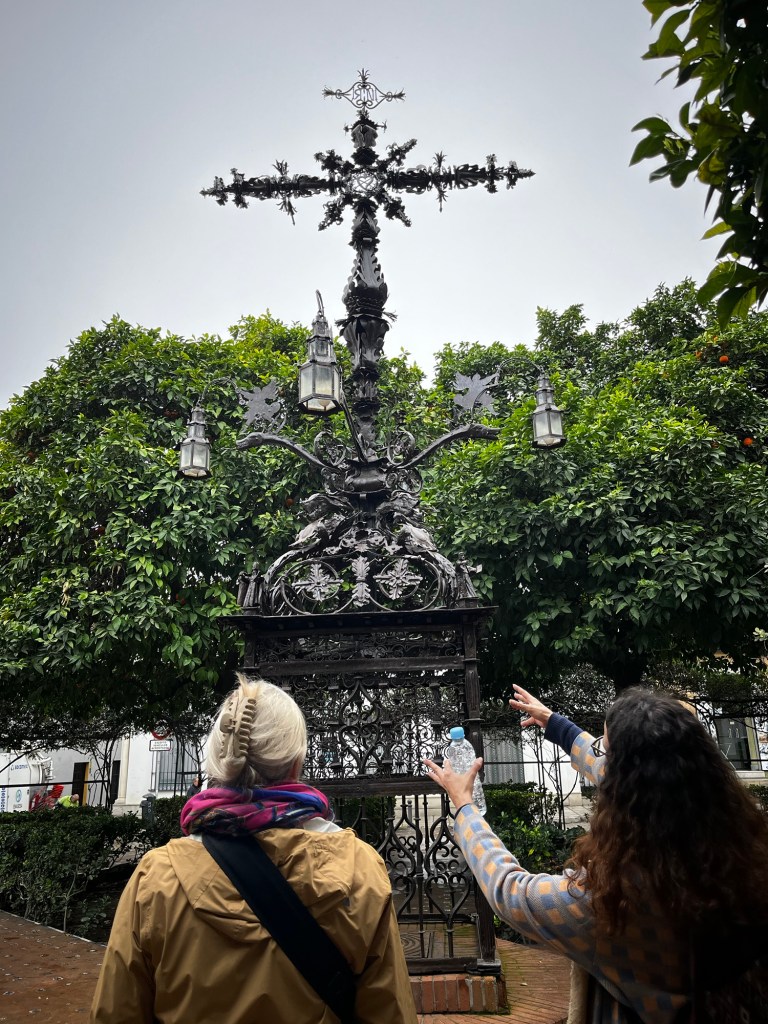
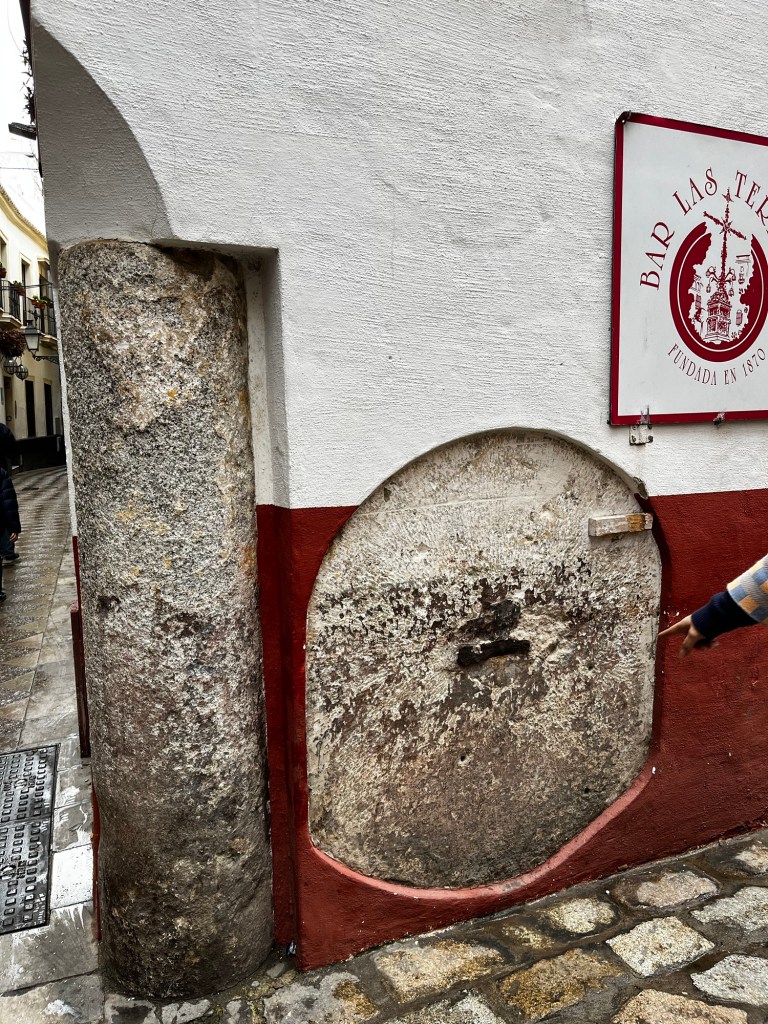
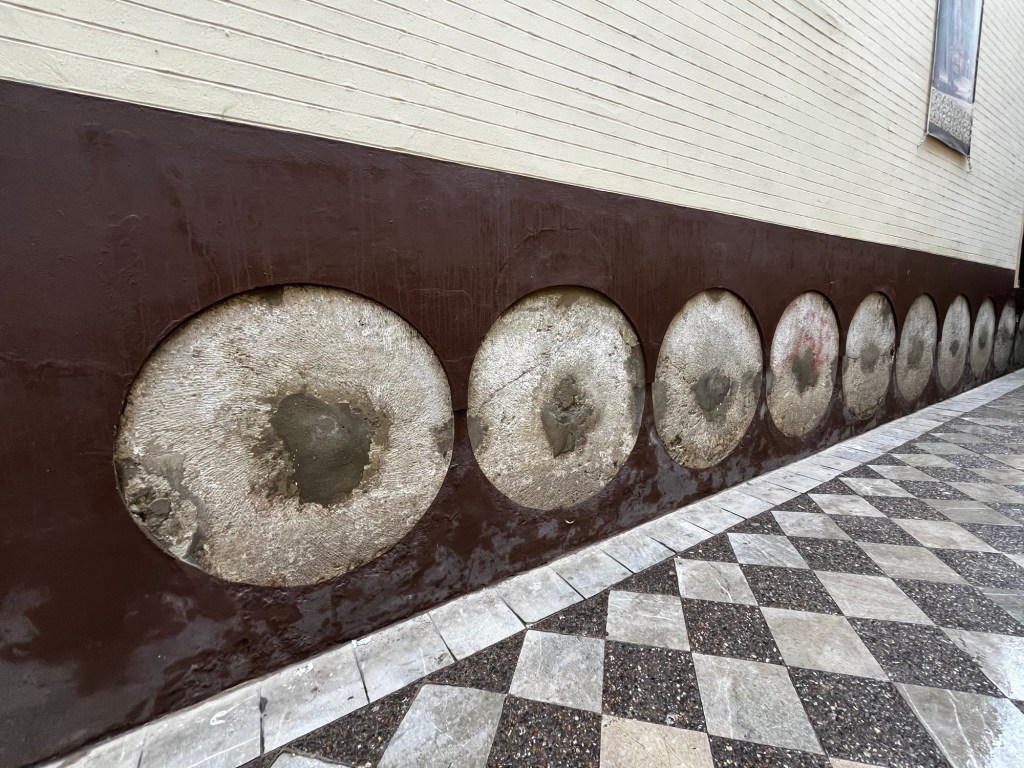
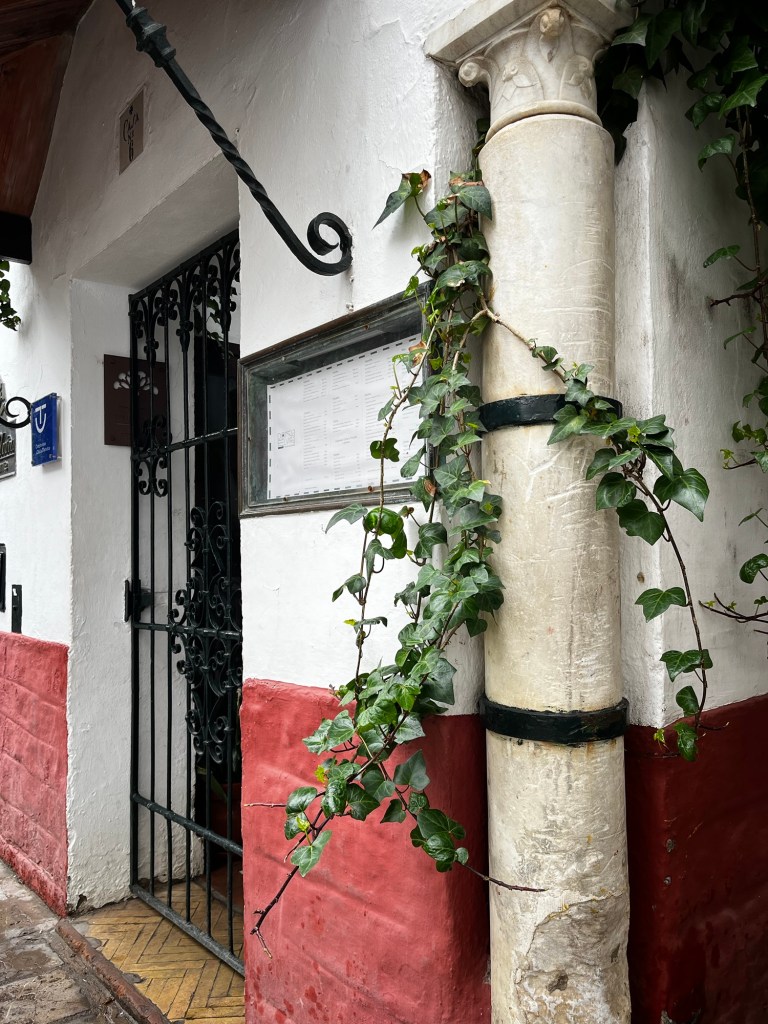
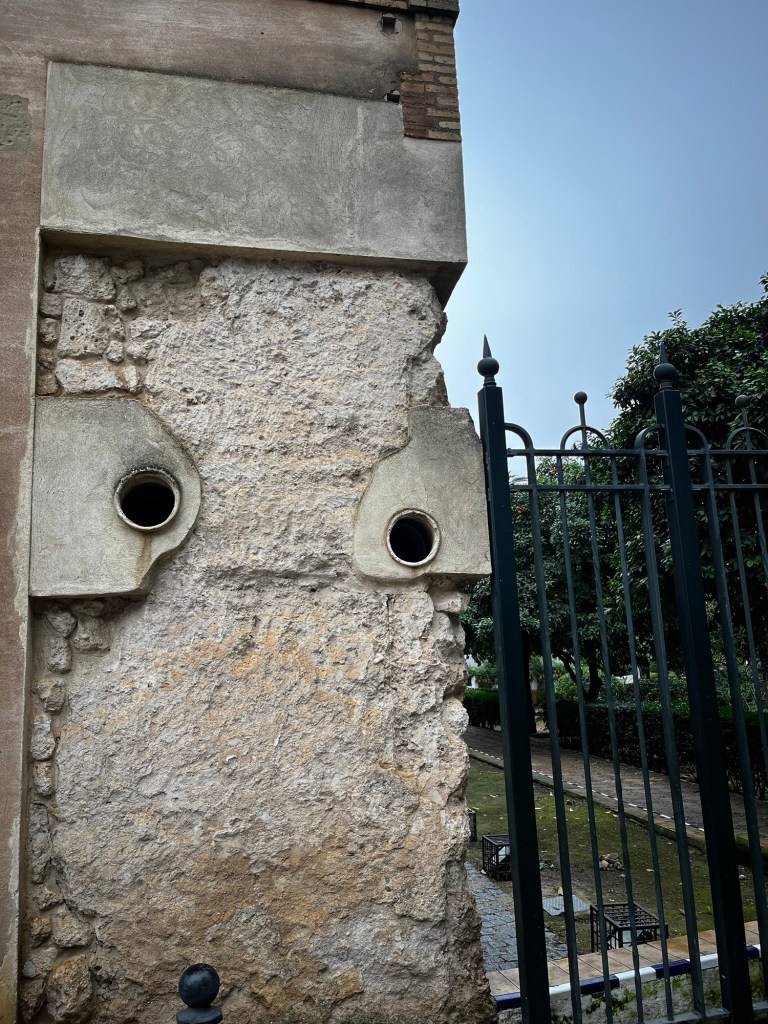
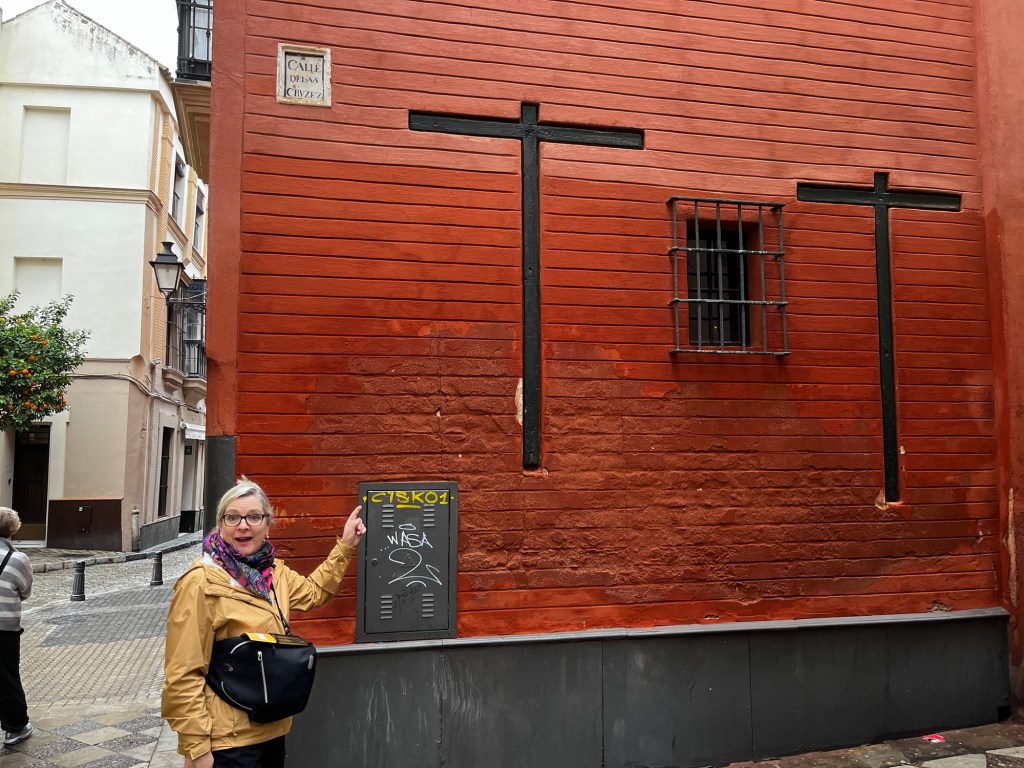
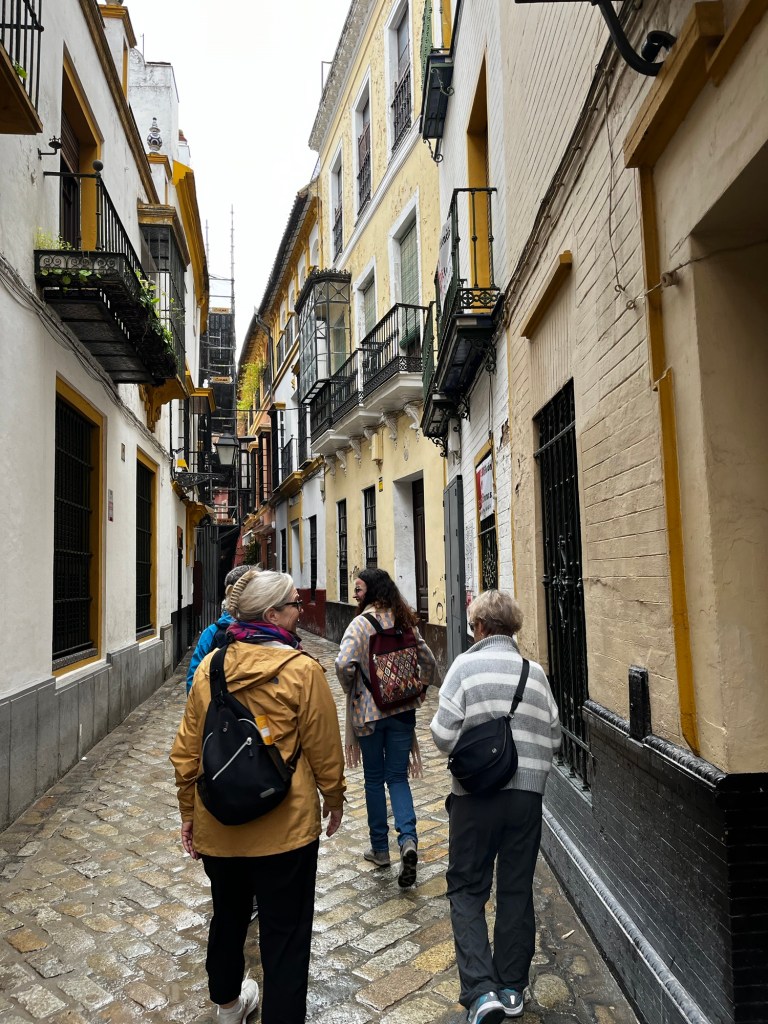
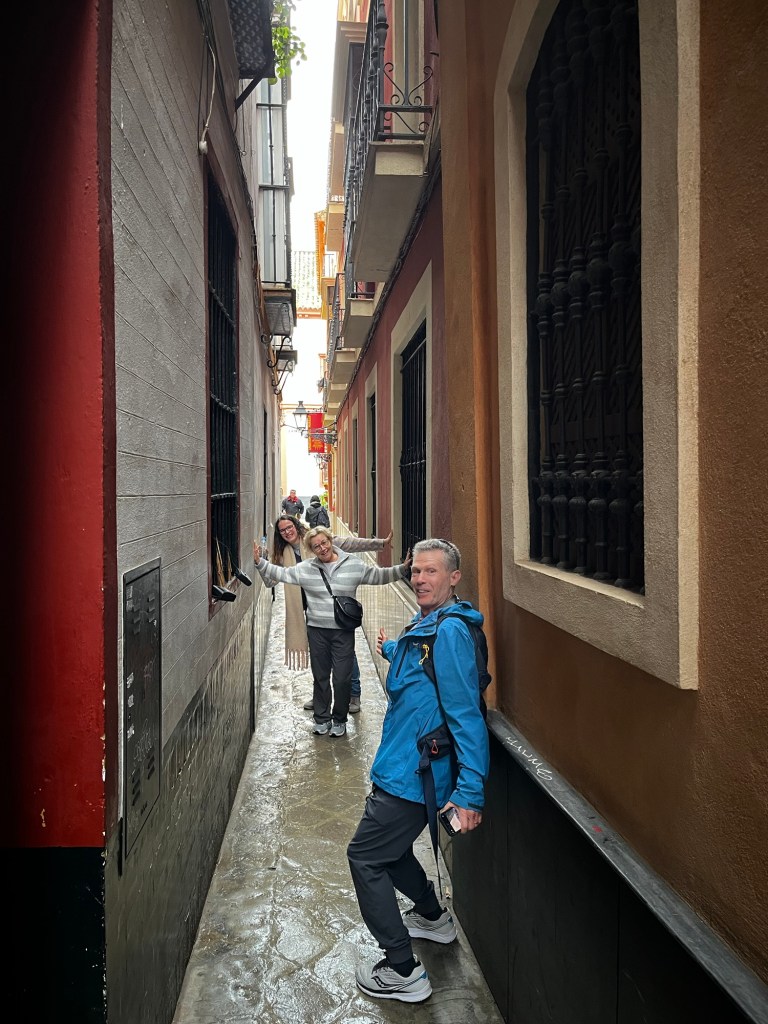
Bario Santa Cruz is now a polished tourist attraction and apartments in the district routinely fetch over a million Euros. When you probe a little deeper beneath the veneer, some of the complexity and horrors of history come to the surface. Sevilla, in this regard, is no different than most places in the West. It is so important that we face this history head on, and check our own complicity in the events and movements that are shaping our world today.
We absolutely loved our time in Sevilla: it is a city that is easy to live in, and easy to love. We will be back.
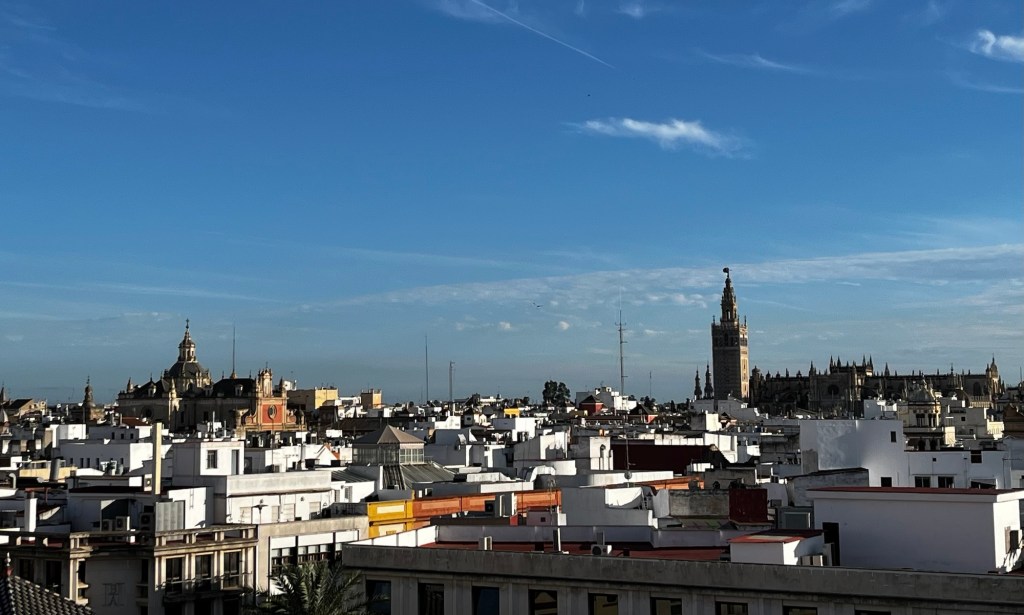
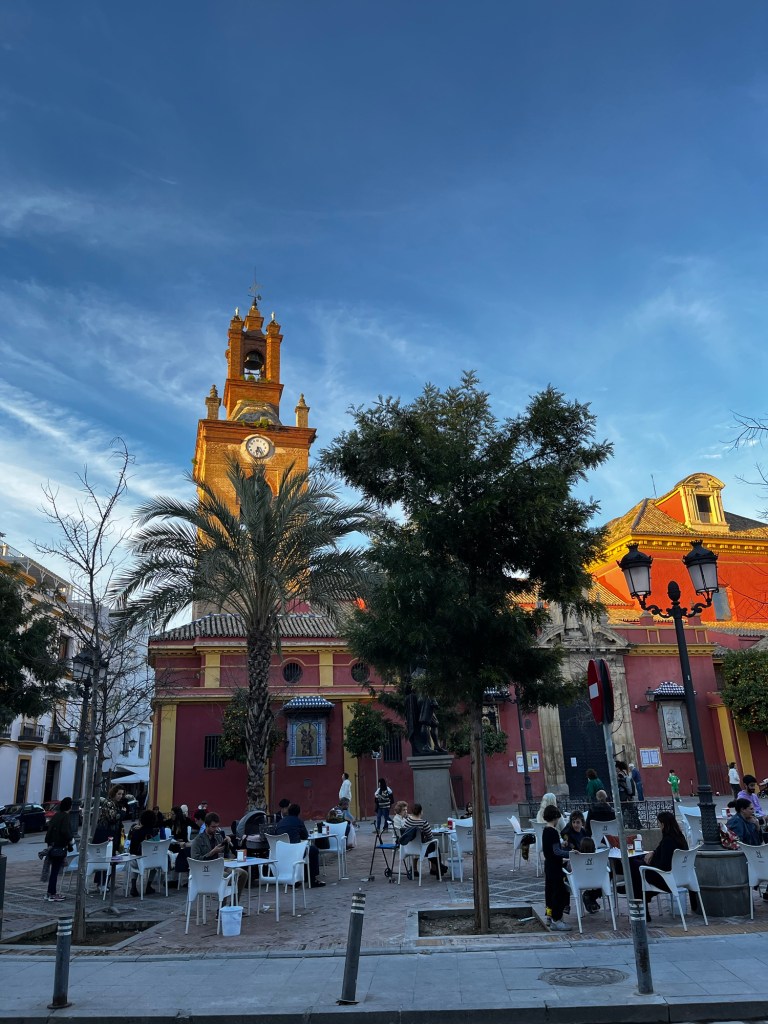
On to Granada!


 MacsTravel Blog
Leave a reply to lifeisbettergreen Cancel reply