
Fiordland National Park is huge. Jamaica huge. 1.2 million hectares huge. It makes up a large chunk of the south west coast of New Zealand, sits on the tectonic plate divide and includes mountains, plains, rain forests and, of course, 14 incredible fiords. Most of it is very remote and almost inaccessible to most visitors.

Milford Sound (it’s actually a fiord-shaped by glaciers, rather than a sound- shaped by rivers) is about 70 km and a 30 minute flight from Queenstown or almost 300 km and 4 hours on New Zealand’s infamous single lane and windy roads, which was our route of choice. It is, no surprise, a spectacular drive, much of it through the national park itself.

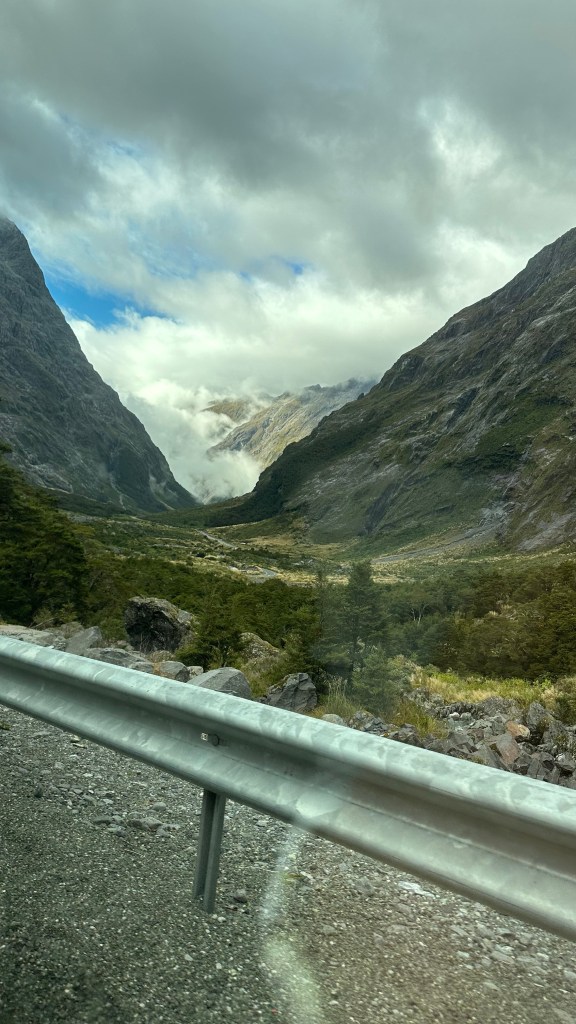

It’s a wet place, getting upwards of 10 metres of rain a year. To reach that number it rains over 200 days a year. We were resigned to expect bad weather on our trip to see Milford Sound, the most famous and visited of the 14 fiords, but the day stayed dry and the skies gradually cleared.
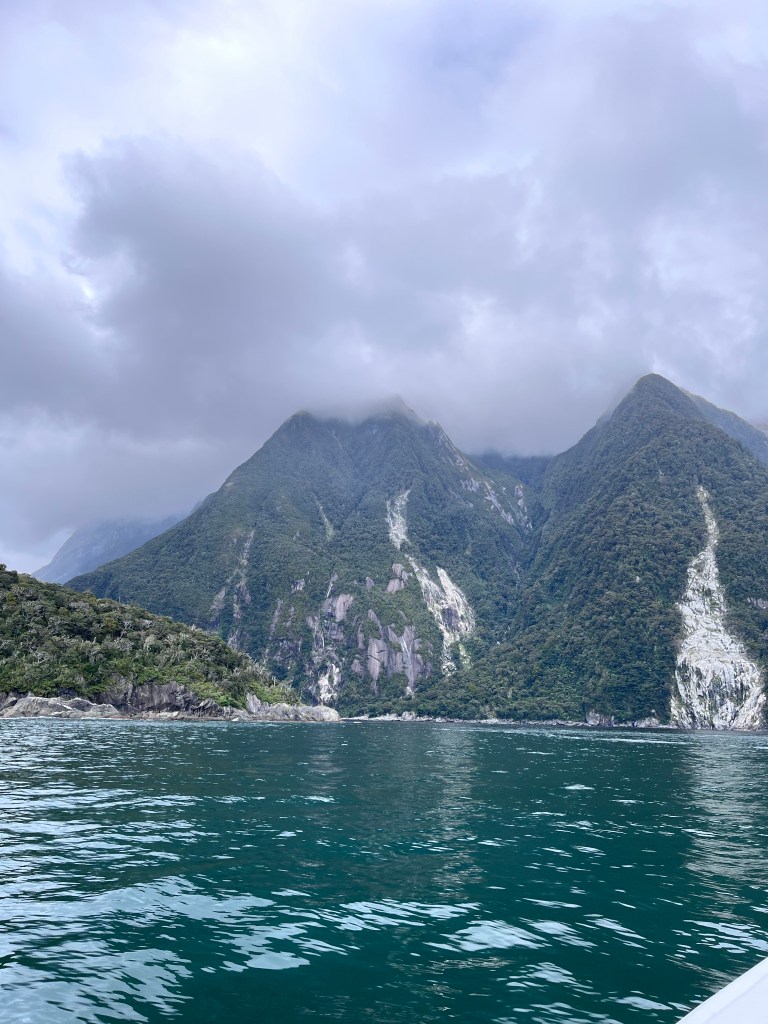

Upon arriving we discovered a well oiled machine at the ferry terminal. Most visitors bus in and out for the boat tour of Milford, and there were at least five companies operating out of the terminal. We feel fortunate to have booked with the Cruise Milford company which had a smaller boat with far fewer passengers. There was lots of space to move around, live commentary from the crew and up close visits with seals, cliffs and waterfalls. An excellent value for sure!
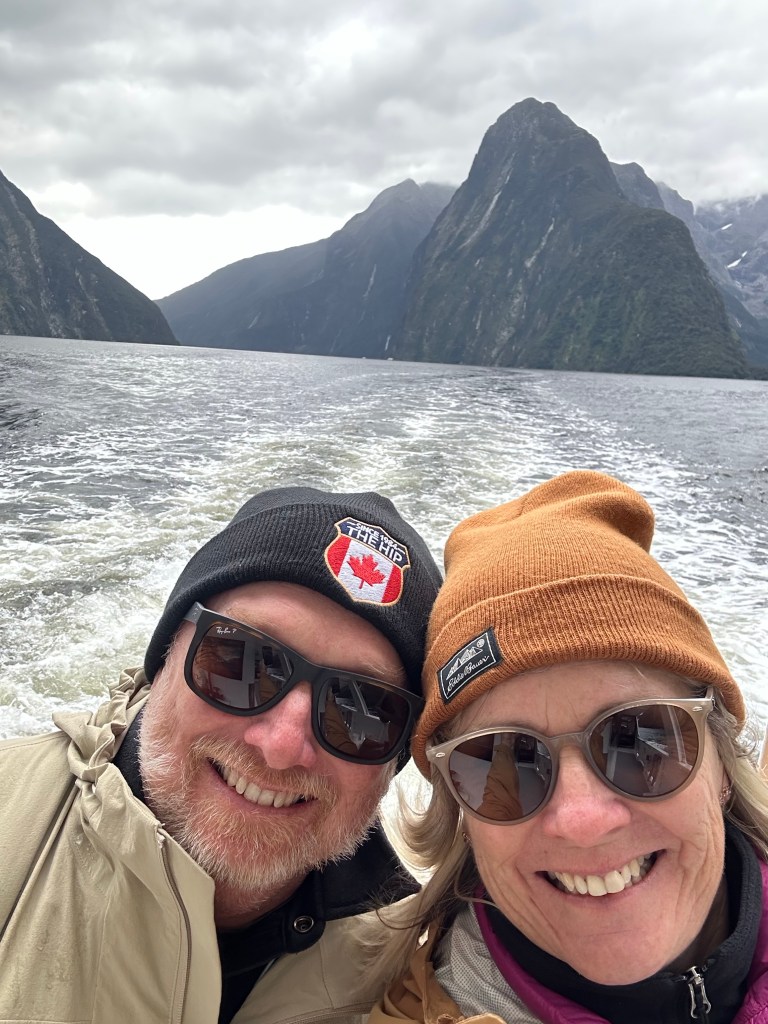

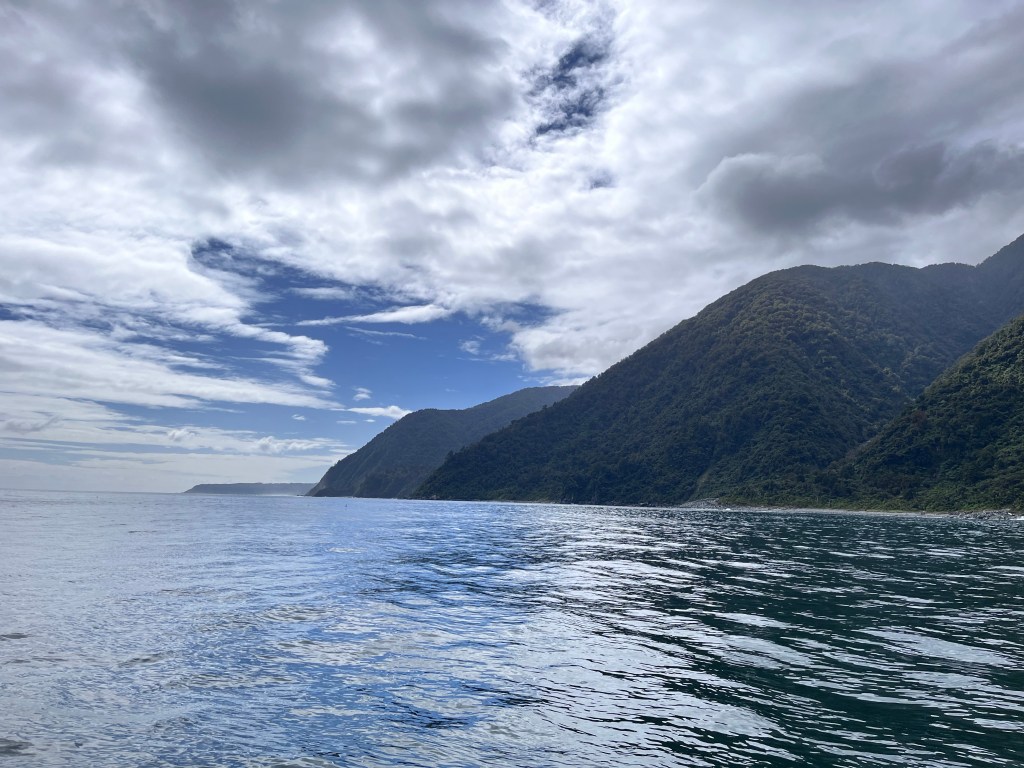
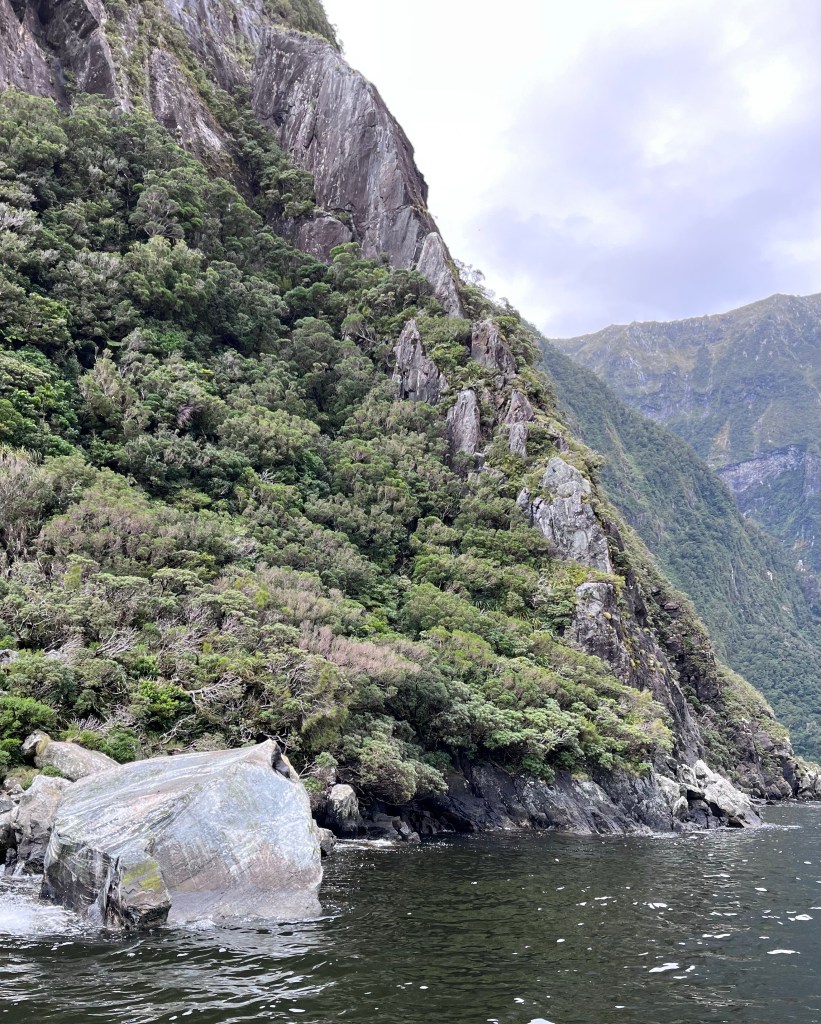
The tour of the sound takes about 2 and a 1/2 hours. The views are magnificent and the pictures don’t capture the sheer scale and verticality of the cliffs and waterfalls, one of which is three times the height of Niagara.
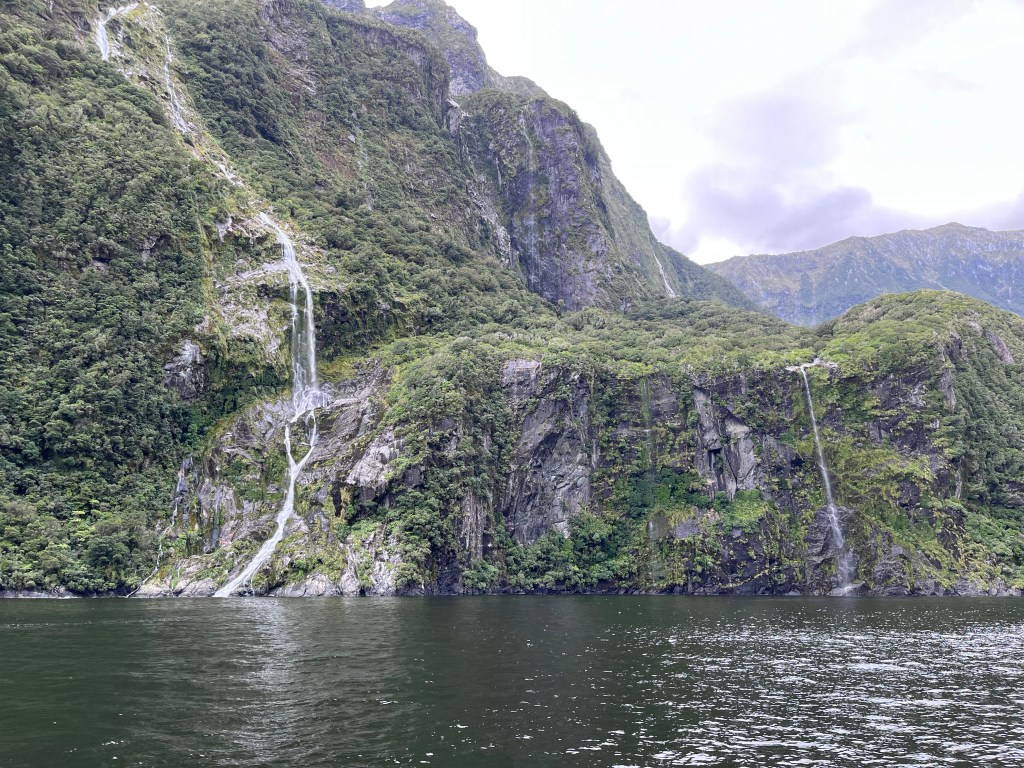


Only a couple of the waterfalls run year round: the vast majority are run off from mountain lakes and streams that overflow due to the rain. We were fortunate to be there at a time when dozens and dozens of waterfalls descended from invisible sources down the rock face.

Fiordland National Park is heavily invested in wildlife conservation and in the protection of native species (and population control of non-native animals). Red deer, as an example, are an incredible pest. Introduced by English settlers for sport hunting they have no predators and have run rampant. There is no official deer season in New Zealand: it is legal to hunt them year round. In fact they hunt deer from helicopters in the National Park.
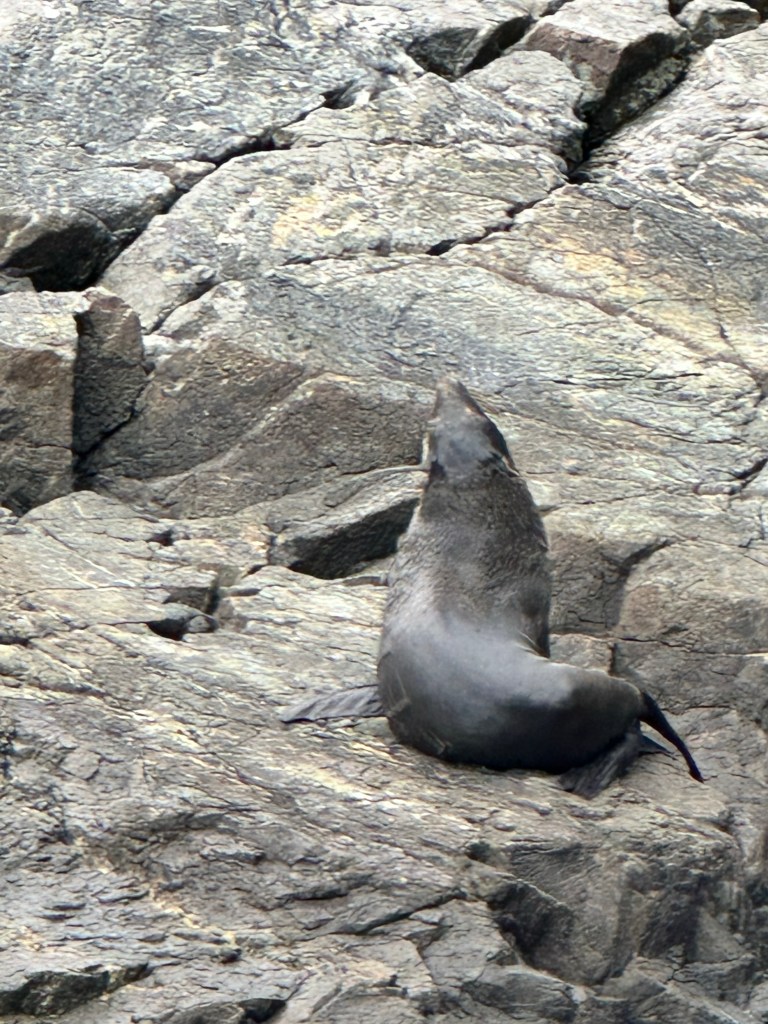
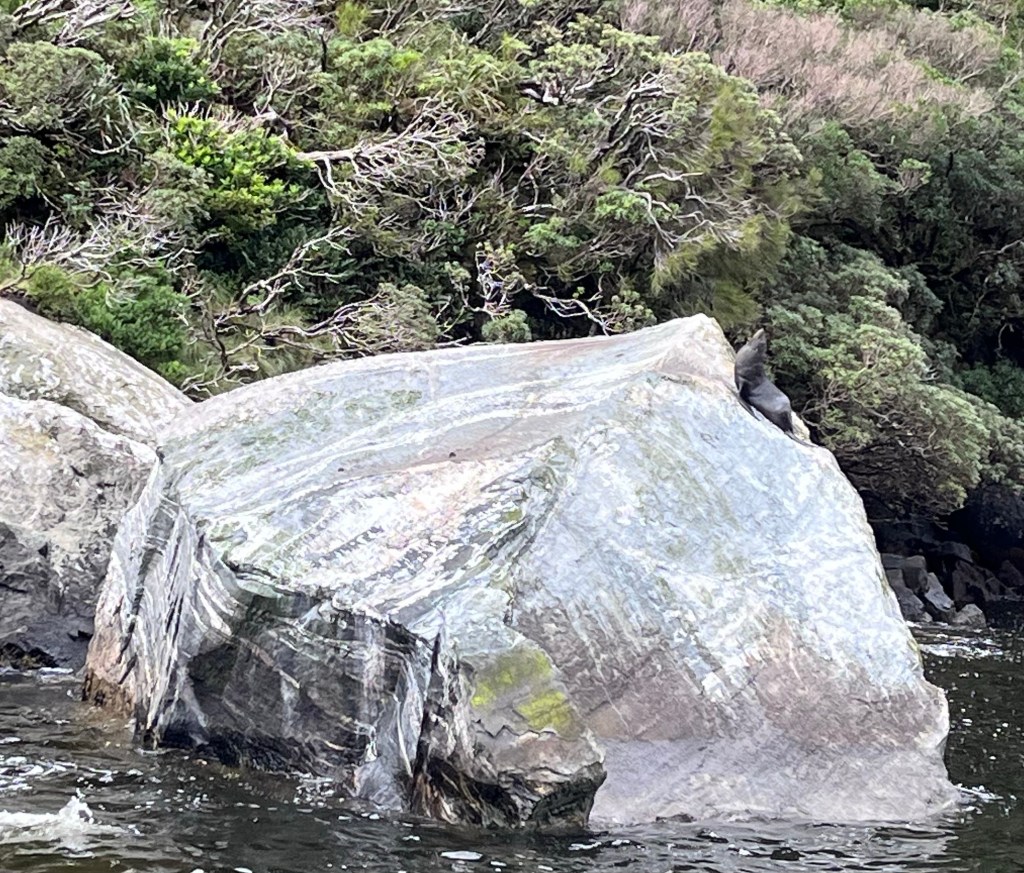
Other native animals are happy to be in the confines of Fiordland. We got up nice and close to two seal colonies.
And a little too close to Stirling Falls. We were warned. And we were prepared!
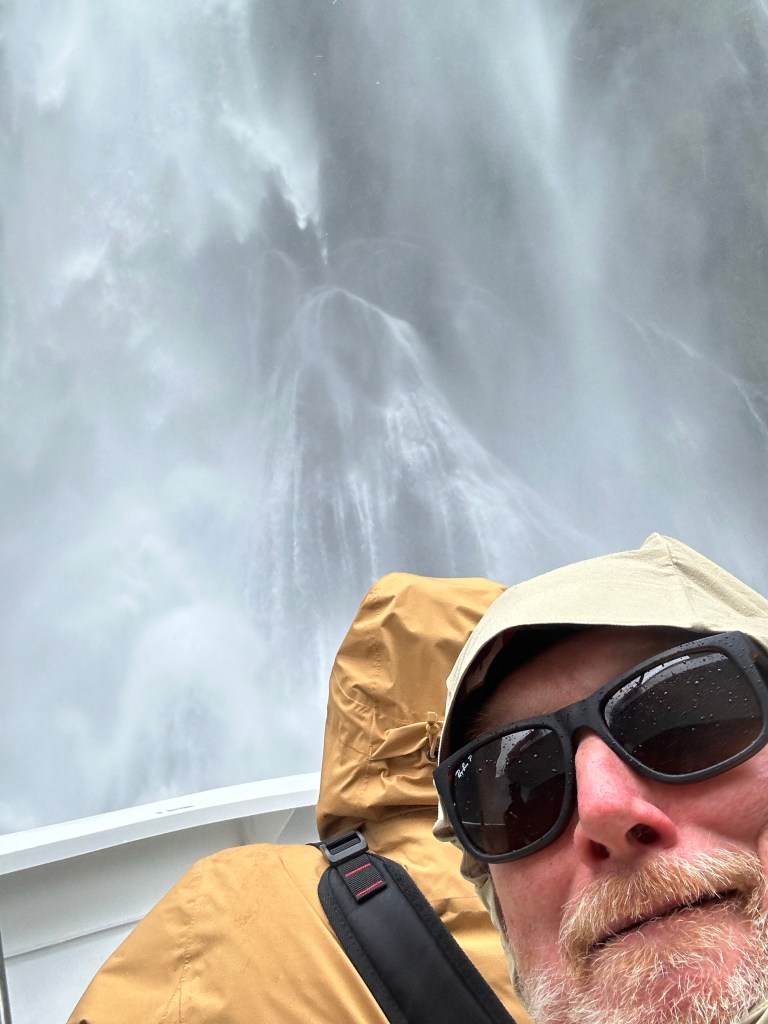

After wringing ourselves dry we drove back through the national park for about two hours, stopping in the little town of Te Anau for the night. We stayed at the Te Anau Lodge B&B which is housed in a former sacristy of all places. It was a pretty cool place. We stayed in the Music Room. And the view from the library (sorry, “Scriptorium”) was pretty outstanding.
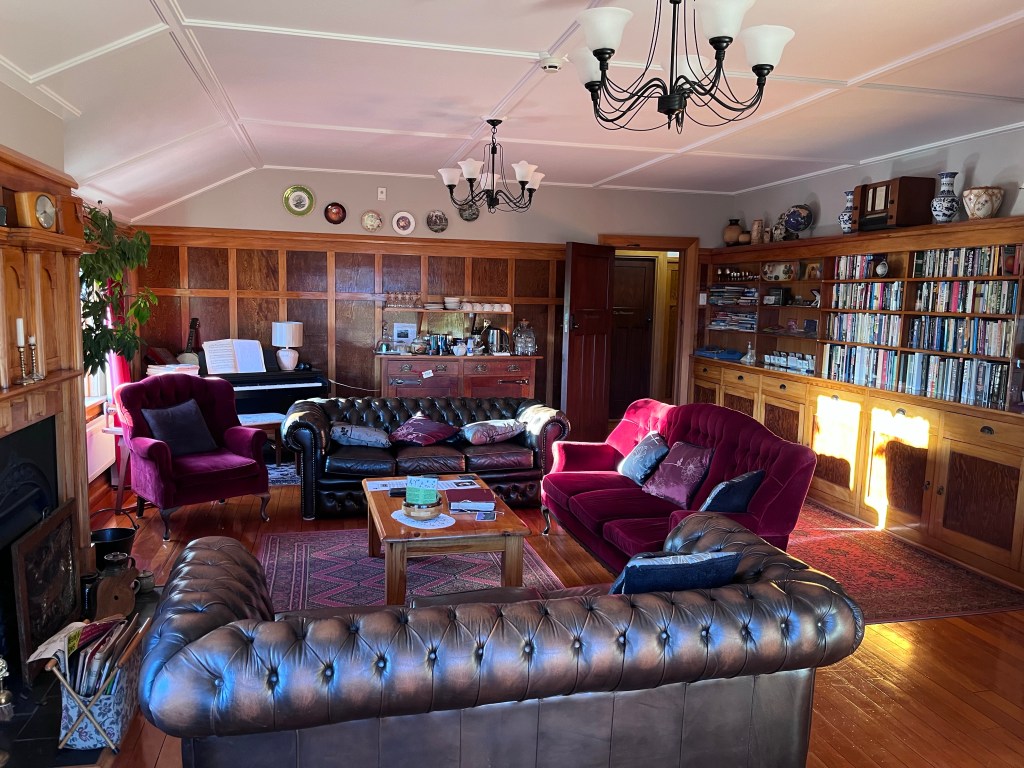
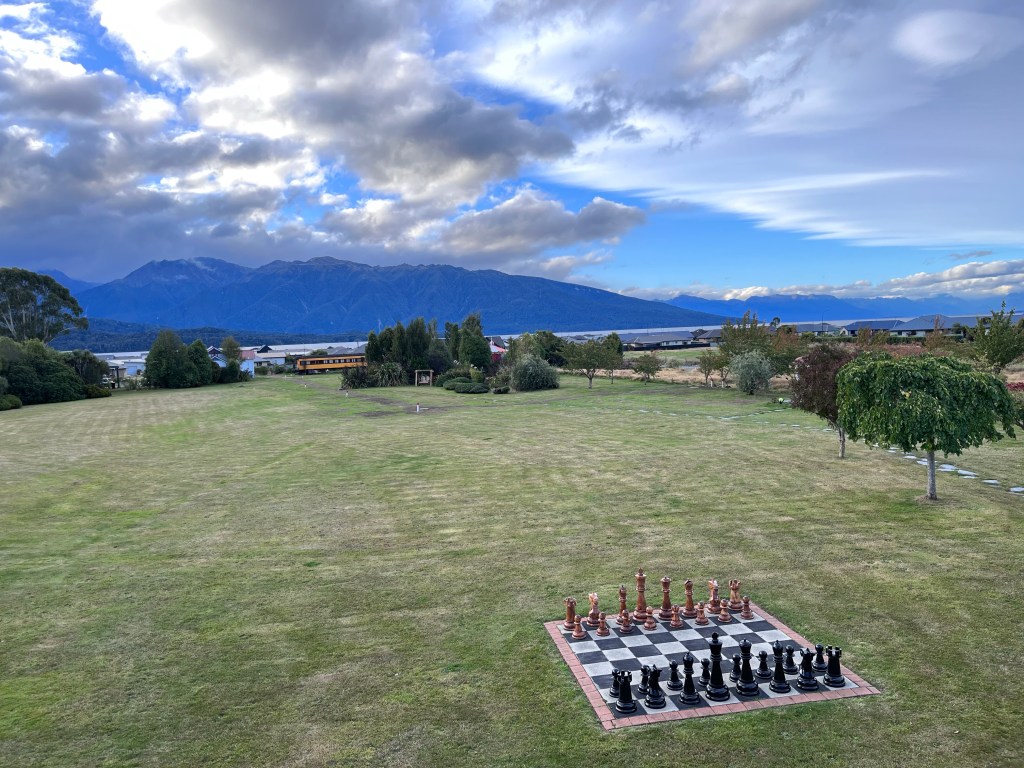
This backstory to this B&B is pretty interesting. It was originally the Sisters of Mercy Convent in the town of Nightcaps (a great name for a town) about 100 km away from its current location. It was moved to Te Anau in pieces when the nuns moved out and reconstructed to serve as a B&B.
By the way breakfast was terrific. The dining room is in the former chapel!
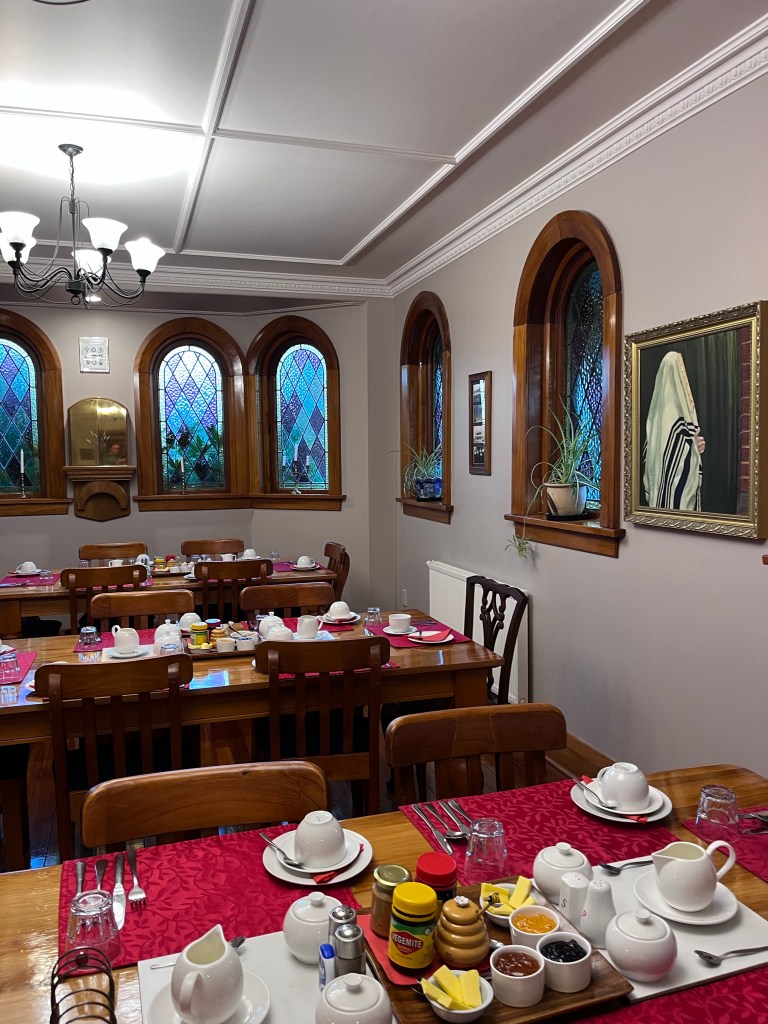
They had “Fiordland Bambi Sausages” (venison is big in New Zealand) which I thought could be “habit” forming but Robin would have “nun” of that.
Sorry.


 MacsTravel Blog
Leave a reply to Darren Cancel reply