
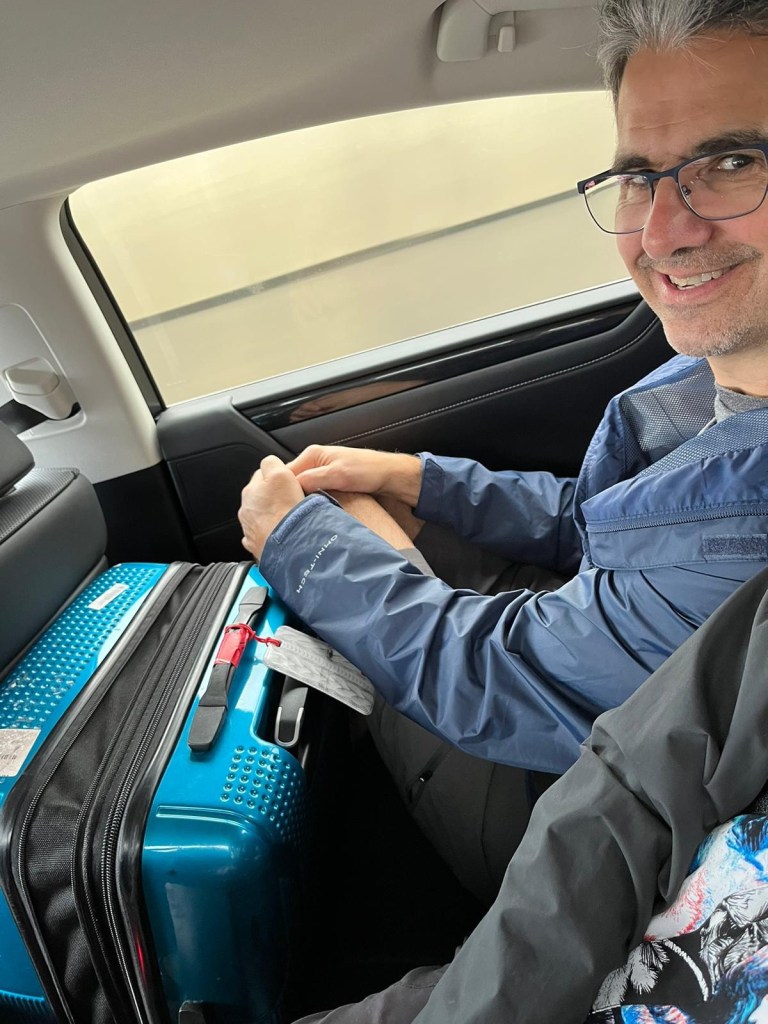
Our trip to Uluru from Melbourne did not get off to an auspicious start. We ordered a “maxi-taxi” to ferry the four of us and our mound of luggage to the airport. When our driver showed up in a sedan he explained the following:
1. There were no available “maxi-taxis”
2. He routinely jammed ten members of his family (6 adults and 4 children) and their belongings into a much smaller car in a India. This would be a picnic.
It was no picnic but we made it!
Uluru is located in the southwest corner of the Northern Territory. It was a three and a half hour flight from Melbourne and as we flew over increasingly spartan landscapes you could begin to see why the area is known as the Red Centre. The soil is Mars-red.
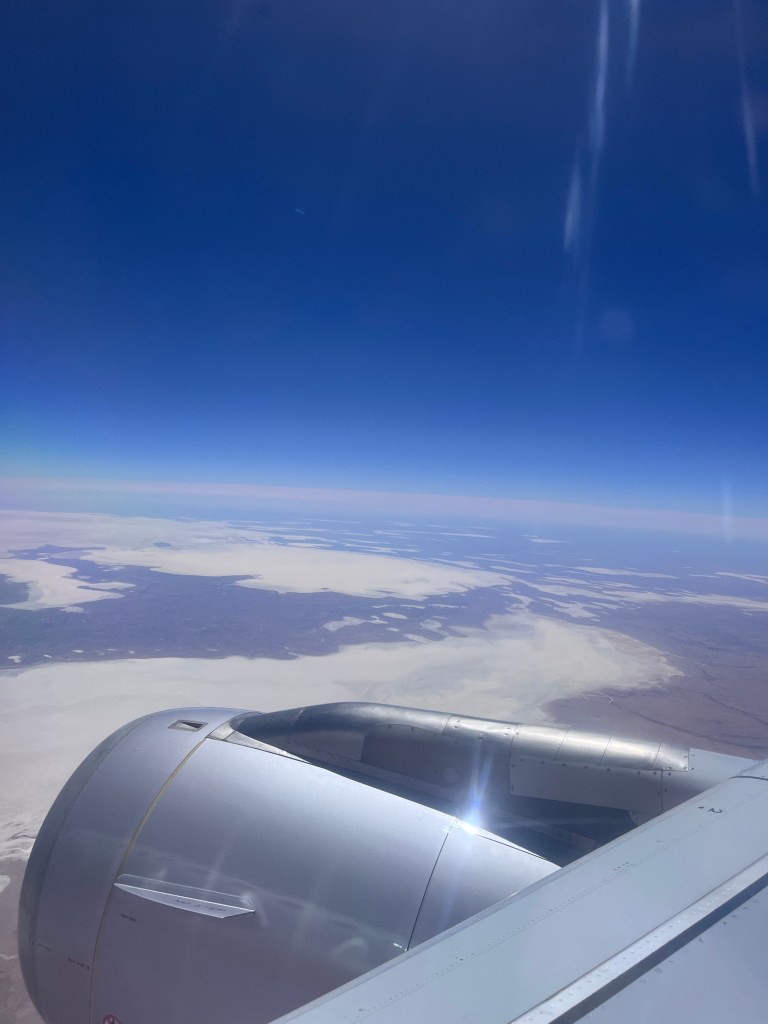
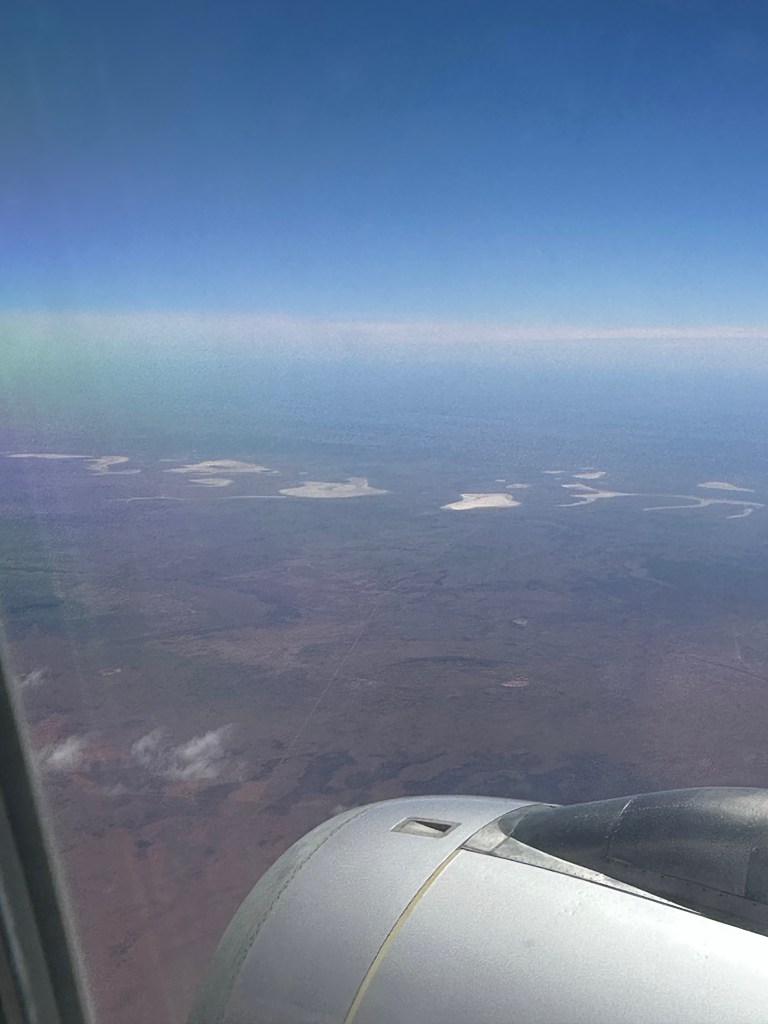
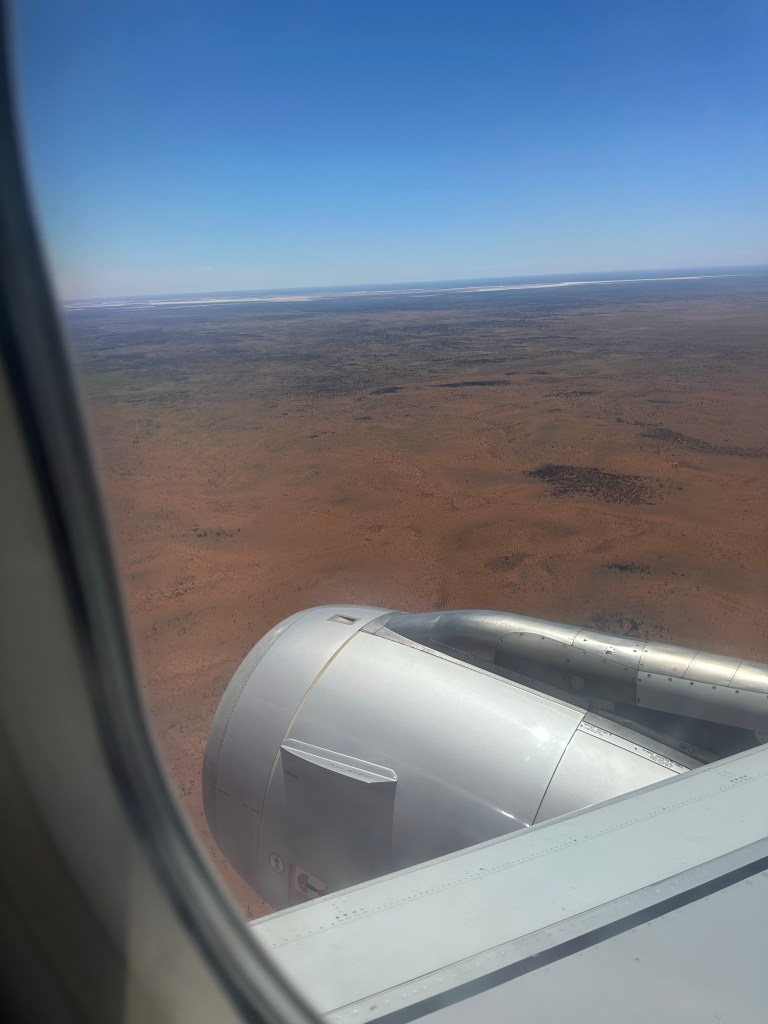
We landed at Ayers Rock Airport and took a quick shuttle to our hotel, Sails in the Desert, which like all hotels in the area is located on the property of the Ayers Rock Resort. We had engaged First Light Travel, the company that Robin and I were using in New Zealand, to help coordinate our itinerary and arrange bookings for this leg of the trip. They did a fantastic job.
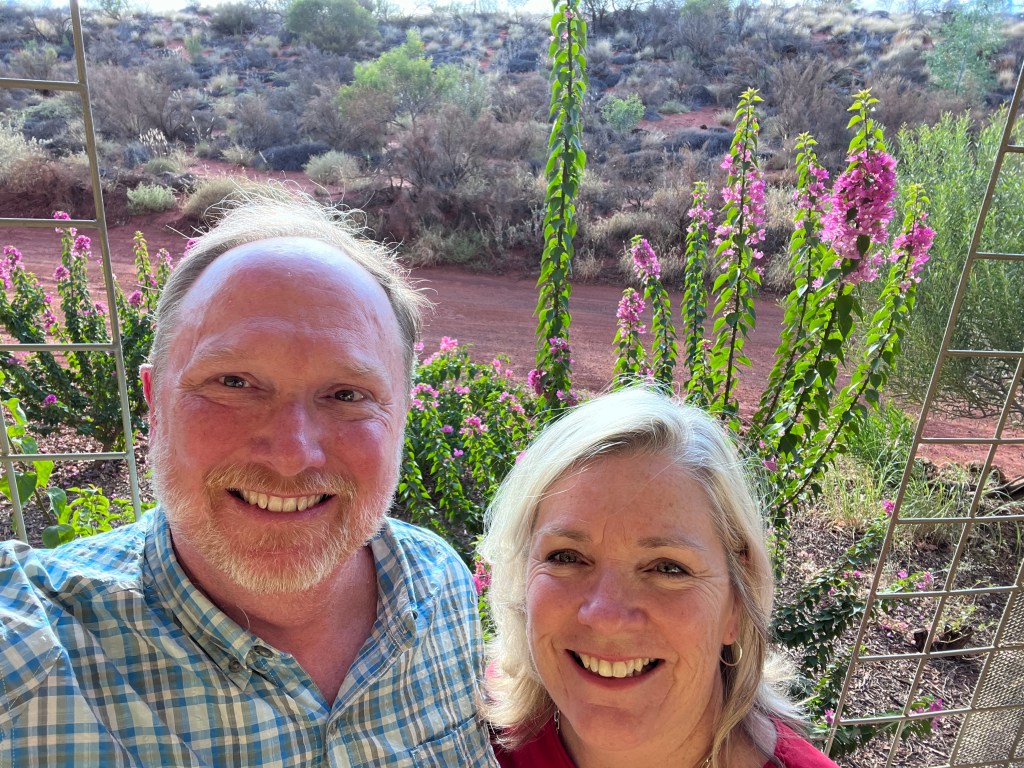
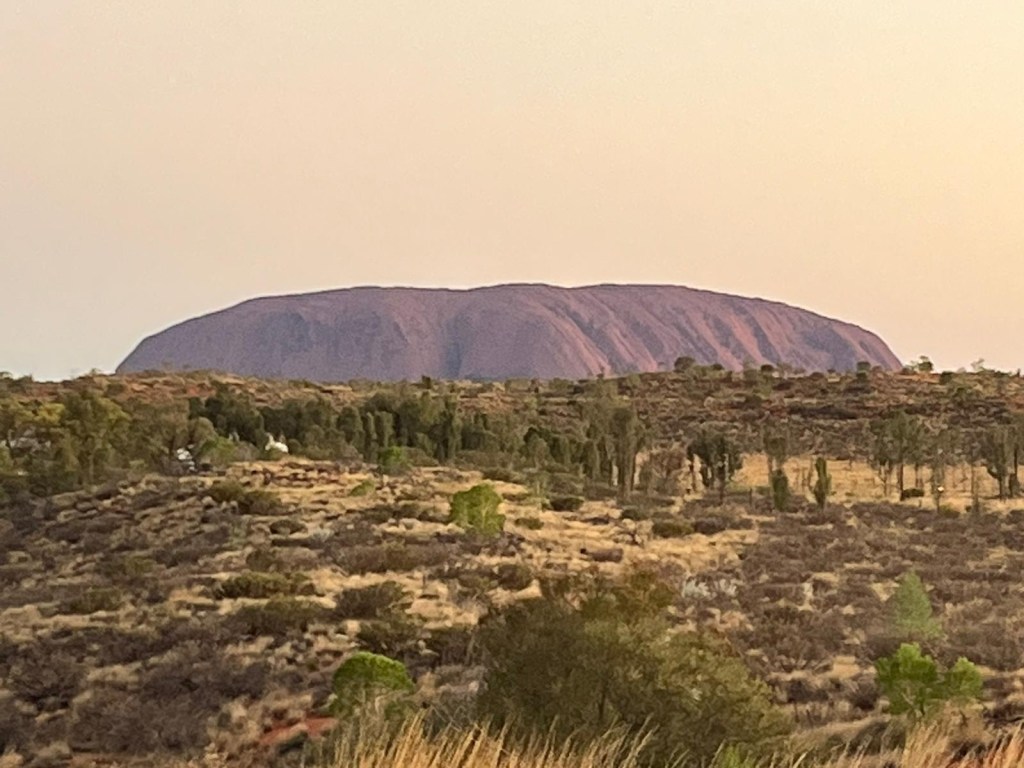
After a relatively quite afternoon and early dinner we wandered up a dune to a lookout to take in the sunset. The next morning was an early one.
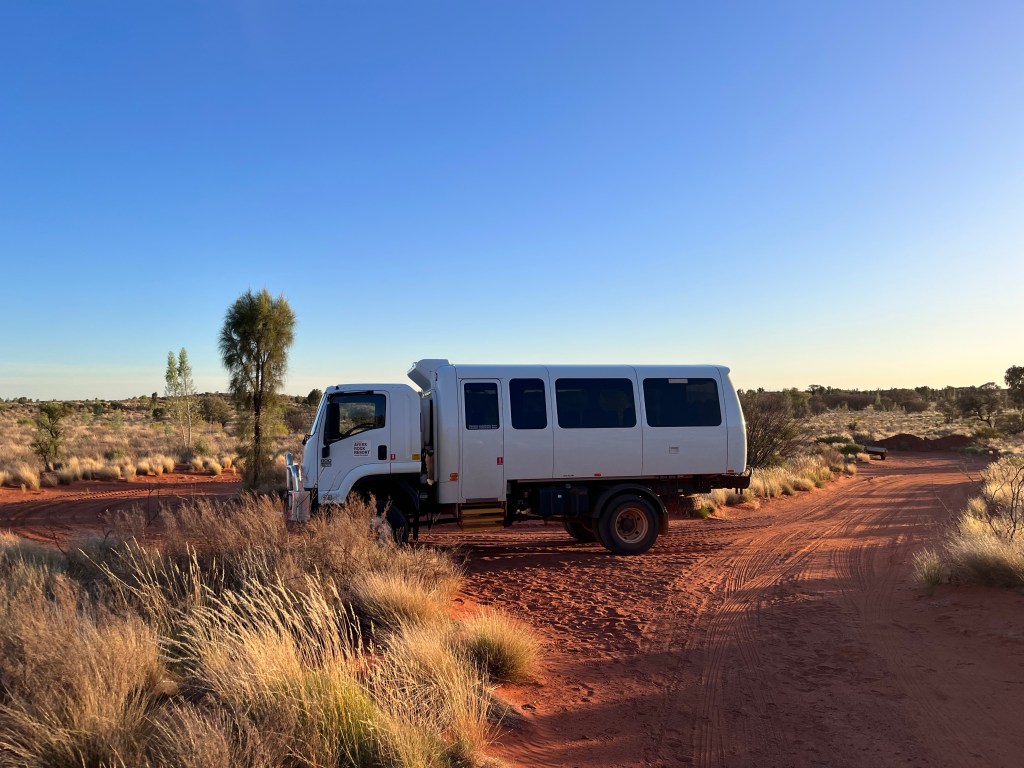
We had signed up for the Desert Awakenings Aboriginal Sunrise tour. When the alarm went off at 4:15 am this didn’t seem like a great idea. We joined a small group of 14 people on what appeared to be a bus designed for off-roading and headed off under a blanket of stars to a remote viewing platform in the desert.
We had been promised a light breakfast with tea at the site. Instead we were greeted by a chef who fortified us with bacon and egg sandwiches, baked goods, fruit and coffee as we waited contentedly for dawn to break on the horizon. As you can see from the photos, it was absolutely spectacular.
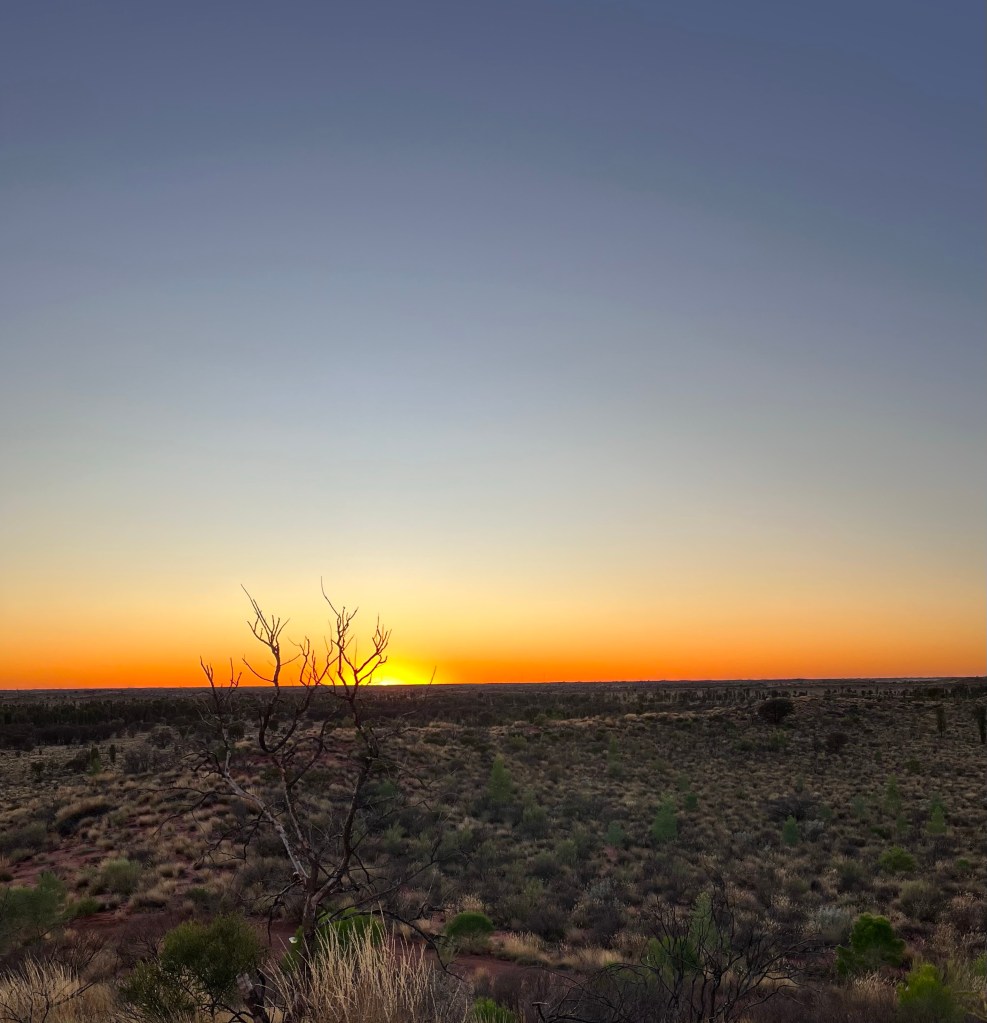
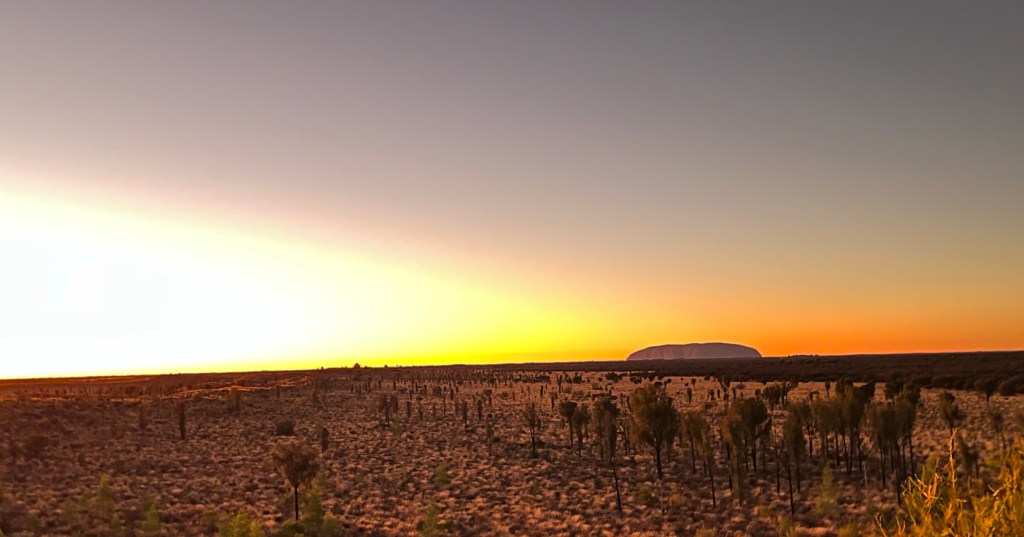

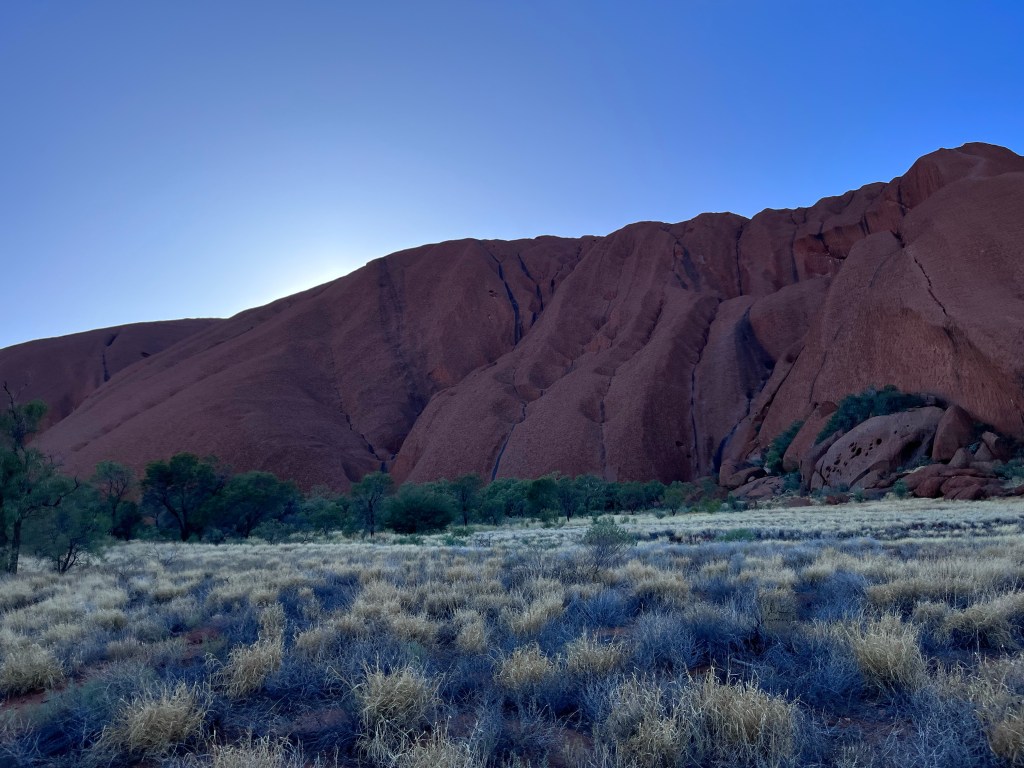
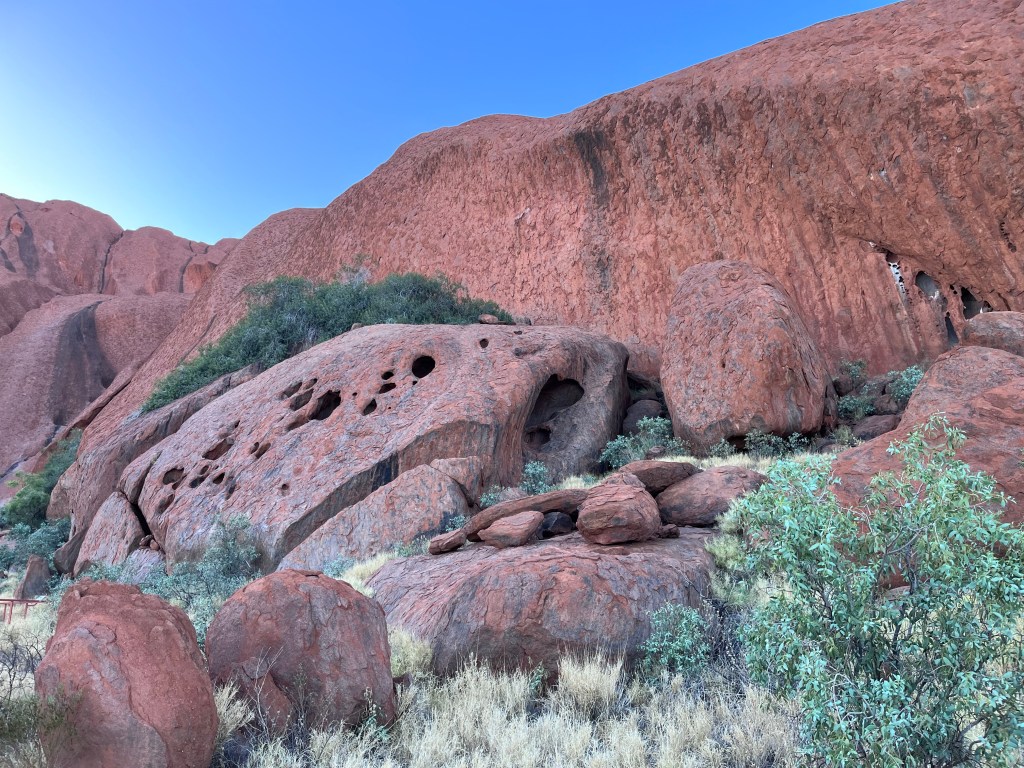
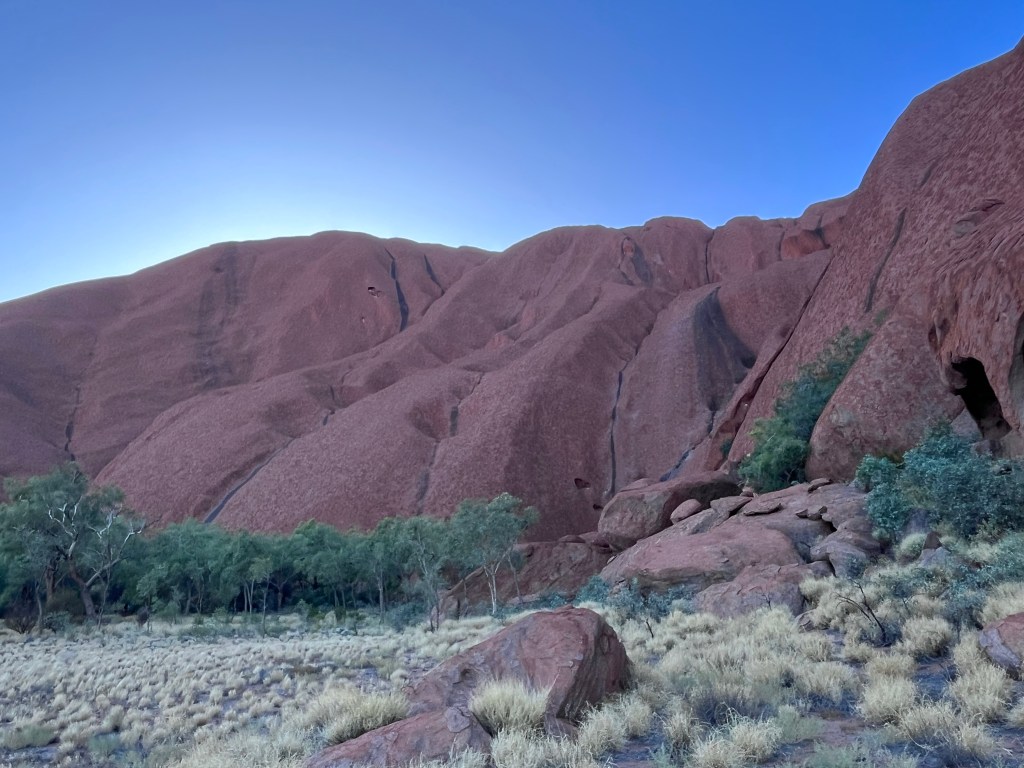
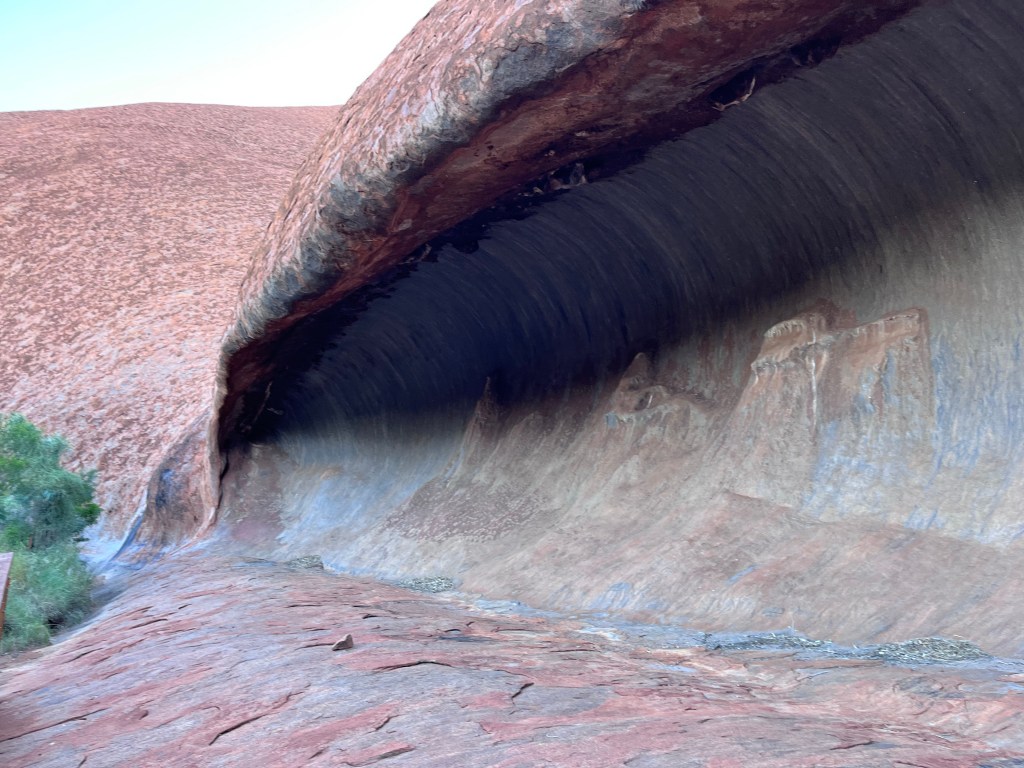
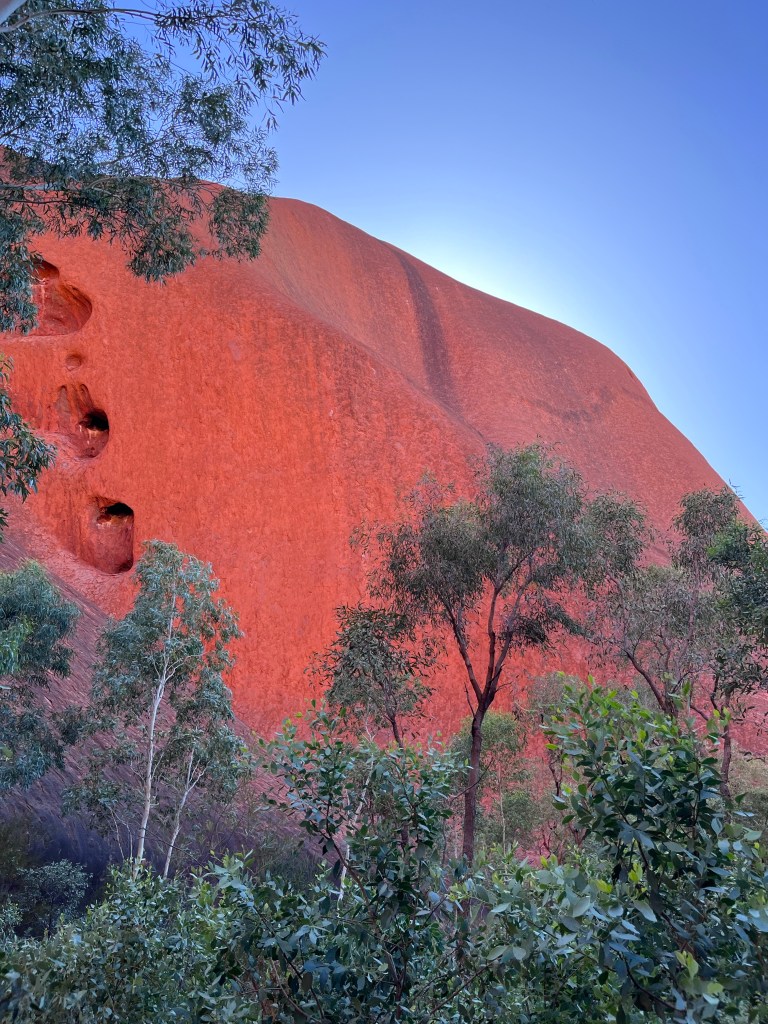
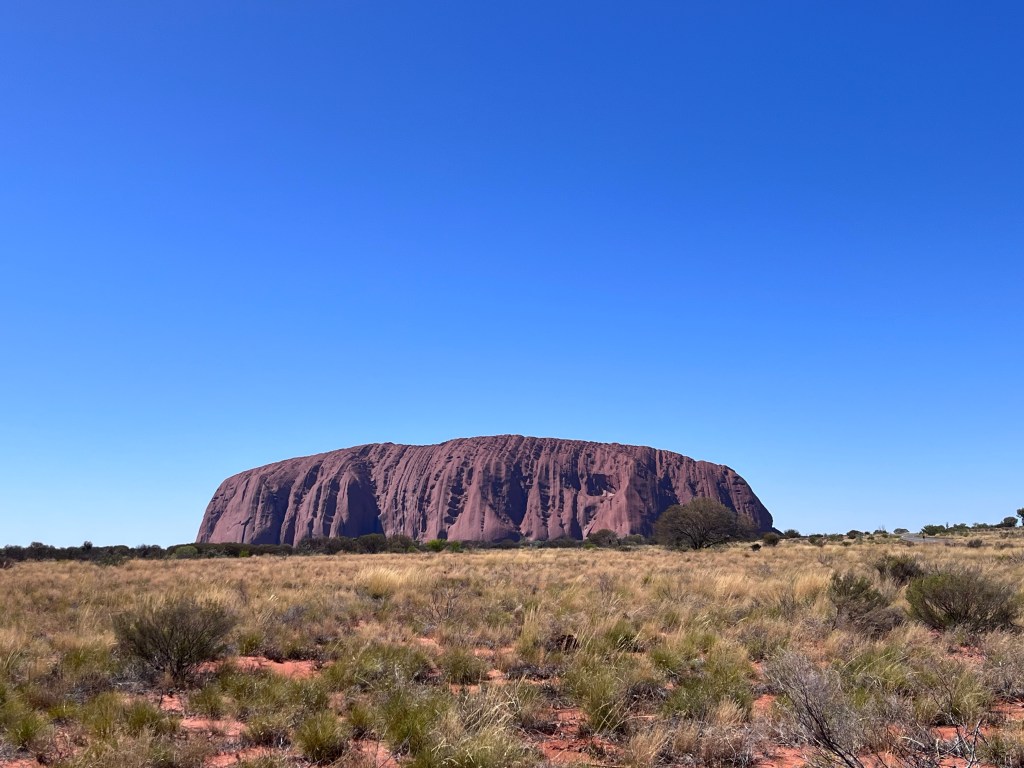
Uluru was formed several hundred million years ago along with its near neighbour Kata Tjuṯa. It is primarily sandstone and stands 350 meters in height, which is taller than any building in Australia. It goes about 6 km into the earth and has a circumference of 10 km. In short, it is massive.
What soon became apparent to the four of us is that the cultural significance of Uluru to the Anangu (literally “the people”) is equally monumental.
In 1985 the Anangu were handed back title deed to these lands which they then leased to the federal government for 99 years. They work with the Australian National Parks to jointly manage what is now Uluru-Kata Tjuta National Park, an area designated as a UNESCO World Heritage Site for both its cultural and natural significance.
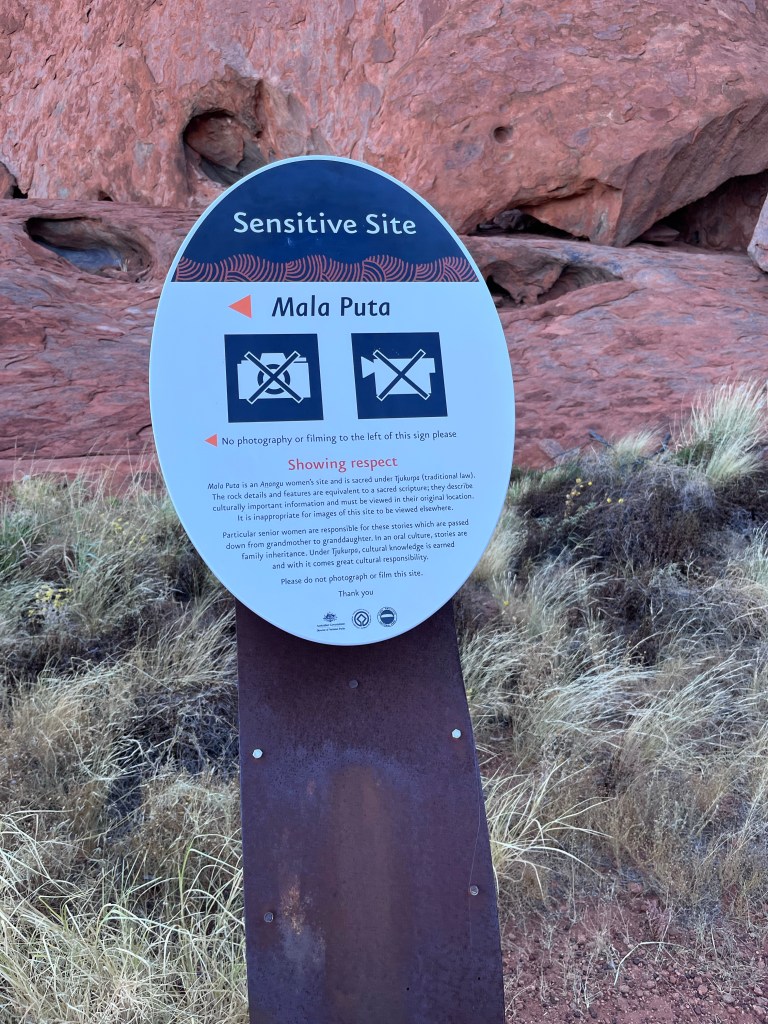
It is important to recognize the living significance of Uluru as a cultural site of great importance. This is sacred ground. When Ayers Rock first became a tourist destination about 70 years ago it became popular to try and climb the rock. Not only was this dangerous (over 40 deaths over the years) but it was also seen as disrespectful by the Anangu. It was only in 2019 that climbing was finally banned.
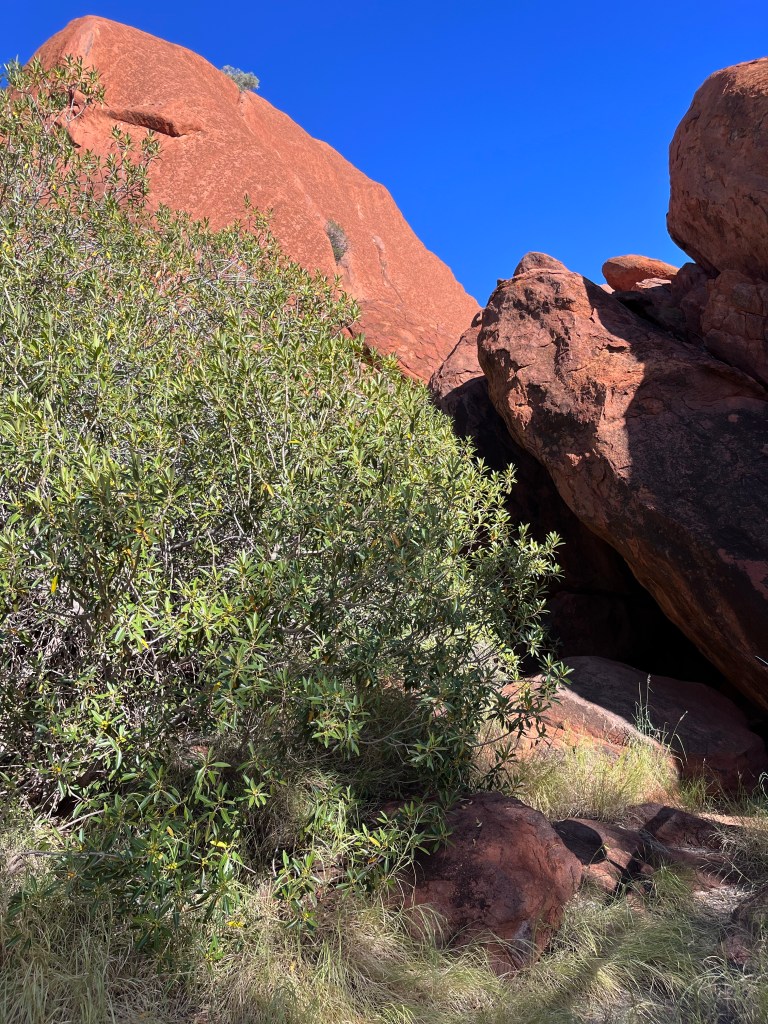
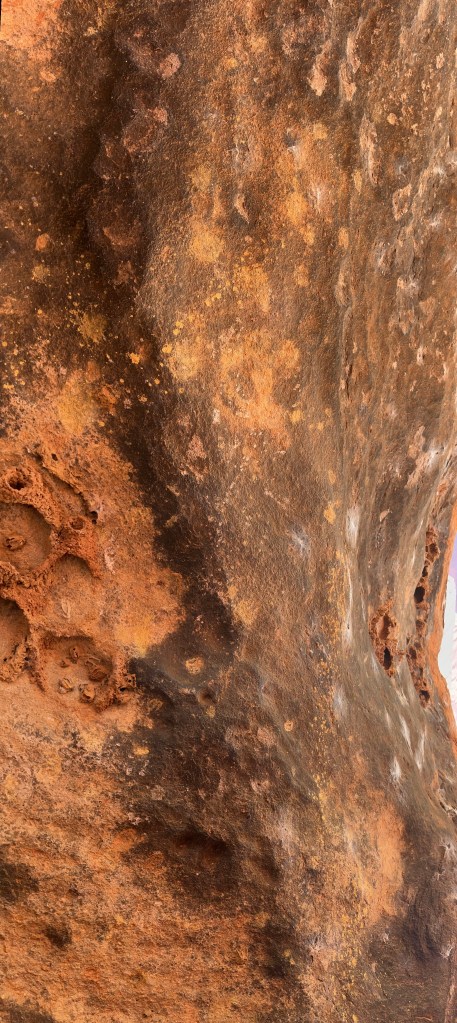
As you circumnavigate the rock you will occasionally see signs like this one indicating that a specific area is particularly sensitive culturally and that cameras are not to be used in the area that is indicated.
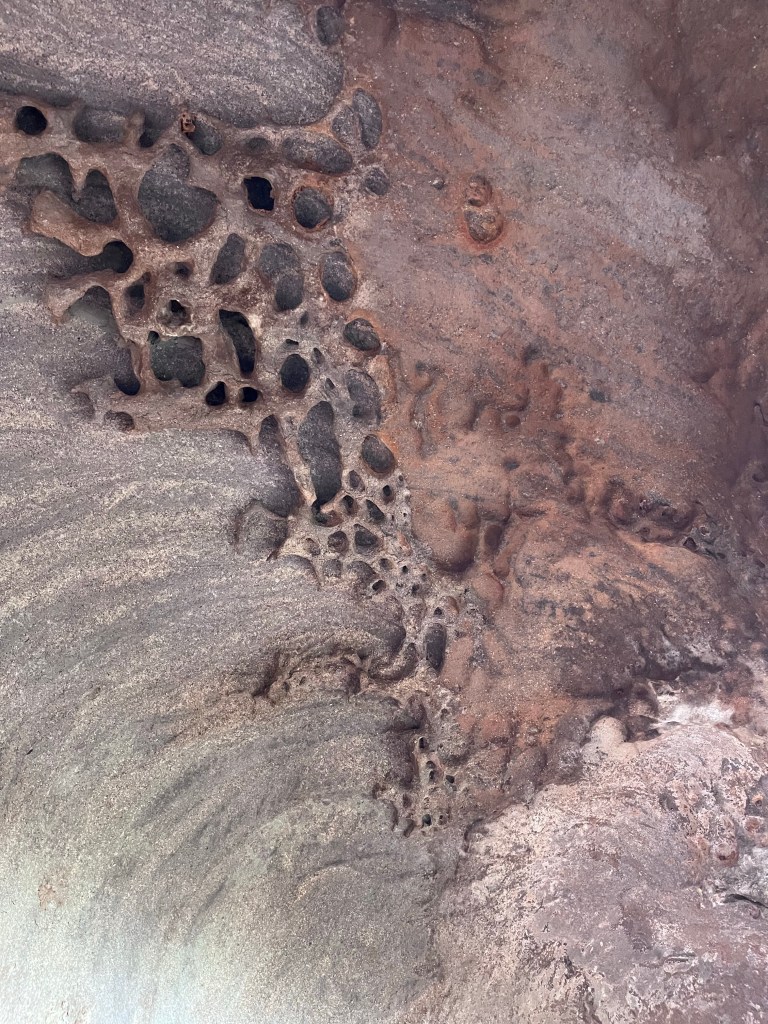
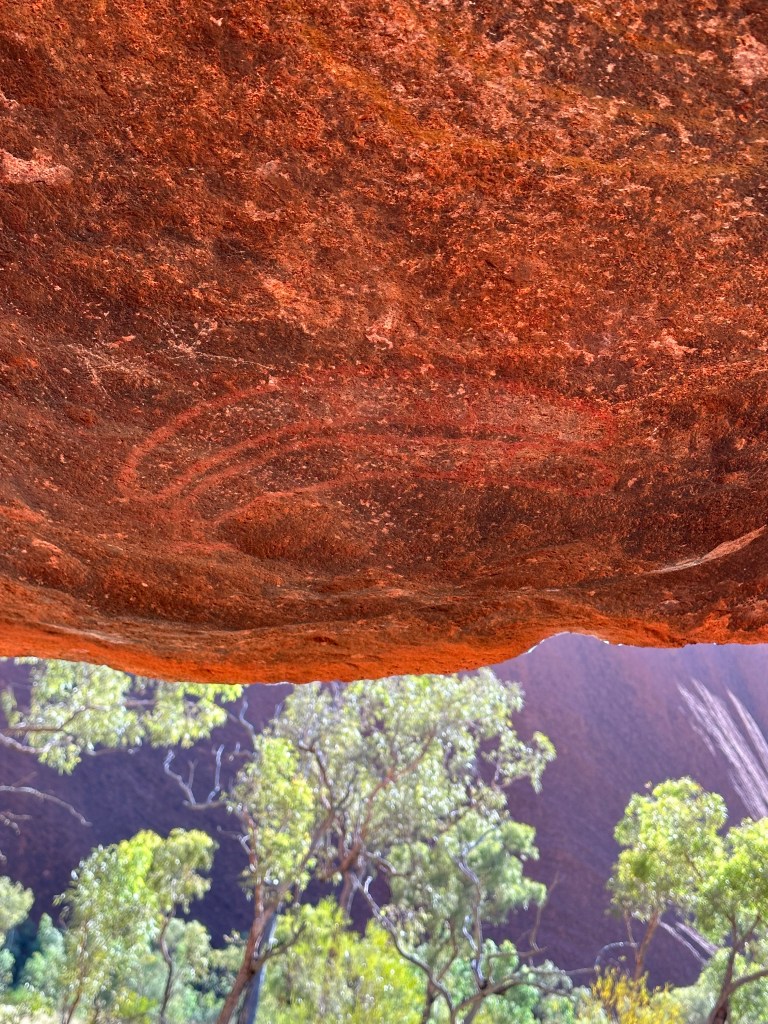
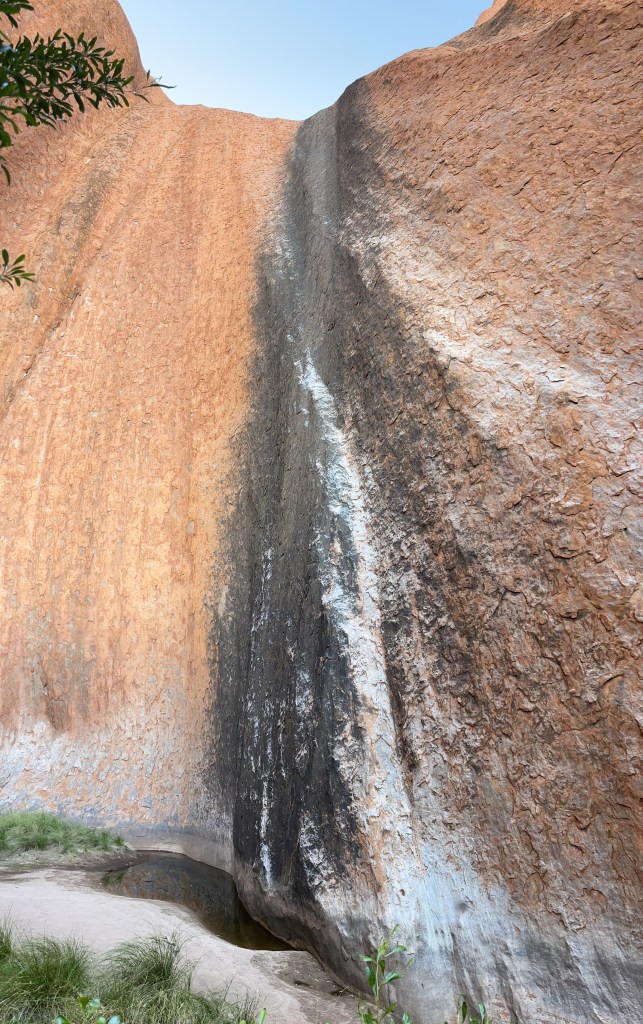
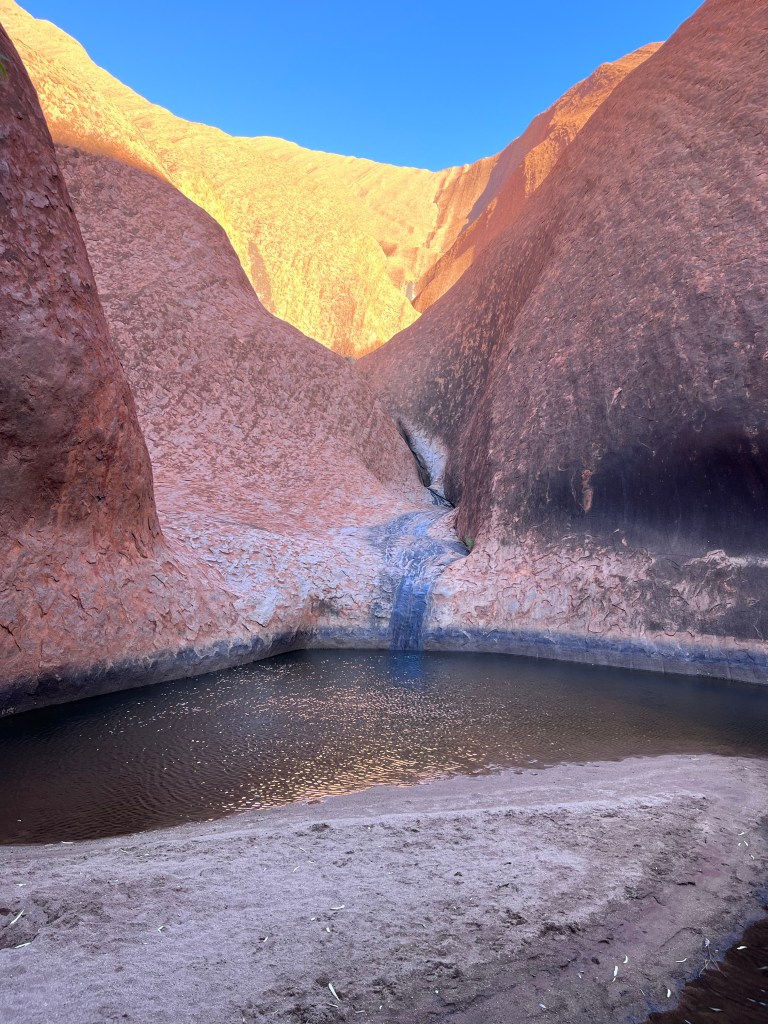
However are more than enough areas where it is appropriate to take photos that are absolutely spectacular in their own right.

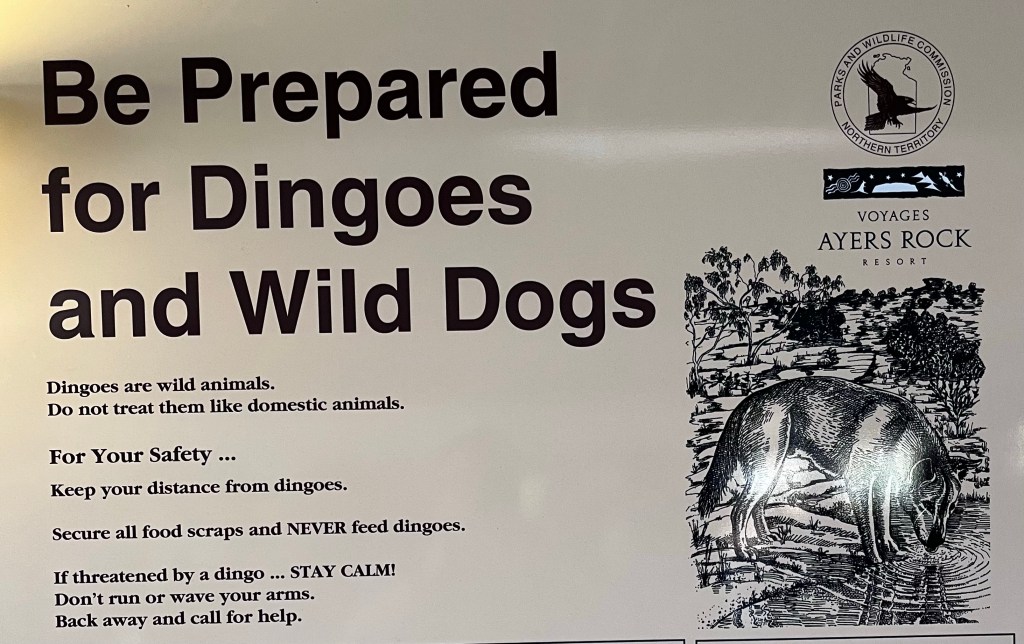
But first, an obligatory Aussie warning.
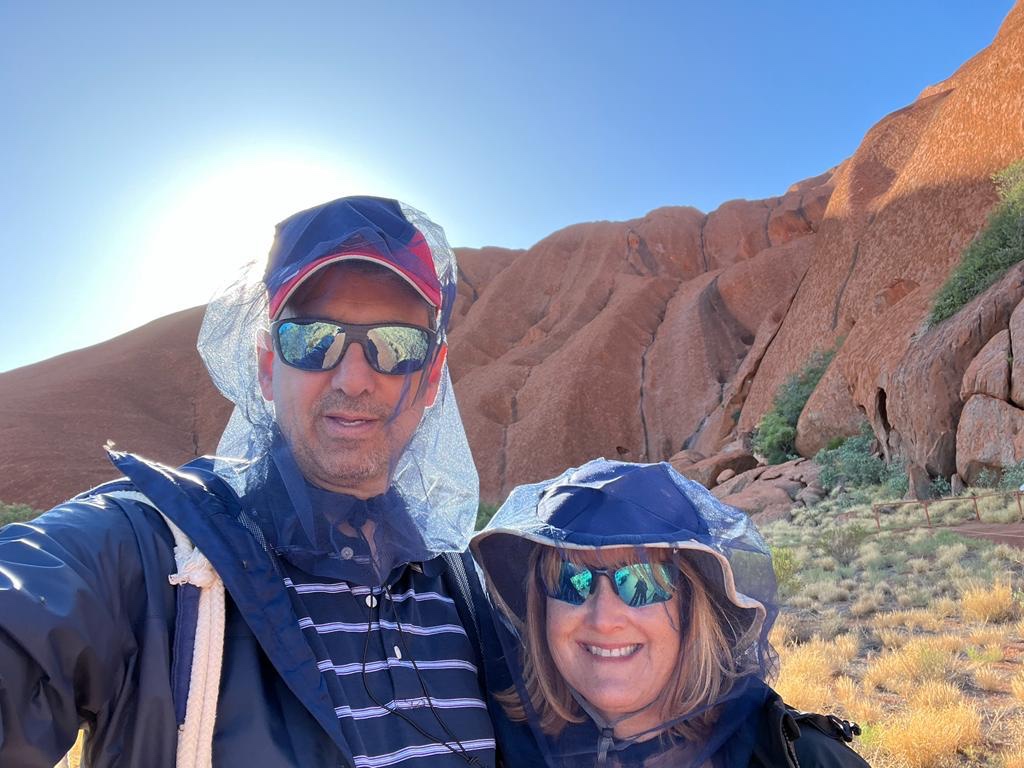
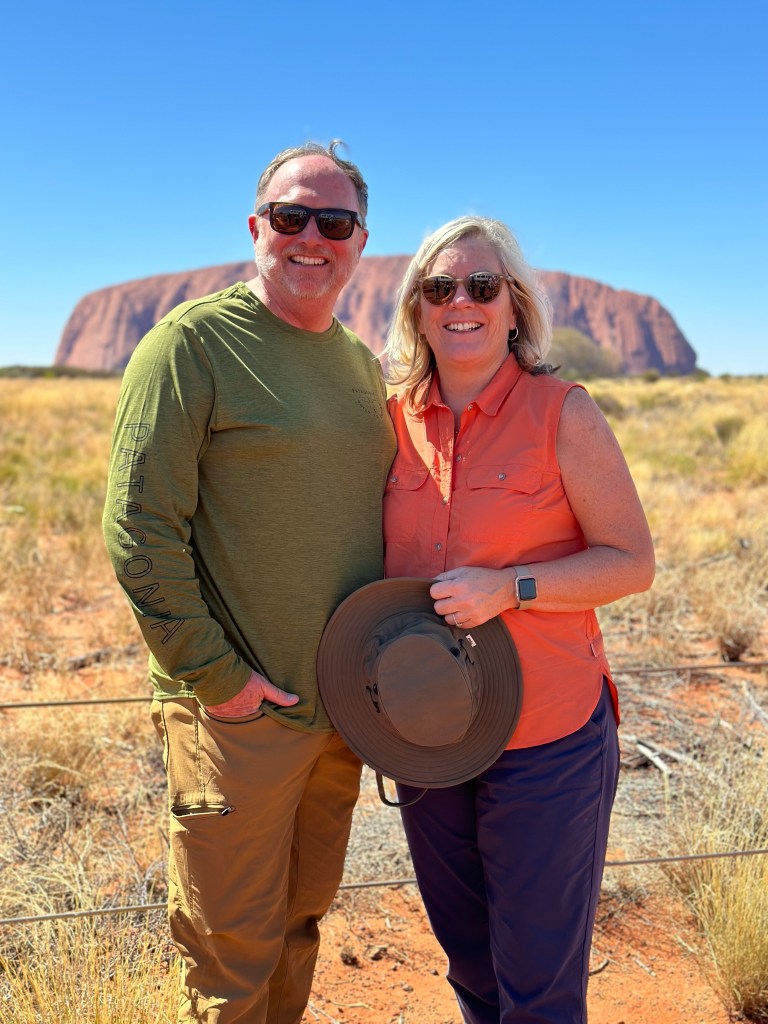
And some headgear fashion advice from Lisa and Pete. The flies (non biting but pesky) were something as the day warmed up and the wind died down!
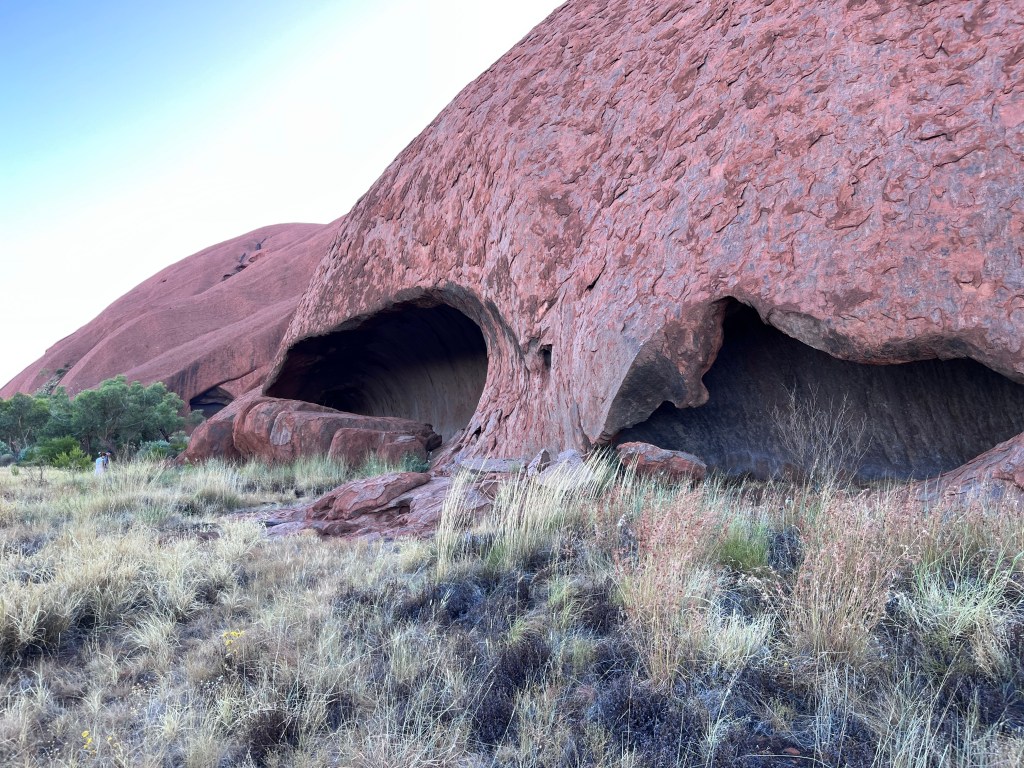
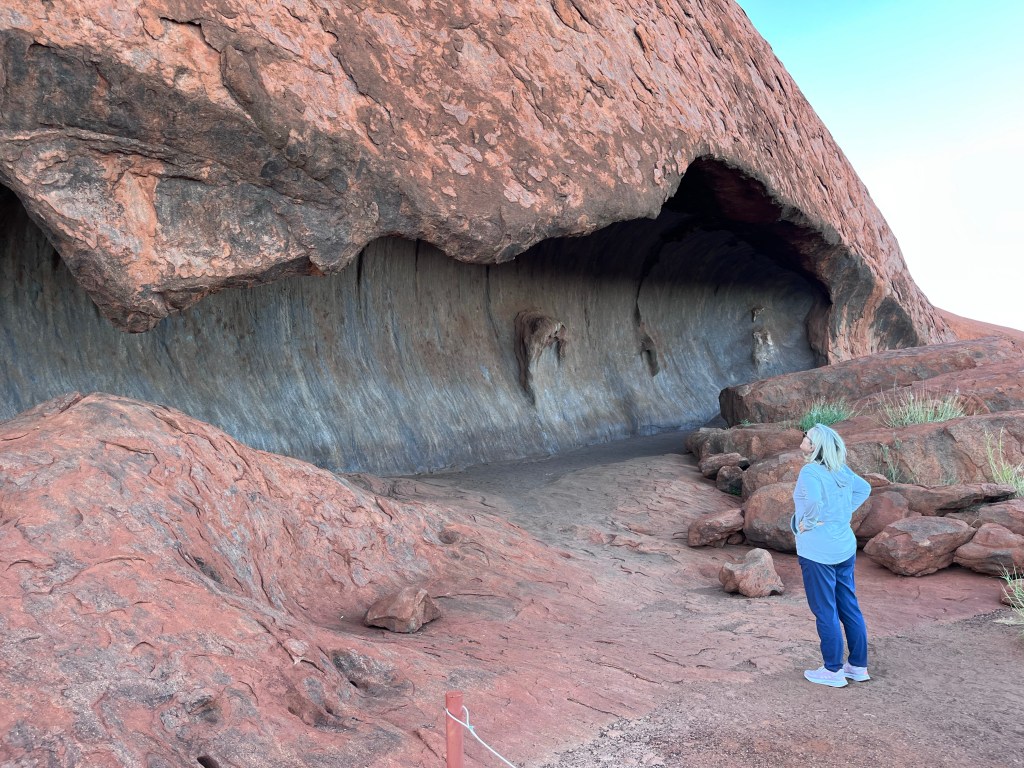
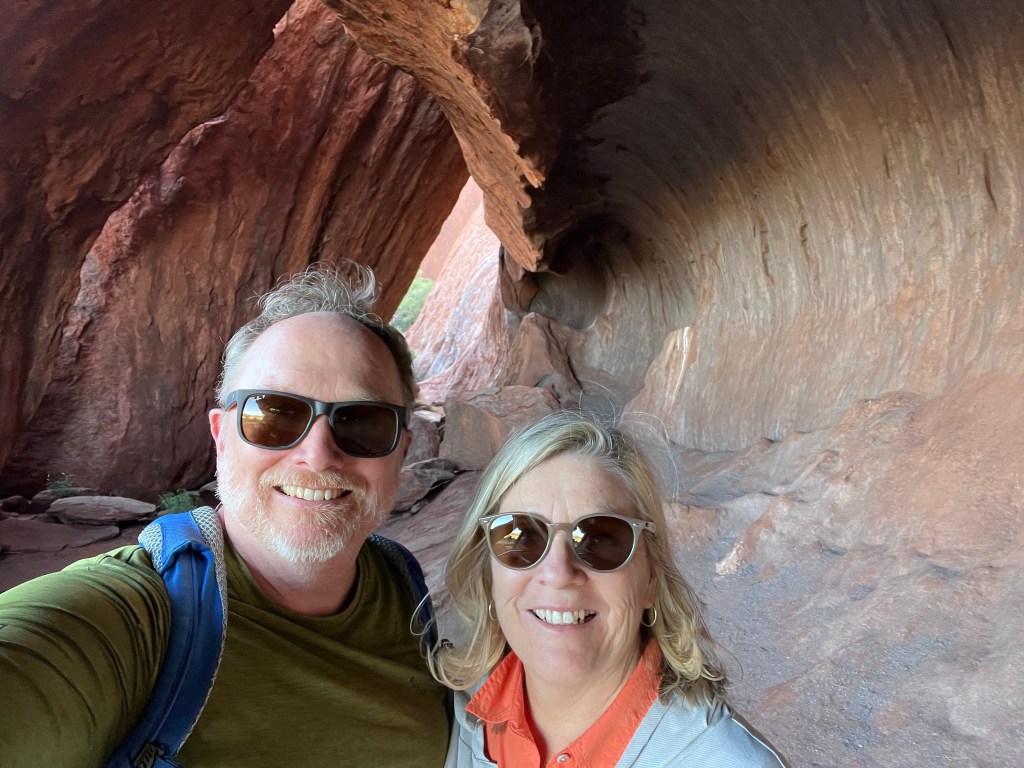
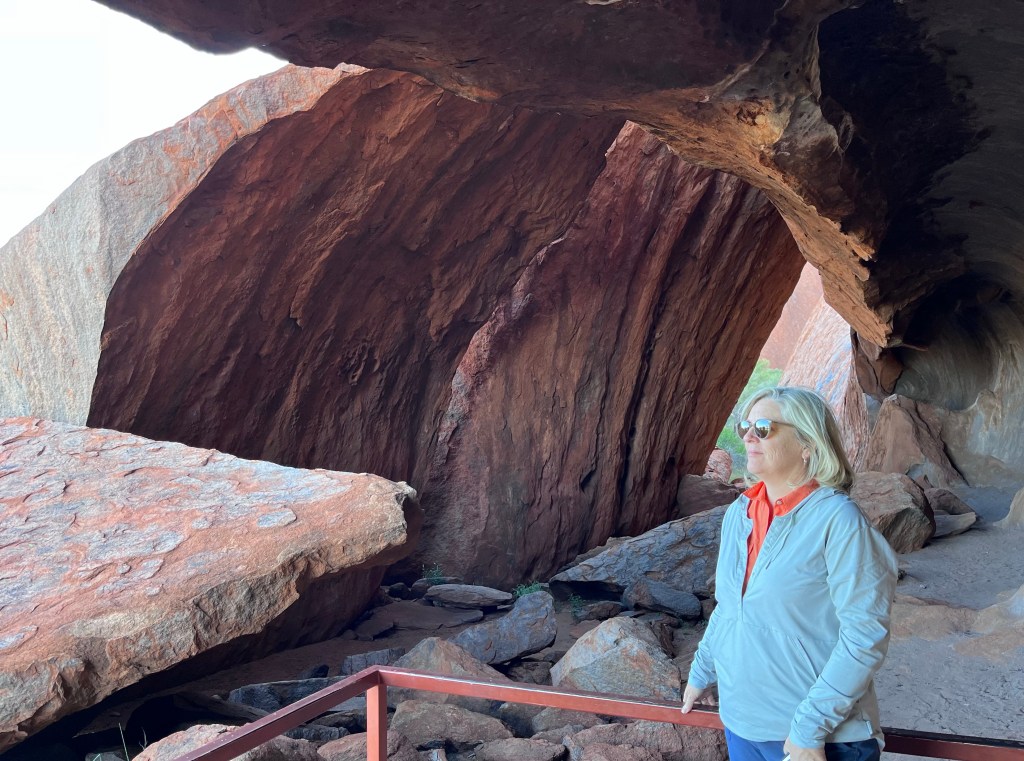

We still have a few more adventures ahead of us here in Ularu but I thought this experience merited its own post.
More to come.


 MacsTravel Blog
Leave a reply to Richmac Cancel reply