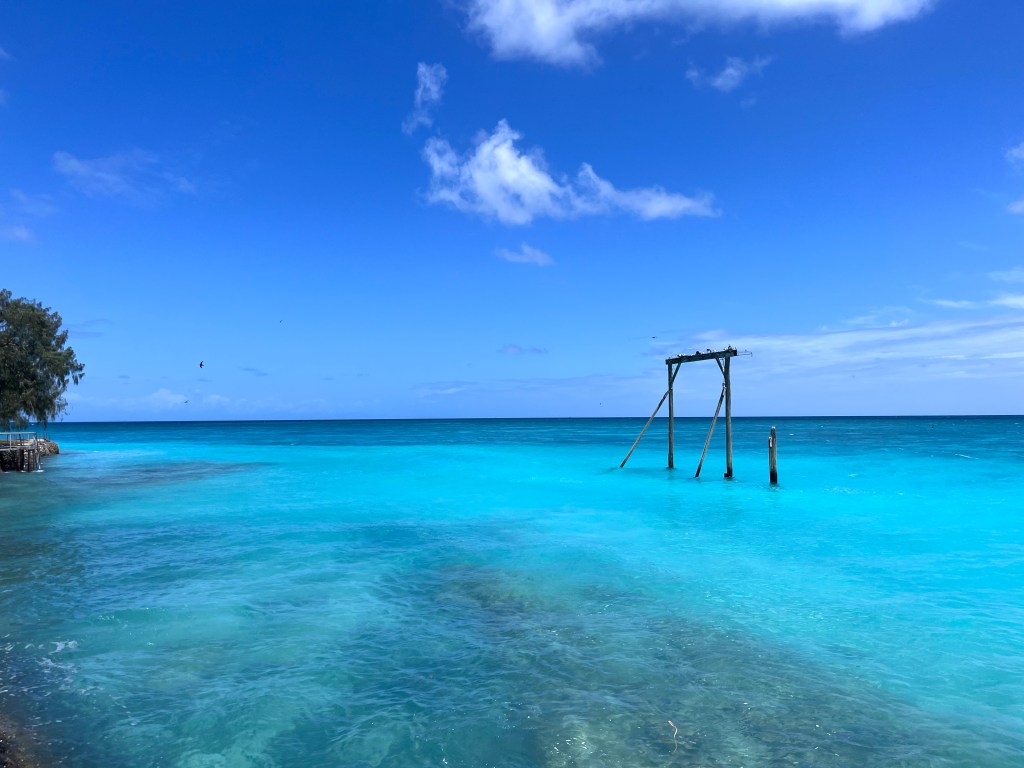
From the moment we started planning out our trip to Australia we knew that visiting the Great Barrier Reef would be one of our top priorities. Initially the options seemed overwhelming but thanks to the intrepid research team of Robin and Ian we settled on making Heron Island the base of our reef adventures.
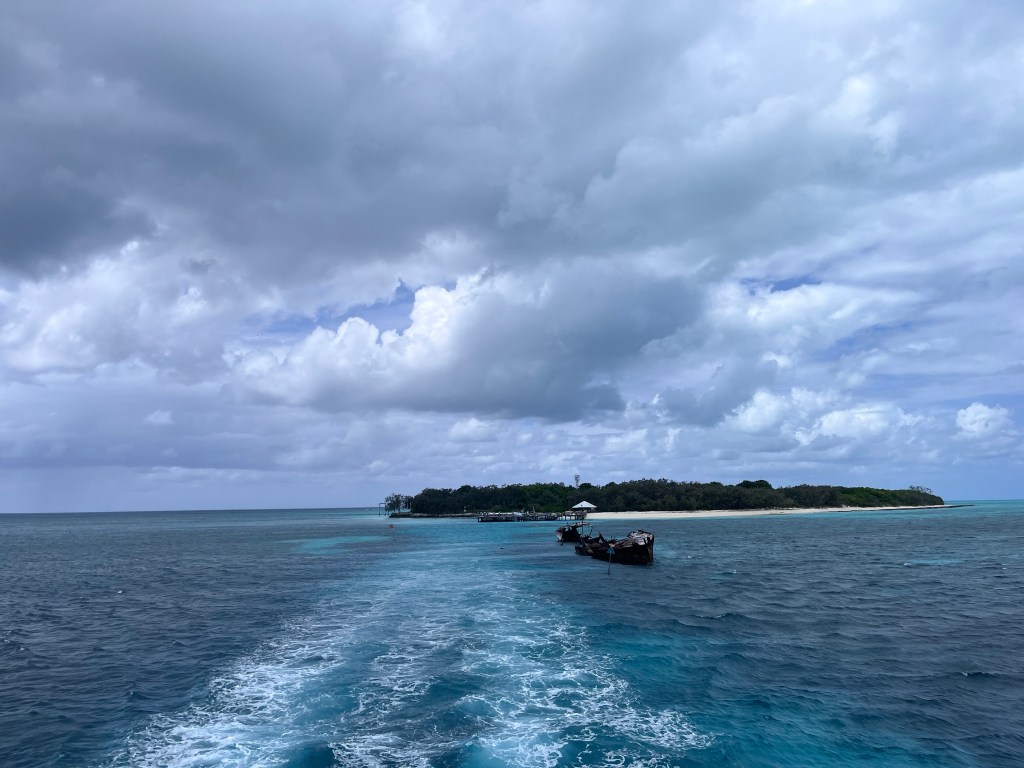
Heron Island is a coral cay about 80km off the coast via Gladstone. One hundred years ago it was a turtle cannery (yikes!): today it is an eco-resort within a national park. There is also a University of Queensland turtle research station. The trip from Gladstone takes about two hours aboard a hi-speed catamaran- on a calm day, like our departure day, the trip is a pleasure. Our return trip was sponsored by Gravol.
Above you can see the channel approach to Heron Island with the 1943 wreck of the HMS Protector alongside, a popular snorkel site on the island.
The island is absolutely idyllic with a maximum capacity of about 140 guests.
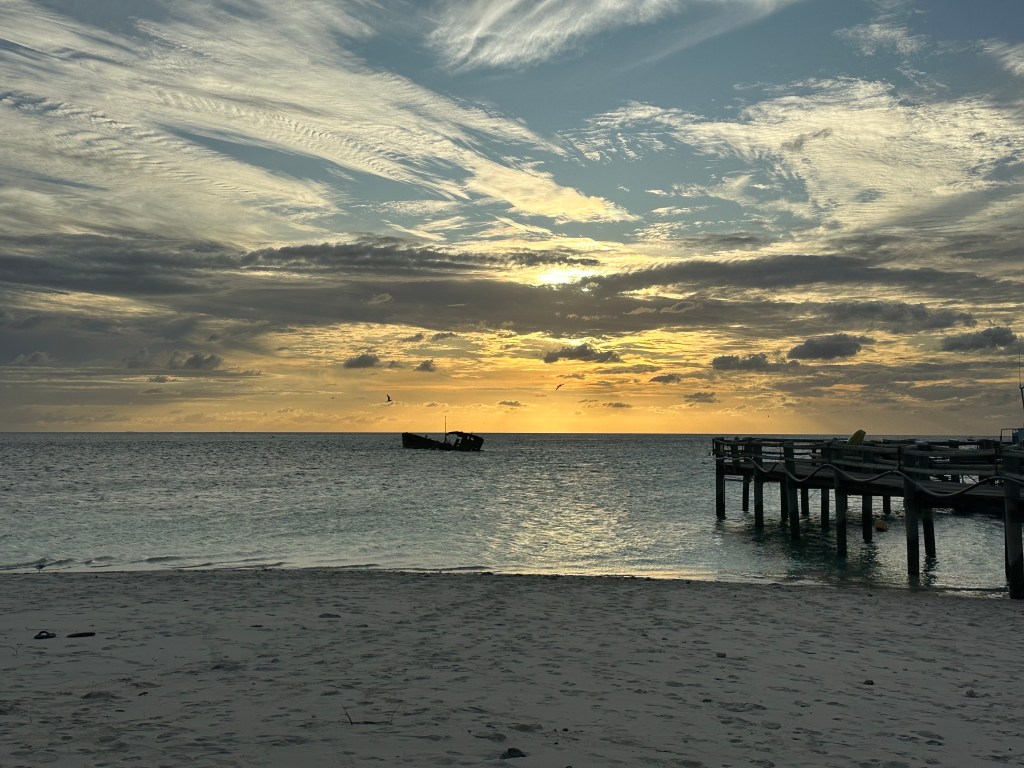

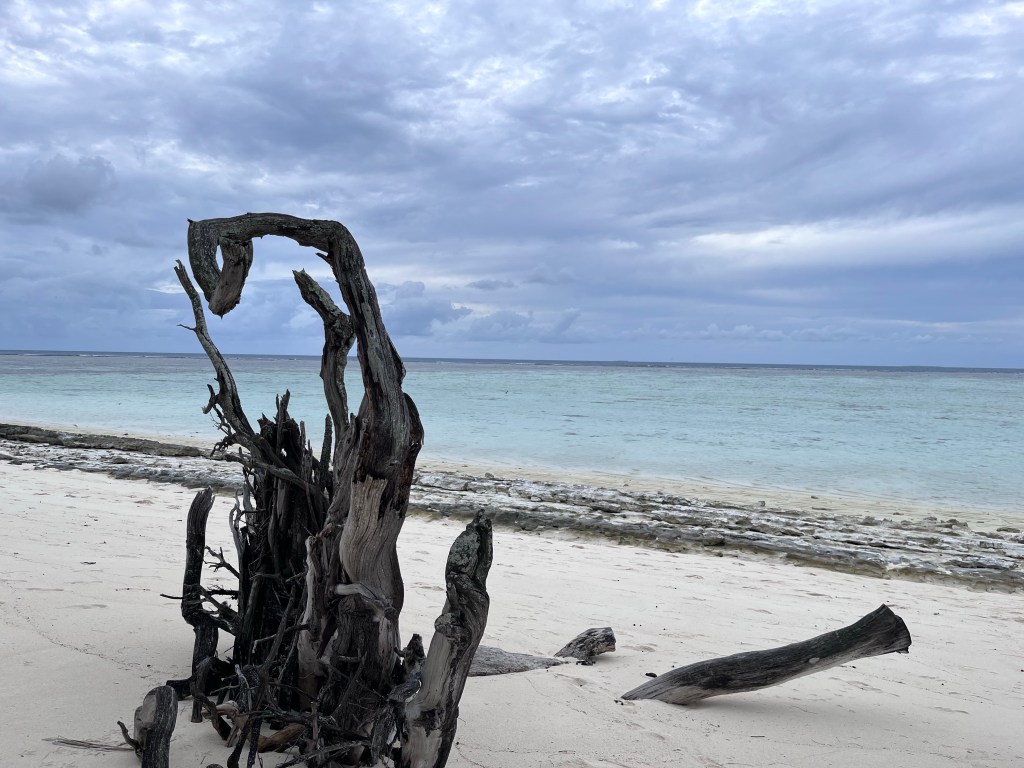

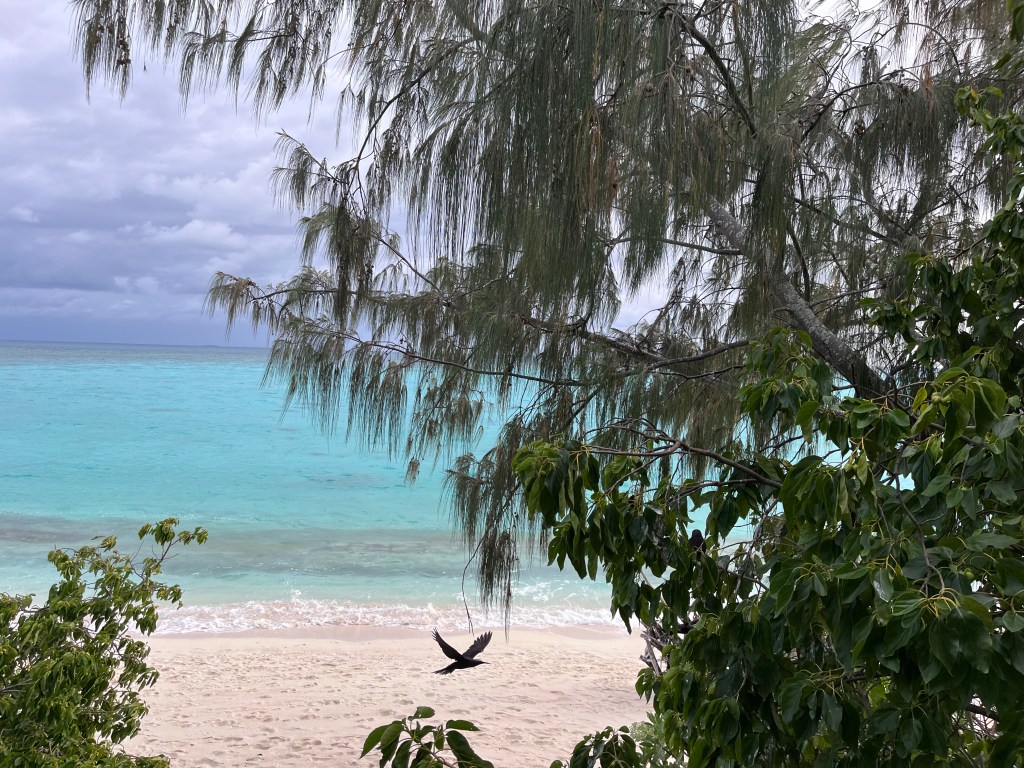
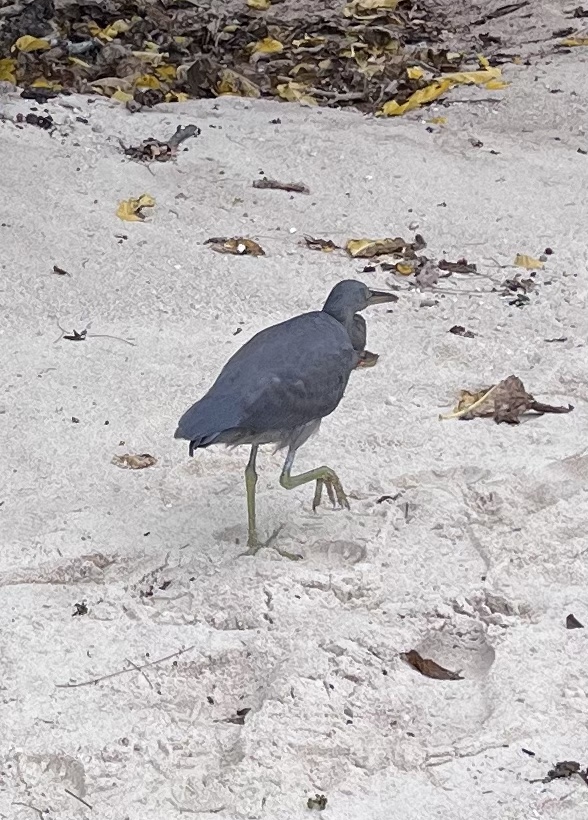
Heron Island, as the astute follower of this blog might suspect, is named for the herons that frequent the island.
There is no Heron Island without birds. Literally. This island is a coral cay that only started forming about 6000 years old. The sand is made up of ground coral shells and other marine life; even now there is little biodiversity. There are only about twelve species of plants on the island. The small forest at its centre is filled to the brim with nesting terns and shearwater. Trees are rooted in soil that itself exists only because of the bird guano that has accumulated over thousands of years.
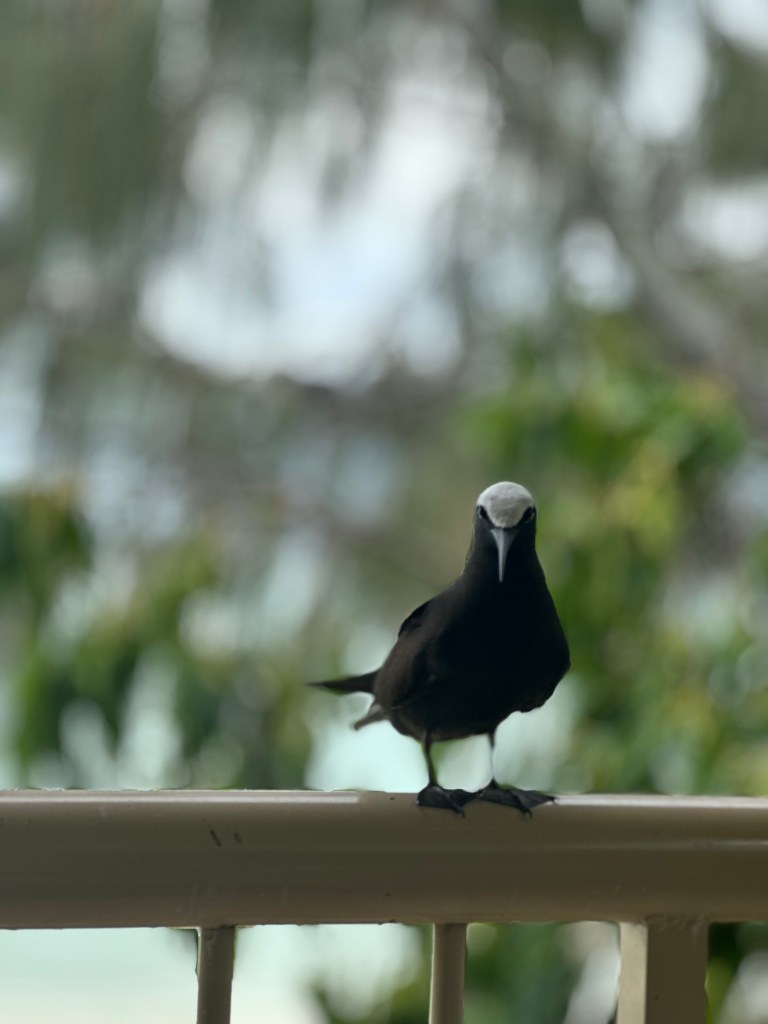
While herons are a visible presence on the shore, at this time of year the nesting noddy terns take over. Their decidedly non musical chittering and gargling is the soundtrack of the island as mother terns mind the nests while father terns collect building materials from the forest floor and beaches and scour the reef for sustenance. They are a big part of the 100,000 plus birds that visit the island in January and February.
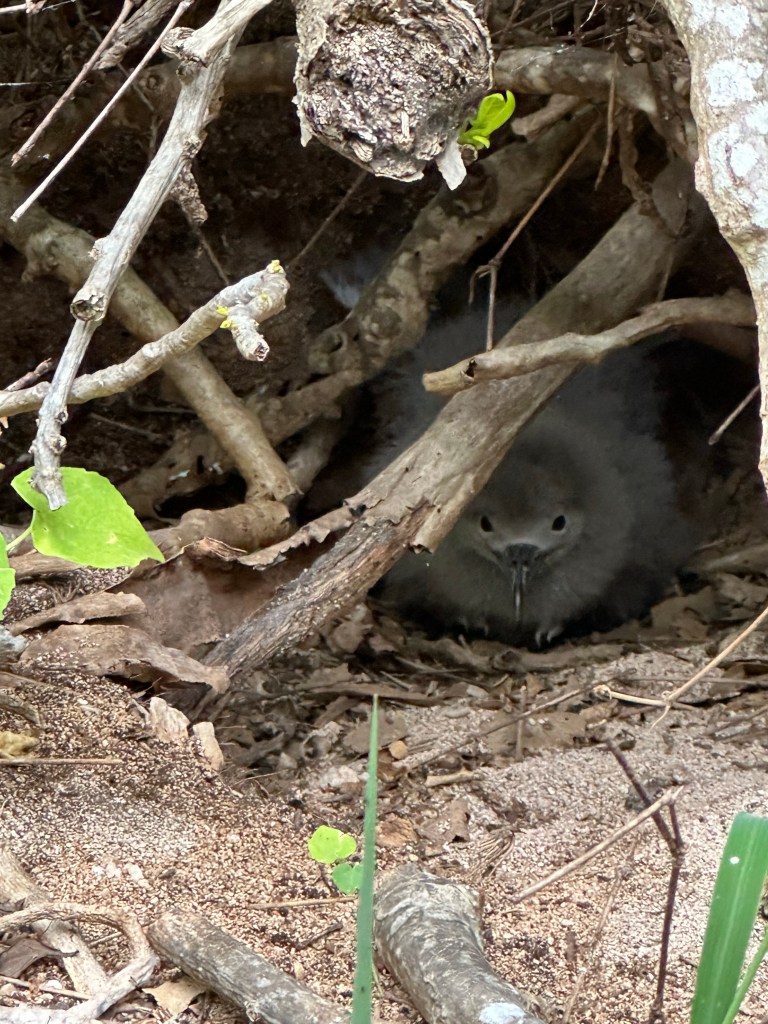
In contrast to the burrowing shearwaters, however, the noddy terns are positively melodic. These burrowing birds (they build their nests up to two meters into the ground) are relatively silent during the day but at night their courtship cries and marital disagreements sound like a group of whining first graders. We resorted to white noise from the bedroom fan on high to drown out the chorus of bird “song” at night. However their chicks are charming as they peak out of the nests in the island forests.


 MacsTravel Blog
Leave a reply to James Cancel reply